LOADING BREAKS...
← Back to Artists

Hip-HopElectroDisco RapTurntablismOld School RapUSA1970s-present
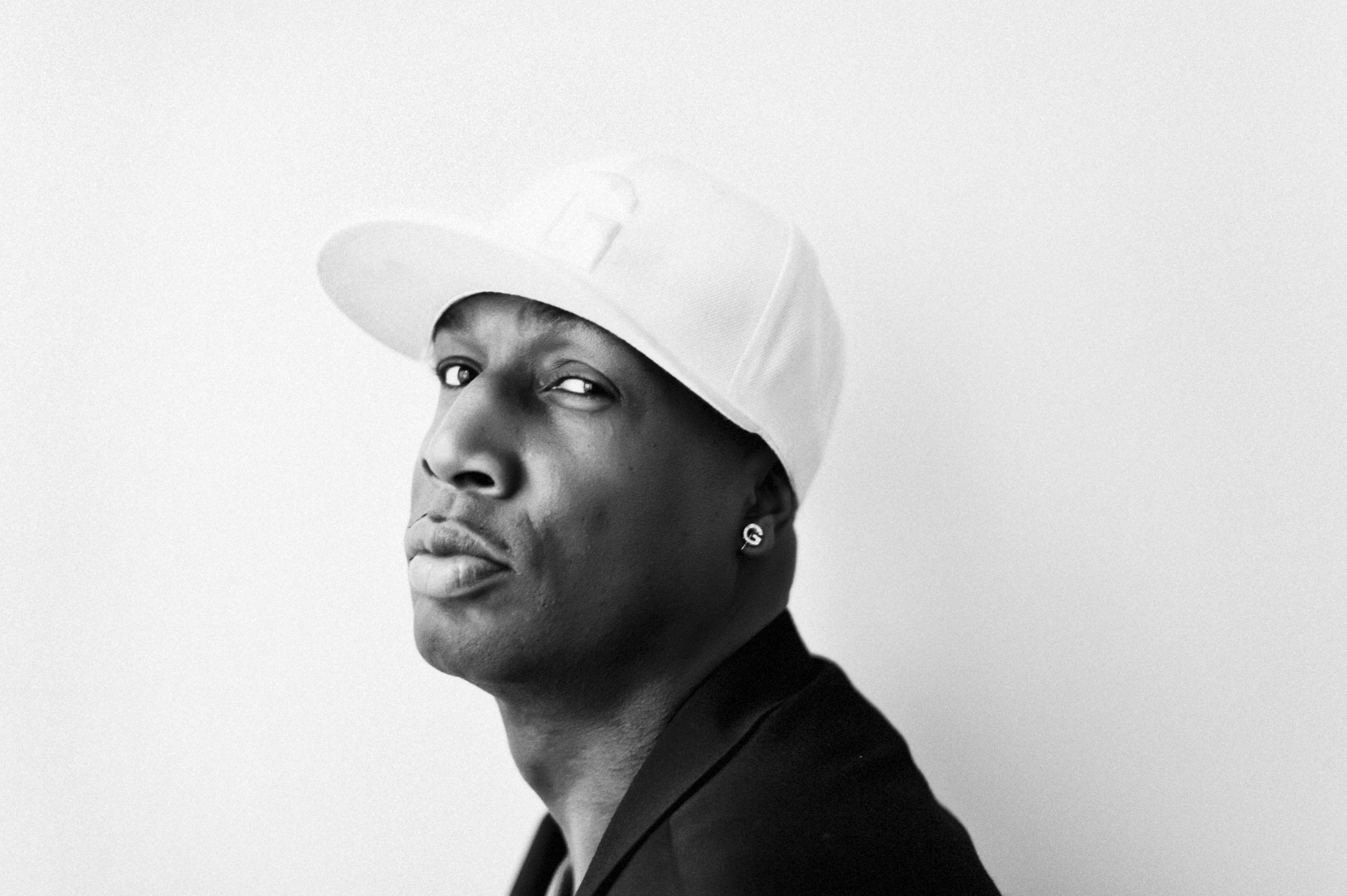
Grandmaster Flash is one of the foundational figures in hip-hop culture and one of the DJs most directly associated with the technical development of turntablism. Emerging from the Bronx in the formative years of hip-hop, he helped define the role of the DJ not simply as a selector but as a performer, arranger and rhythmic architect.
Born Joseph Robert Saddler, he was born in Barbados and raised in the South Bronx, a setting central to the emergence of block-party culture in 1970s New York. That local environment, shaped by sound-system logic, community recreation spaces and fierce DJ competition, provided the context in which his methods took shape.
Flash became known for a highly disciplined, mechanics-driven approach to records and mixers. He studied the physical behavior of vinyl, the timing of breaks and the possibilities of cueing with precision, developing techniques that became part of the basic language of DJing. He is especially associated with the Quick Mix theory, a method built around extending and recombining the most percussive sections of records.
In practical terms, that approach helped formalize what break-based DJing could be. By isolating and repeating drum passages for dancers, he contributed to the logic that later fed not only hip-hop performance but also wider breakbeat culture. His work belongs to a pre-digital era in which technical innovation came directly from manipulating hardware in real time.
His name is inseparable from Grandmaster Flash and the Furious Five, the group through which his influence reached a mass audience. Alongside Melle Mel, Kidd Creole, Keef Cowboy, Mr. Ness/Scorpio and Rahiem, he helped shape one of the key formations of early rap, linking DJ technique, MC routines and street reportage in a way that became historically decisive.
The group's recordings for Sugar Hill brought that energy from the park and club circuit into the recording industry. While early rap records often struggled to capture the full force of live DJ culture, these releases helped establish a durable bridge between Bronx performance practice and commercial recording.
Among the most important titles associated with that period are "The Adventures of Grandmaster Flash on the Wheels of Steel" and "The Message." The former remains a landmark in recorded DJ technique, translating live turntable manipulation into a record format with unusual clarity. The latter, though often discussed primarily through its vocal performance and social commentary, is inseparable from the broader Grandmaster Flash and the Furious Five legacy.
"The Message" in particular marked a turning point in rap's public language. Its stark urban realism expanded the thematic possibilities of the form and helped move hip-hop beyond party narration toward social observation. Even where authorship debates and group dynamics complicate the story, Flash's name remains central to the record's historical framing.
After the first peak of the Furious Five era, he continued recording under his own name and remained active as a performer. His later solo work did not eclipse the impact of his foundational period, but it reinforced his visibility during the 1980s as hip-hop diversified into electro, pop-rap and other hybrid forms.
Beyond records, his long-term importance rests on DJ methodology. Flash is regularly cited in discussions of cueing, backspinning, punch phrasing and the extension of break sections, not as an isolated inventor of every later technique, but as one of the clearest early system-builders in the culture. His work helped establish the DJ as a musician with a distinct craft vocabulary.
That legacy also reaches far beyond rap's first generation. Any later scene built around the manipulation of breaks, from electro and Miami bass to jungle, hardcore and modern breakbeat, exists in part within a performance logic that pioneers like Flash helped codify. His contribution is therefore not only historical but structural.
He has remained a visible ambassador for hip-hop history through touring, interviews and institutional recognition. In archival, educational and documentary contexts, he is often called upon to explain the material techniques of early DJ culture and the social world from which they emerged.
Within a breakbeat-focused reading of music history, Grandmaster Flash stands as a crucial antecedent: a figure whose innovations around rhythm isolation, live remixing and turntable control helped define how recorded fragments could be reorganized for dancers. That principle sits at the root of multiple later dance-music lineages.
His place in the canon rests not only on famous records but on a deeper shift in musical thinking. He helped turn the turntable into an instrument, the break into a compositional unit and the DJ booth into a site of authorship.
ESSENTIAL TRACKS
The Adventures of Grandmaster Flash on the Wheels of Steel
The Message
White Lines (Don't Don't Do It)
Freedom
The Birthday Party
KEY RELEASES
The Adventures of Grandmaster Flash on the Wheels of Steel (1981)
Seminal DJ performance record
The Message (1982)
Landmark single by Grandmaster Flash and the Furious Five
White Lines (Don't Don't Do It) (1983)
Key early electro-rap crossover release
They Said It Couldn't Be Done (1985)
Solo album
The Source (1986)
Solo album
Ba-Dop-Boom-Bang (1987)
Solo album
RELATED ARTISTS

