Ahadadream
VIEW FULL PROFILE

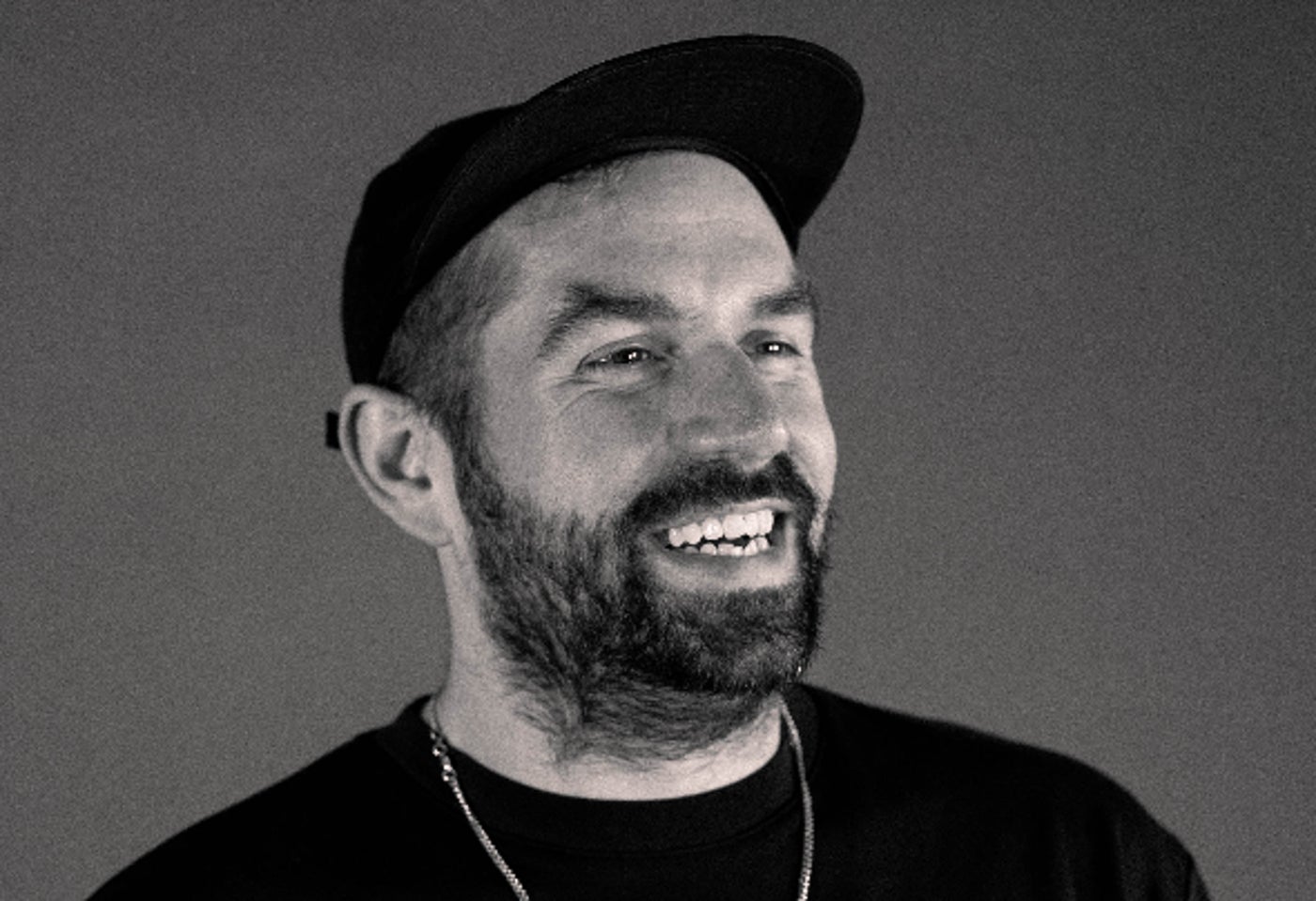
Sam Interface is a London-based DJ, producer and mix engineer associated with the UK bass continuum, moving across breakbeat, UK funky, hard drum and other club-rooted forms.…
More Time Records is a London label associated with the newer end of UK club music: a space where breakbeat pressure, UK bass, grime energy, garage swing, soundsystem influence and global rhythmic dialogue meet. Since its launch, it has been understood less as a genre silo than as a curatorial platform for DJs and producers working across contemporary dance music with a strong percussive identity.
The label was founded in 2017 by Ahadadream and Sam Interface, a detail consistently reflected across its own channels. That origin matters because More Time emerged from DJ culture as much as from record-label logic: its catalogue has tended to reflect club functionality, scene connectivity and a taste for tracks that travel between local UK frameworks and wider diasporic or international rhythmic vocabularies.
Geographically, More Time belongs to London, but its outlook has never been narrowly localist. Its releases are often discussed in relation to a broader network of UK bass, grime-adjacent club music, Afro-diasporic influence, South Asian rhythmic reference points and the post-2010 mutation of soundsystem culture into hybrid, festival-to-club forms.
In sonic terms, the label is known for a forward-facing approach rather than a single fixed template. Across its catalogue, one can hear broken rhythms, syncopated low-end, UK funky continuities, garage and grime traces, dancehall and bashment energy, and a general preference for tracks built to work in adventurous DJ sets rather than within rigid genre boundaries.
That makes More Time relevant to the breakbeat conversation even when many of its releases do not sit inside classic breaks orthodoxy. The label has helped normalize a contemporary club language in which broken beat structures, bass-weighted percussion and cross-scene hybridity coexist with grime, UKG, dubstep lineage and global club mutations. In that sense, it sits comfortably within the wider ecosystem documented by breakbeat and bass culture archives.
Ahadadream is central to the label's identity, both as co-founder and as an artist whose work reflects its hybrid ethos. Sam Interface is equally important in shaping the imprint's direction. Around them, More Time has become a recurring home or platform for a wider circle of collaborators and guests from adjacent scenes, including artists linked to UK bass, grime, club experimentalism and vocal-led soundsystem music.
One visible marker of the label's early profile was its connection with R&S through the compilation R&S presents: More Time Records Vol. 1, which helped frame the imprint for a wider audience without erasing its own identity. That kind of partnership positioned More Time within a lineage of labels and platforms interested in future-facing club music rather than retro genre preservation.
Its catalogue and public presence suggest a label that values community and collaboration as much as individual releases. Various projects, compilations and artist link-ups have reinforced the sense of More Time as a hub: not simply a vessel for one producer's output, but a meeting point for a generation of DJs and producers rethinking what UK club music can sound like.
In editorial terms, More Time Records can be read as part of the post-2010 wave of UK labels that moved beyond neat genre branding while still remaining deeply rooted in soundsystem logic. It speaks to a period when the borders between grime, UK funky, bass, breaks, garage, dubstep afterlives and global club forms became increasingly porous.
Its legacy is still being written, but its role is already clear enough: More Time helped articulate a modern London club sensibility that is rhythmically restless, culturally connected and open to exchange. For listeners coming from breakbeat, bass and adjacent scenes, it stands as a useful reference point for how those traditions were reinterpreted in the late 2010s and beyond.