LOADING BREAKS...
← Back to Artists
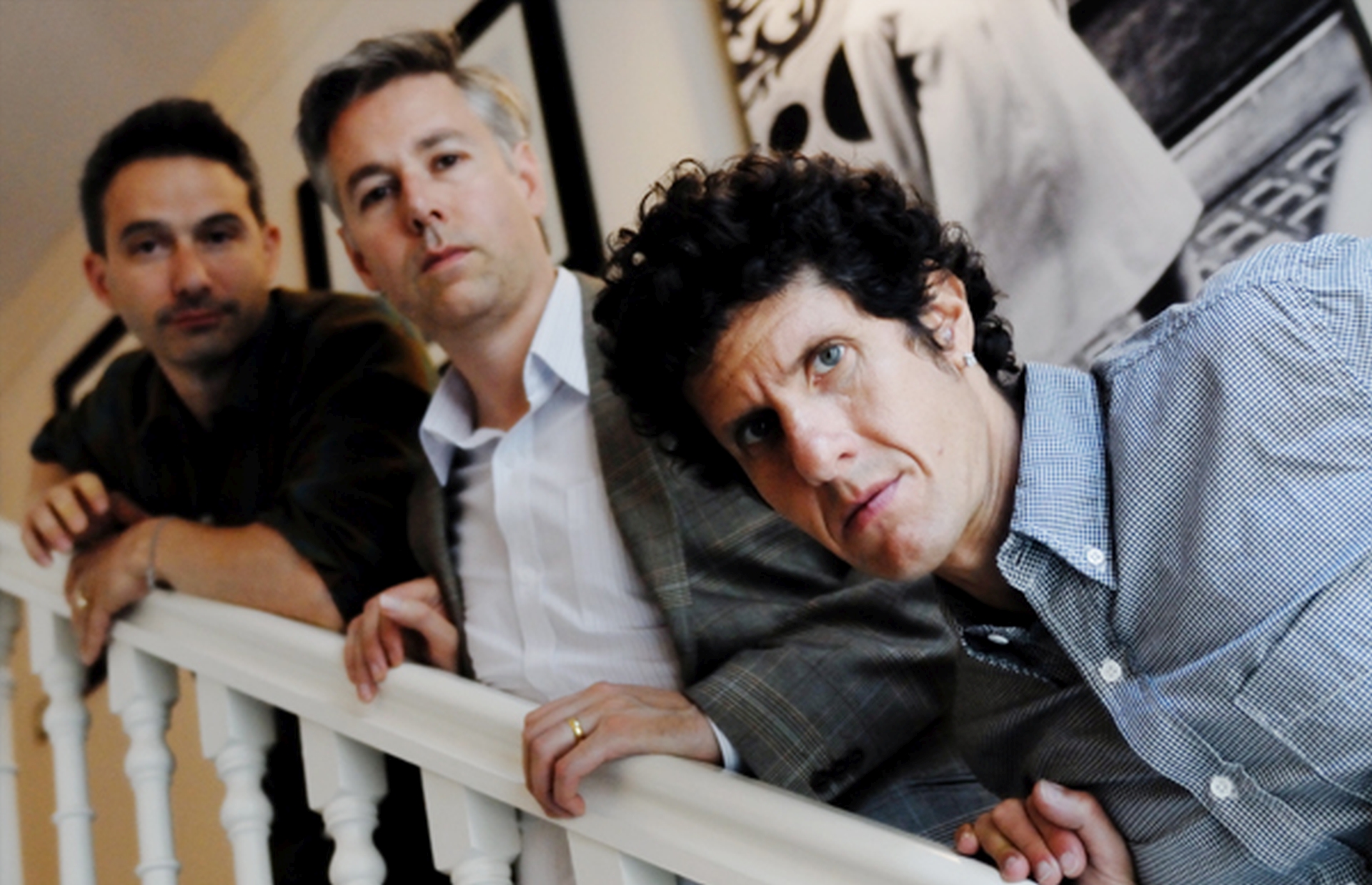

Hip HopRap RockAlternative Hip HopHardcore PunkSampledeliaFunkUSA1980s-2010s
Beastie Boys were a New York group whose trajectory ran from early hardcore punk into hip-hop, then outward into a broader language of sample-based production, funk, rock and left-field pop. In the context of breakbeat culture, their importance lies not in belonging to a UK breaks lineage, but in how decisively they helped shape the sample collage, drum-heavy energy and cross-genre attitude that fed later DJ and producer cultures.
The group emerged in New York City in 1981. Its best-known line-up became Michael "Mike D" Diamond, Adam "MCA" Yauch and Adam "Ad-Rock" Horovitz, though the project began in the downtown punk environment before settling into the trio format that defined its recording career. That early grounding in DIY venues, hardcore velocity and irreverent performance remained audible even after the move into rap.
Their shift toward hip-hop happened at a moment when New York was still defining the form on record and in clubs. Rather than approaching rap as outsiders borrowing a style, Beastie Boys developed inside a city where punk, downtown art culture, early hip-hop, club music and street fashion were already colliding. That hybrid setting is central to understanding both their appeal and their contradictions.
The breakthrough phase came in the mid-1980s through Def Jam, where they entered the orbit of Rick Rubin and Russell Simmons. Their debut album Licensed to Ill turned them into a major commercial force and established a template that fused rap cadences, rock guitar, hard drums and a deliberately abrasive, cartoonish persona. It was a huge cultural event, though later work would complicate and in many ways surpass that first image.
If Licensed to Ill made them stars, Paul's Boutique secured their long-term artistic standing. Built from dense, playful and highly musical sample construction, the album became one of the key documents of late-1980s sampledelia. Its layering, rhythmic wit and crate-digger sensibility have made it especially resonant for producers, turntablists and listeners interested in the lineage connecting hip-hop to breakbeat and cut-and-paste studio practice.
During the 1990s the group broadened its method rather than repeating a formula. Check Your Head and Ill Communication brought live instrumentation back into the frame, reconnecting with punk, funk and jam-based interplay while keeping rap at the center. This period also strengthened their relationship to DJs, B-boys, skaters and alternative club audiences who heard in Beastie Boys a rare fluency across scenes.
Their records from this era were not simply genre exercises. They treated hip-hop production, live basslines, drum breaks, scratches and noise-rock textures as parts of the same vocabulary. That approach helped normalize a more open-ended idea of rap group authorship, one in which studio experimentation and band chemistry could coexist without reducing either side.
The Beastie Boys were also closely associated with Grand Royal, the label and wider cultural platform they co-founded in the 1990s. Through it they extended their reach beyond their own discography, connecting with adjacent strains of hip-hop, indie, funk, punk and DJ culture. Grand Royal mattered because it reflected the group's broader curatorial instincts as much as their recording output.
Key albums across their mature period include Check Your Head, Ill Communication, Hello Nasty and To the 5 Boroughs. Hello Nasty in particular showed how comfortably they could absorb late-1990s electronic textures, studio play and turntablist energy without losing their identity. By that stage, Beastie Boys had become less a rap novelty than a durable institution of adventurous popular music.
Their collaborative network and scene proximity were wide-ranging, but some names recur around their story: Rick Rubin in the early Def Jam phase, the Dust Brothers in the making of Paul's Boutique, and Mix Master Mike in the later live and studio era. Those associations point to an important truth about the group: they thrived when placed in dialogue with strong producers and DJs, yet retained a very distinct internal chemistry.
Beyond records, they were a major live act whose concerts drew from rap, punk and rock performance traditions at once. That mattered culturally because it helped broaden what a hip-hop show could look and feel like for mainstream and alternative audiences alike. Their audience was unusually mixed, spanning rap listeners, indie crowds, skaters, crate diggers and festival publics.
In later years the group remained active through recording, touring and archival projects, but its history changed irrevocably with the illness and death of Adam Yauch. His passing effectively brought the group to an end as an active recording unit. Since then, Beastie Boys have been understood less as a dormant brand than as a completed body of work with a very specific historical arc.
Their legacy is unusually broad. In American rap history they helped move the genre into new commercial and stylistic territory; in alternative music they demonstrated that hybridity need not be superficial; and in DJ and producer culture they left a deep mark through their use of breaks, samples, sequencing and rhythmic density. For breakbeat listeners, they remain an important parallel reference: not a breaks act in the strict sense, but a group whose records repeatedly fed the imagination of beat-driven music culture.
ESSENTIAL TRACKS
Fight for Your Right
No Sleep till Brooklyn
Shake Your Rump
Hey Ladies
So What'cha Want
Sabotage
Intergalactic
Ch-Check It Out
KEY RELEASES
Licensed to Ill (1986)
Debut album released through Def Jam and Columbia
Paul's Boutique (1989)
Sample-heavy second album widely regarded as a landmark
Check Your Head (1992)
Marked a return to live instrumentation
Ill Communication (1994)
Expanded their fusion of rap, punk and funk
Hello Nasty (1998)
Late-1990s studio high point with strong DJ presence
To the 5 Boroughs (2004)
New York-centered album from their later period
LABELS FOUNDED
Grand Royal
RELATED ARTISTS

