LOADING BREAKS...
← Back to Artists

FunkSoulDiscoJazz-FunkR&BUSA1960s-present
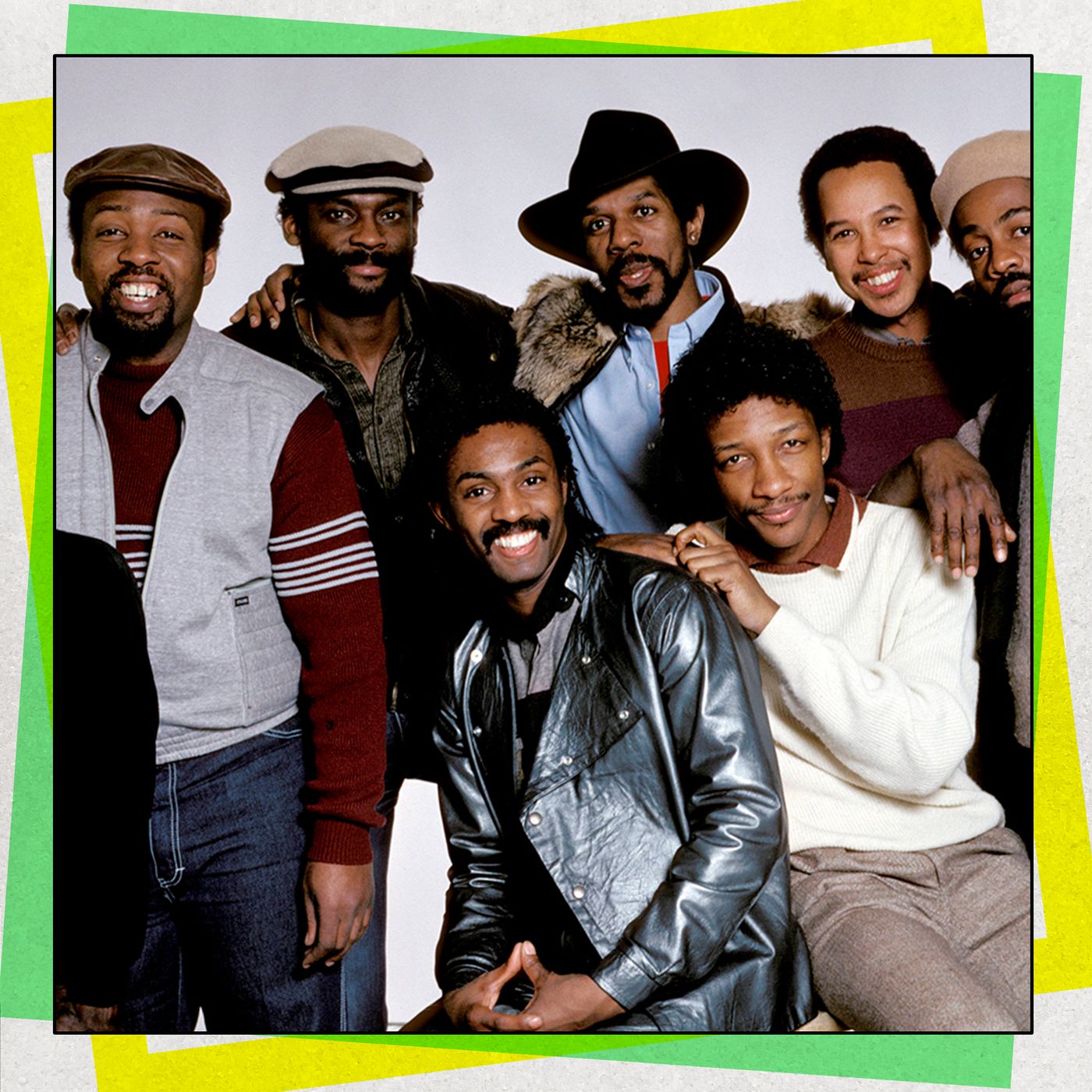
Kool & The Gang are an American group from Jersey City, New Jersey, whose long career runs from jazz-funk and hard groove into soul, disco and mainstream R&B. Although they sit outside the core breakbeat canon, their catalogue has had a durable afterlife in DJ culture through sampling, edits, party breaks and crossover club use.
The group emerged in the 1960s from a local scene shaped by jazz, rhythm and blues and live-band discipline. Early incarnations are generally traced to the Jazziacs, before the ensemble settled into the name Kool & The Gang, with bassist Robert "Kool" Bell as the figure from whom the final name was drawn.
Their formative identity was built around tight ensemble playing, prominent horns, deep basslines and a rhythm section that could move between jazz phrasing and dance-floor directness. That combination made the band distinctive in the early 1970s, when instrumental funk records were central to club, radio and block-party circulation.
Early albums established them as a serious funk unit rather than a vocal harmony act in the conventional soul mould. Tracks from this period, especially their tougher instrumental cuts, would later become staples for crate-diggers, hip-hop producers and DJs looking for durable break material.
Among the key records associated with that first phase are "Jungle Boogie," "Hollywood Swinging" and "Funky Stuff." Those titles helped define the band's reputation for economical grooves, strong horn arrangements and rhythm tracks that travelled well beyond their original release context.
As the 1970s progressed, Kool & The Gang broadened their sound. Their music increasingly absorbed smoother songwriting, more pronounced vocal hooks and a more polished studio approach, without entirely abandoning the rhythmic backbone that had made their earlier work so useful to DJs and samplers.
A major turning point came at the end of the decade, when the group moved toward a more song-led blend of funk, disco and pop-soul. That shift brought a wider audience and produced some of their best-known international hits, including "Ladies' Night," "Too Hot" and, soon after, "Celebration."
The 1980s consolidated that crossover identity. Records such as "Get Down on It," "Joanna," "Fresh" and "Cherish" placed the group firmly within the mainstream of dance-pop and R&B while preserving enough rhythmic clarity to keep parts of their catalogue active in club and DJ culture.
For breakbeat and sample-based music, Kool & The Gang's importance lies less in direct scene membership than in the durability of their grooves. Their drum breaks, basslines, horn stabs and vocal phrases have circulated across hip-hop, house, breaks and party-oriented DJ sets for decades.
That broad reuse has given the group a second life in contexts far removed from their original albums. Producers working in funk edits, big beat, breakbeat and sample collage have repeatedly returned to their recordings because the source material is both musically rich and immediately legible on a dance floor.
The band's history is also notable for its adaptability. Few American groups moved so convincingly from local live-band roots to instrumental funk authority and then to global crossover success without losing a recognisable rhythmic signature.
Because Kool & The Gang operated as a collective identity rather than a single auteur project, their story is best understood through ensemble continuity, arrangement craft and the changing functions of Black dance music across several decades. Their records map a path from club funk to mass-pop celebration while remaining deeply embedded in DJ culture.
In archival terms, they belong first to the history of American funk and R&B. Yet their presence in breakbeat-adjacent listening is secure: not as a breaks act, but as a foundational source of grooves, hooks and sampled energy that helped feed multiple later dance-music languages.
That legacy keeps Kool & The Gang relevant well beyond oldies nostalgia. In clubs, on radio, in edits and in sample-based production, their music continues to function as living repertoire rather than museum material.
ESSENTIAL TRACKS
Jungle Boogie
Hollywood Swinging
Funky Stuff
Ladies' Night
Too Hot
Celebration
Get Down on It
Fresh
KEY RELEASES
Wild and Peaceful (1973)
Includes "Jungle Boogie" and "Hollywood Swinging".
Light of Worlds (1974)
A key mid-1970s jazz-funk and soul-funk album.
Ladies' Night (1979)
Marked the group's move toward a more crossover disco-soul sound.
Celebrate! (1980)
Includes "Celebration".
Something Special (1981)
Includes "Get Down on It".
Emergency (1984)
Includes "Fresh" and "Cherish".
RELATED ARTISTS

