LOADING BREAKS...
← Back to Artists

ElectroElectro-FunkOld School Hip-HopSynth-FunkBoogieUSAearly-1980s-1990
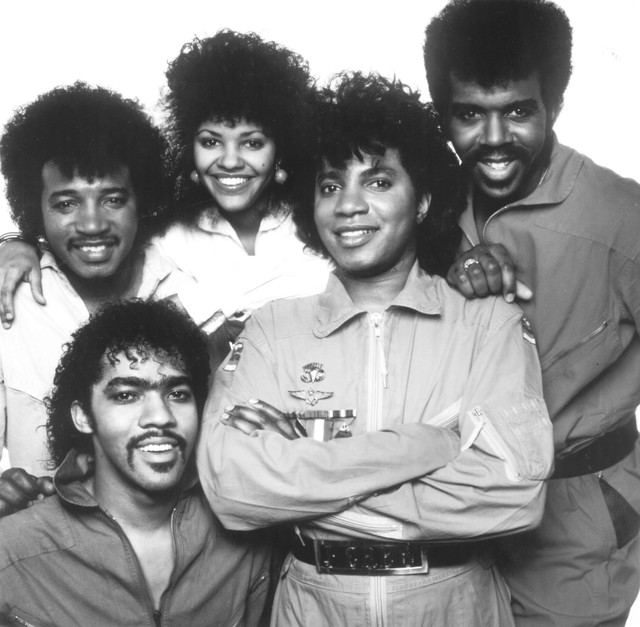
Jonzun Crew were an American group from the early 1980s, most closely associated with the formative electro moment that linked post-disco futurism, drum-machine funk and early hip-hop. Although not a breakbeat act in the later UK sense, they belong to the wider genealogy of machine-led dance music that fed electro, street funk and, eventually, several strands of bass culture.
The group emerged from the Boston area and was centered on the Jonzun brothers, with Michael Jonzun as the key figure most often identified with the project. In scene history they are usually discussed alongside the first wave of electro acts who translated science-fiction imagery, synthesizer arrangements and hard rhythmic programming into club records with crossover appeal.
Their sound drew on P-Funk theatricality, boogie, early rap and the robotic pulse that was becoming central to electro in the years after the first shock of records such as "Planet Rock." Jonzun Crew's records stood out for their combination of vocoder textures, space-age themes and a polished but still street-facing production style.
That futuristic framing was not cosmetic. Like several electro acts of the period, Jonzun Crew used outer-space imagery, costume and electronic staging as part of a broader Afrofuturist language that connected funk spectacle with the new machine music of the early 1980s. This helped place them in a lineage that mattered both to club audiences and to later collectors of electro and synth-driven dance music.
Their best-known recording is "Space Cowboy," a track that became one of the enduring titles of early electro-funk. It circulated widely beyond its original moment and remained visible through DJ culture, compilations and retrospective histories of electro, where it is often treated as a touchstone of the style's playful but forceful early vocabulary.
The group's debut album, also titled Space Cowboy, established the core of their identity: sequenced grooves, chant-like hooks, electronic basslines and a strong sense of visual and thematic concept. It captured a moment when electro was still porous, with funk, boogie and rap techniques overlapping rather than being separated into rigid genre boxes.
A second album, Down to Earth, followed in the mid-1980s and showed the group working within a changing black dance-music landscape. As the decade moved on, many first-wave electro acts had to adapt to shifts in radio, club programming and the rapid diversification of hip-hop and electronic funk. Jonzun Crew's catalog reflects that transition.
Their later album Cosmic Love, released around the end of the decade, belongs to that final phase. By then the original electro boom had passed, but the group's work still documented the persistence of synth-led funk approaches during a period when many related artists were either evolving into different formats or being rediscovered by specialist audiences.
Within US dance-music history, Jonzun Crew occupy an important middle ground. They were not simply a rap group, nor only a funk band using electronics; they were part of the hybrid zone where drum machines, sequencers, stage imagery and early MC culture met. That hybrid quality is one reason their records continue to matter to DJs and historians.
Their influence is especially clear in the way later electro, freestyle-adjacent club music and crate-digger culture kept returning to their recordings. "Space Cowboy" in particular survived as more than a period piece: it became a reusable reference point for sets, compilations and discussions of the electro canon.
For listeners coming from breakbeat, bass or UK hardcore genealogies, Jonzun Crew are relevant because early US electro supplied part of the rhythmic and conceptual groundwork for later machine music. The emphasis on syncopated drum programming, synthetic bass pressure and futurist identity would echo far beyond its original context.
Today Jonzun Crew are best understood as a key early electro group whose work helped define the genre's theatrical, melodic and dancefloor-facing side. Their catalog is relatively compact, but its historical weight is secure: it documents a moment when funk, electronics and hip-hop were being reorganized into a new language for the club.
ESSENTIAL TRACKS
Space Cowboy
Pack Jam (Look Out for the OVC)
Ground Control
We Are the Jonzun Crew
KEY RELEASES
Space Cowboy (1983)
Debut album and their signature title in early electro-funk
Down to Earth (1984)
Second album from their mid-1980s period
Cosmic Love (1990)
Later album from the group's final phase
RELATED ARTISTS


