XL Recordings is a British independent label whose history runs from the late rave era into a much broader role in contemporary music. Within breakbeat culture, its importance begins with the early-1990s moment when UK dance music was rapidly splitting into hardcore, breakbeat house, jungle and related forms, and XL became one of the labels helping to document and circulate that shift.
The label was founded in 1989 and emerged from the London-centred network of pirate radio, clubs, DJs and white-label culture that shaped British rave. In its early phase, XL was closely associated with the fast-moving continuum around hardcore and breakbeat-led dance records, before later expanding far beyond that base.
One useful way to understand XL's place in the scene is through its early compilations and singles culture. Releases such as the "Chapter" compilations mapped a period when breakbeat house, rave and hardcore were still overlapping categories, and when labels often functioned as curators of a whole dance-floor vocabulary rather than a single narrowly defined genre.
That early catalogue connected XL to artists and tracks that became reference points in UK rave history. The label's orbit included names such as SL2, Liquid and The Prodigy, all of whom helped define the energy of the period through chopped breaks, piano riffs, ragga inflections, rave stabs and a strong sense of soundsystem pressure.
For breakbeat listeners, XL matters not because it stayed fixed to one style, but because it captured several key transitions. Its early records sit in the zone where house tempos, hip-hop break sampling and hardcore intensity were being recombined into a distinctly British language that would feed jungle, drum & bass and later bass music lineages.
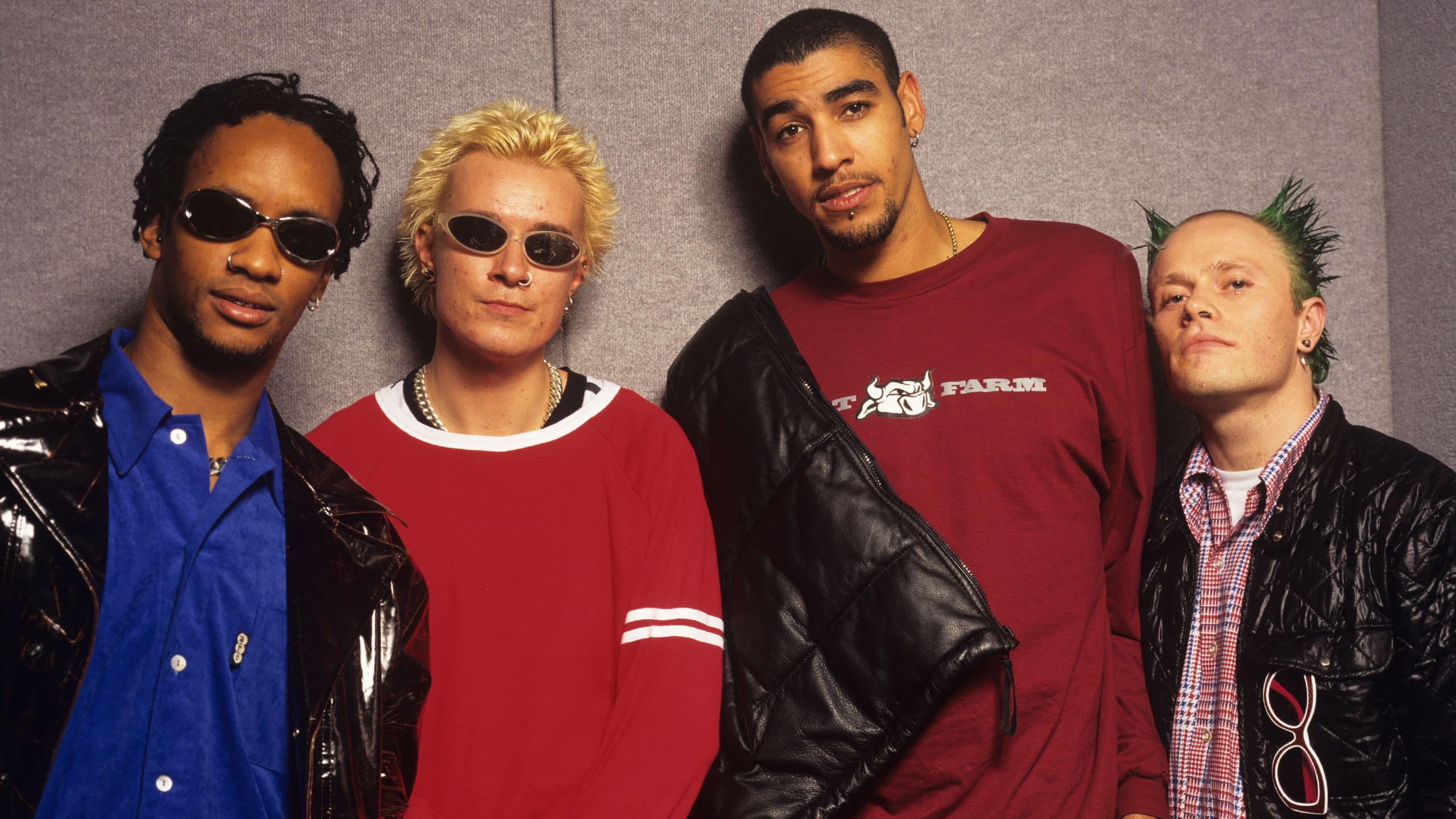
The Prodigy's rise through XL also gave the label an unusually visible role in taking rave-derived breakbeat energy from specialist dance spaces into a much wider public sphere. That crossover did not erase the underground roots of the catalogue; if anything, it showed how pirate-radio aesthetics, DJ tools and warehouse momentum could be translated into major cultural impact.
XL's relationship to adjacent styles remained fluid through the 1990s. Alongside rave and hardcore associations, the label's wider network touched jungle and drum & bass, and later projects such as Breakbeat Era show that XL could still act as a platform for break-driven music even after its identity had broadened considerably.
Another part of the story is editorial evolution. Under Richard Russell's stewardship from the mid-1990s onward, XL developed into a label known internationally for a wide roster extending well beyond dance music. Even so, its early catalogue remains central to understanding how the label was built and why it still carries weight in discussions of UK club culture.
In scene terms, XL Recordings occupies a position between rave document, crossover engine and long-form independent institution. It was not only a home for individual hits; it was also a channel through which breakbeat-led UK dance music reached larger audiences without losing all connection to its pirate, club and DJ foundations.
Its legacy in breakbeat history is therefore twofold: first, as an active participant in the formative years of breakbeat house and hardcore rave; second, as a label whose later prestige has kept parts of that early continuum visible to listeners coming from outside the original scene. For Optimal Breaks, XL belongs in the story not as a narrowly specialist breaks imprint, but as one of the major labels through which breakbeat culture entered the wider musical bloodstream.