
The Funk Hunters
VIEW FULL PROFILE

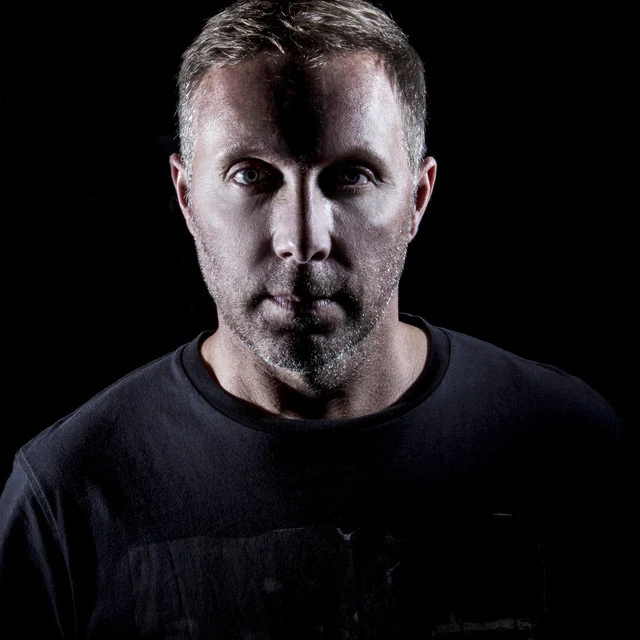
Krafty Kuts is the recording and DJ alias of Martin Reeves, a Brighton-based English DJ, producer, turntablist, promoter and label owner. He is a defining figure in the British…
Westwood Recordings is a Canadian independent label associated with the modern West Coast bass continuum: funk-driven breaks, glitch-hop, bass house, midtempo and crossover festival electronics with roots in DJ culture. Within the broader breakbeat map, it sits closer to the North American strain that connects party breaks, hip-hop swing, low-end bass music and live-electronic crossover than to the UK hardcore lineage.
The label is closely linked to the Vancouver scene and to the orbit around The Funk Hunters, whose profile helped define the imprint's public identity. From that base, Westwood developed as a platform for producers and bands working in adjacent styles rather than as a narrowly purist breaks label.
Its catalog suggests a label that grew through the 2010s and remained active into the 2020s, with anniversary retrospectives such as 10 Years of Westwood Recordings underlining a sustained editorial run. That timeline places it in the period when North American bass music labels increasingly moved fluidly between singles culture, streaming platforms and festival-facing branding.
Sonically, Westwood Recordings is marked by punchy drums, funk and soul sampling, hip-hop-informed arrangements, wobbling bass design and a polished crossover sensibility. Depending on the artist, releases can lean toward breakbeat, glitch-hop, bass house, electro-funk or roots-inflected bass music, but the catalog tends to preserve a common emphasis on groove and crowd impact.
The Funk Hunters are one of the clearest anchor acts in the label's story, and artists such as Defunk, Stickybuds and Moontricks also help sketch its range. That roster points to a scene where DJ sets, live instrumentation, vocal collaborations and remix culture all feed into the same ecosystem.
Representative titles circulating around the label include tracks such as The Funk Hunters - Way U Walk, Defunk - Freak, Moontricks - Nebulizer and Stickybuds feat. Glen David Andrews - Family Man. Compilation-style releases like The Best of Westwood Recordings 2021 and 10 Years of Westwood Recordings further frame the imprint as a curatorial hub as much as a simple outlet for isolated singles.
For breakbeat listeners, Westwood Recordings is relevant less as a document of classic UK breaks orthodoxy than as part of the later global mutation of breaks aesthetics. Its records often carry the snap, syncopation and DJ utility familiar to breakbeat audiences, but they are folded into a wider bass-music language shaped by North American festivals, digital distribution and hybrid club crowds.
That flexibility is central to the label's identity. Westwood has issued music that can sit in sets alongside nu skool breaks, ghetto funk, bass house, glitch-hop and other high-energy crossover forms, reflecting a period when genre borders became more porous and labels often served communities rather than strict taxonomies.
The imprint's broader significance lies in how it helped consolidate a recognizable West Coast Canadian bass sound for an international audience. It offered a home for artists balancing accessibility and sound-system weight, and it documented a strand of club music that values funk as much as impact.
In scene memory, Westwood Recordings stands as a durable node between breakbeat culture, bass music and festival-era independent dance publishing. Its catalog is best understood as a bridge: from breaks to bass, from DJ tools to streaming-era singles, and from local scene infrastructure to a wider global listenership.