
BreakBeat Lou
VIEW FULL PROFILE


Bob James is an American keyboardist, composer, arranger and producer whose work sits outside breakbeat culture in a direct genre sense, but inside it in a foundational way…
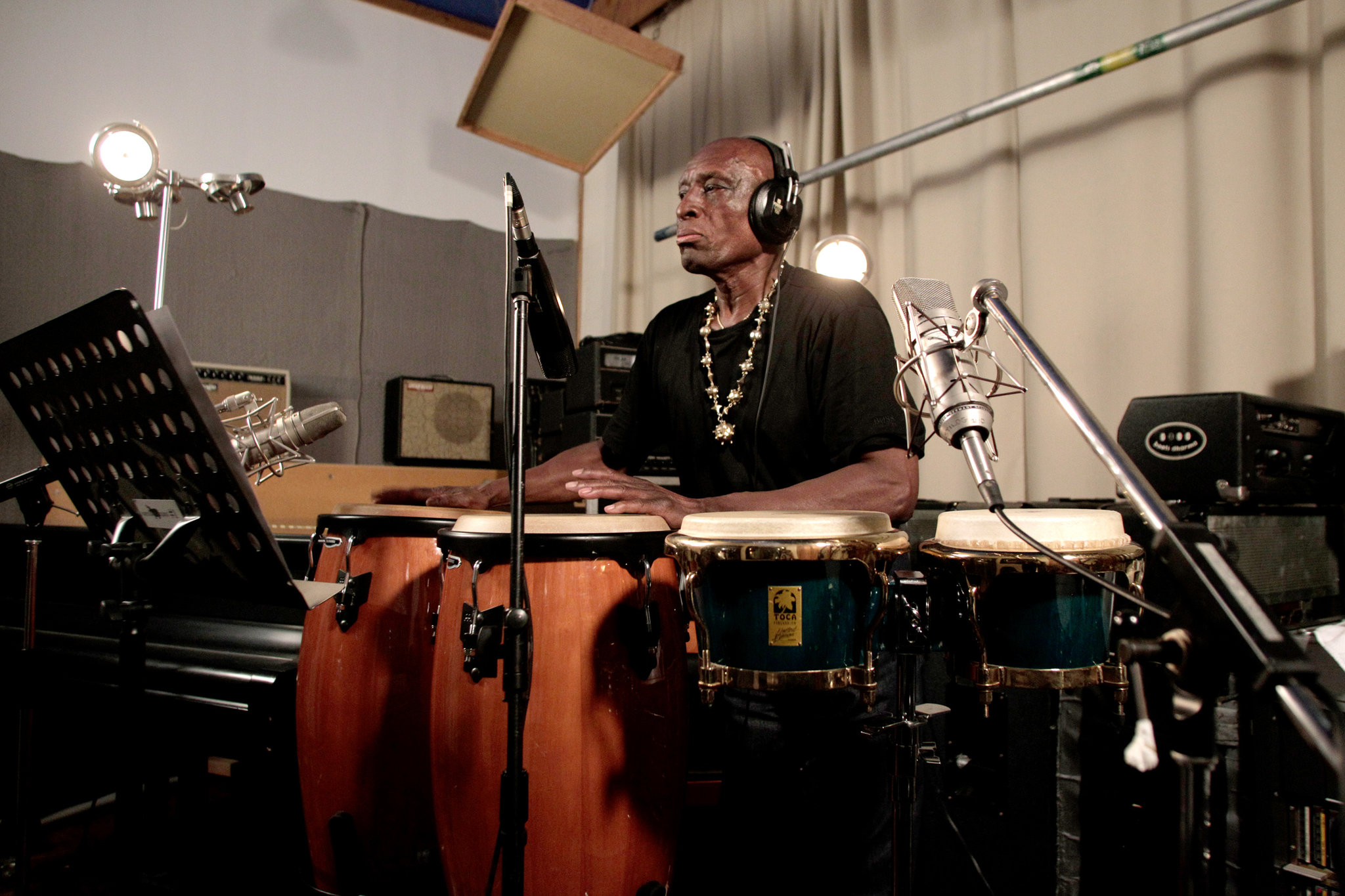
The Incredible Bongo Band was a short-lived American studio project from the early 1970s, assembled around producer and music-industry figure Michael Viner. Although its original…
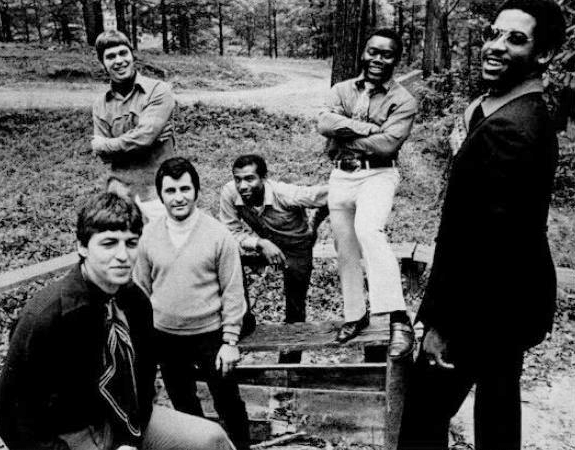
The Winstons were an American soul and funk vocal group based in Washington, DC. In a conventional pop history they are remembered for the 1969 hit "Color Him Father," but within…
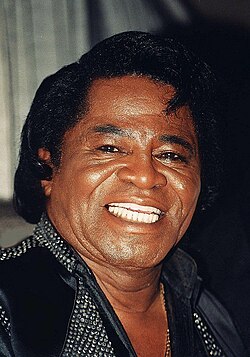
James Brown was an American singer, bandleader, songwriter and producer whose work sits at the root of modern funk and, by extension, a large part of the rhythmic language later…
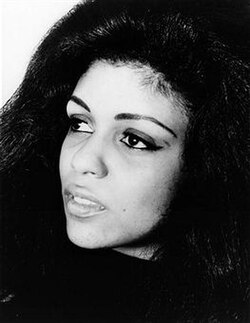
Lyn Collins was an American soul and funk singer whose recorded legacy reaches far beyond her original chart era. Although she is usually introduced through her work with James…
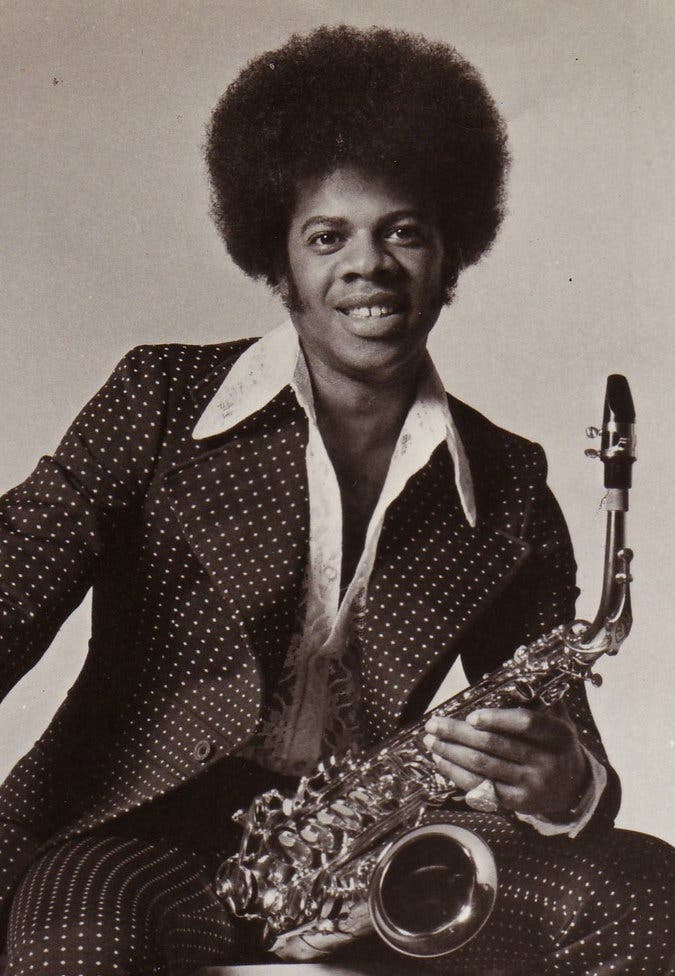
Jimmy Castor was a New York musician, singer, saxophonist and bandleader whose work moved from Latin soul and boogaloo into funk, soul, jazz-funk and disco. Although he is not a…
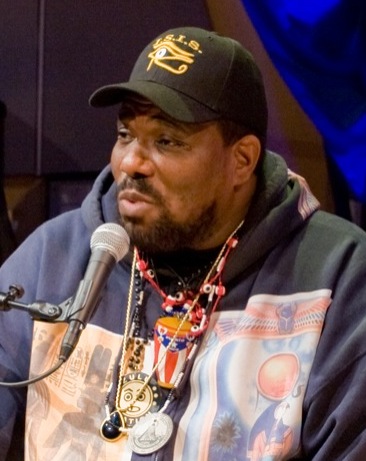
Afrika Bambaataa is one of the foundational figures in hip-hop culture and a key bridge between early Bronx DJ practice, electro, and the wider breakbeat continuum. Emerging from…
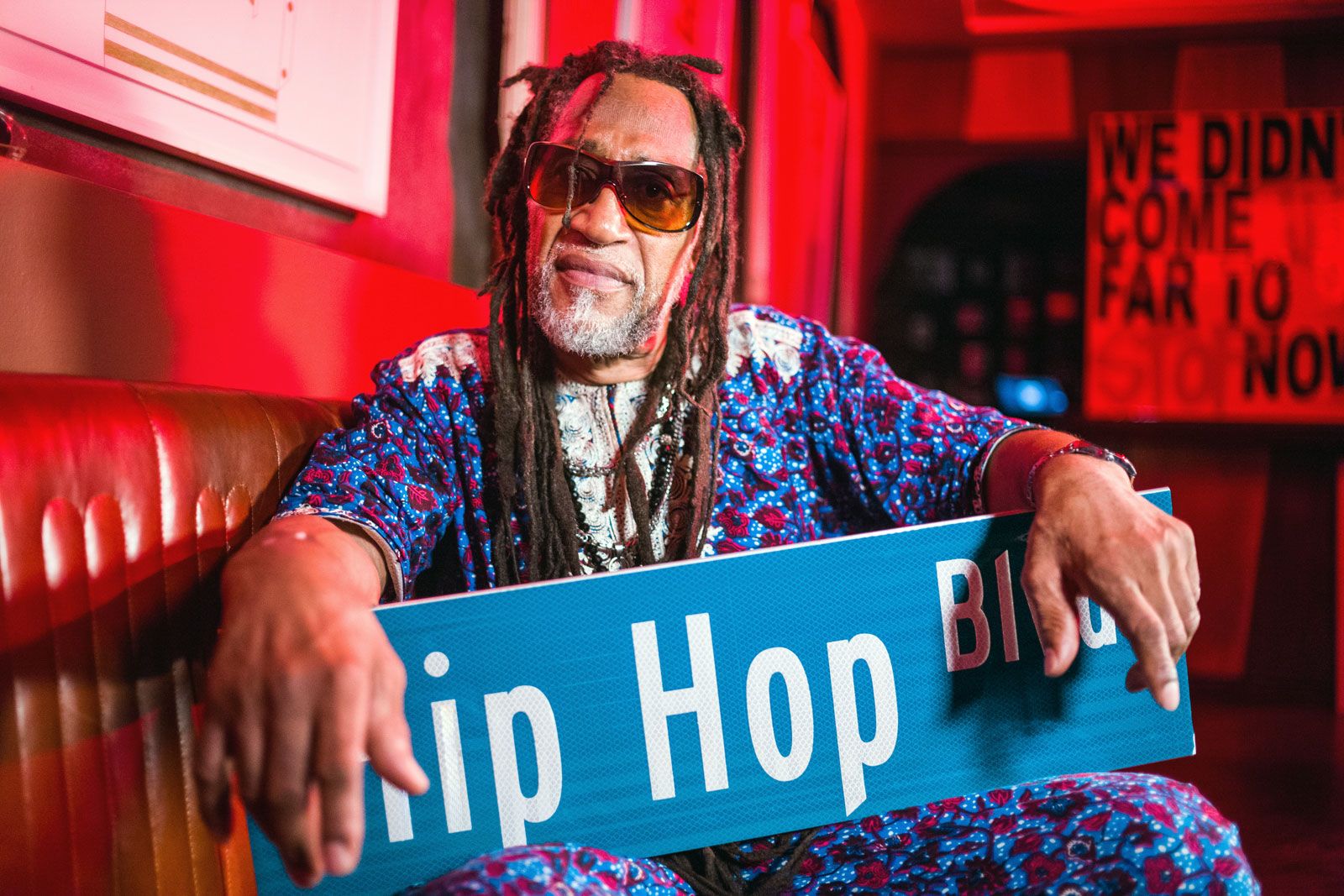
DJ Kool Herc is one of the foundational figures in modern DJ culture and is widely associated with the birth of hip-hop in the Bronx during the early 1970s. Within the wider…
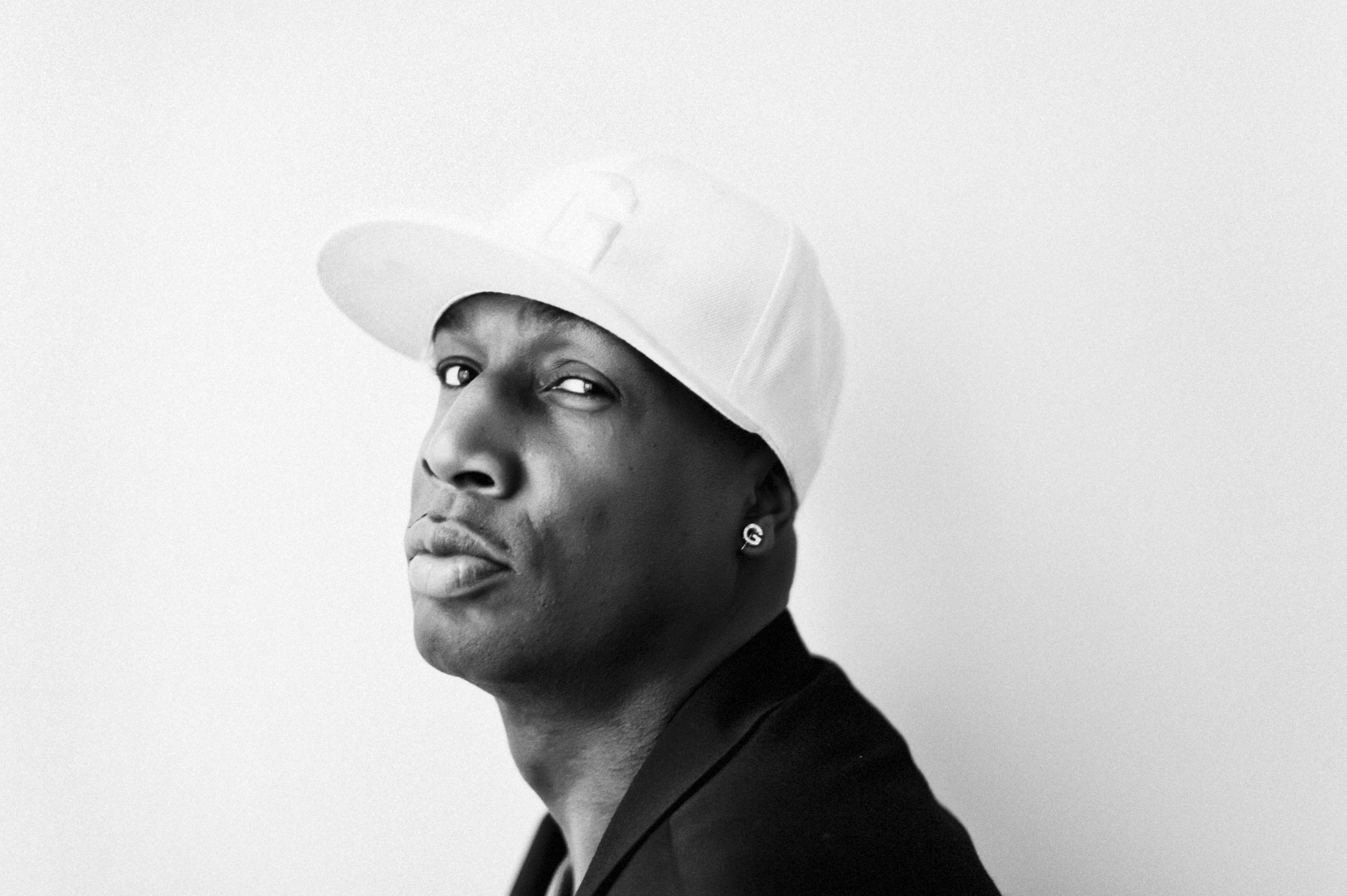
Grandmaster Flash is one of the foundational figures in hip-hop culture and one of the DJs most directly associated with the technical development of turntablism. Emerging from…
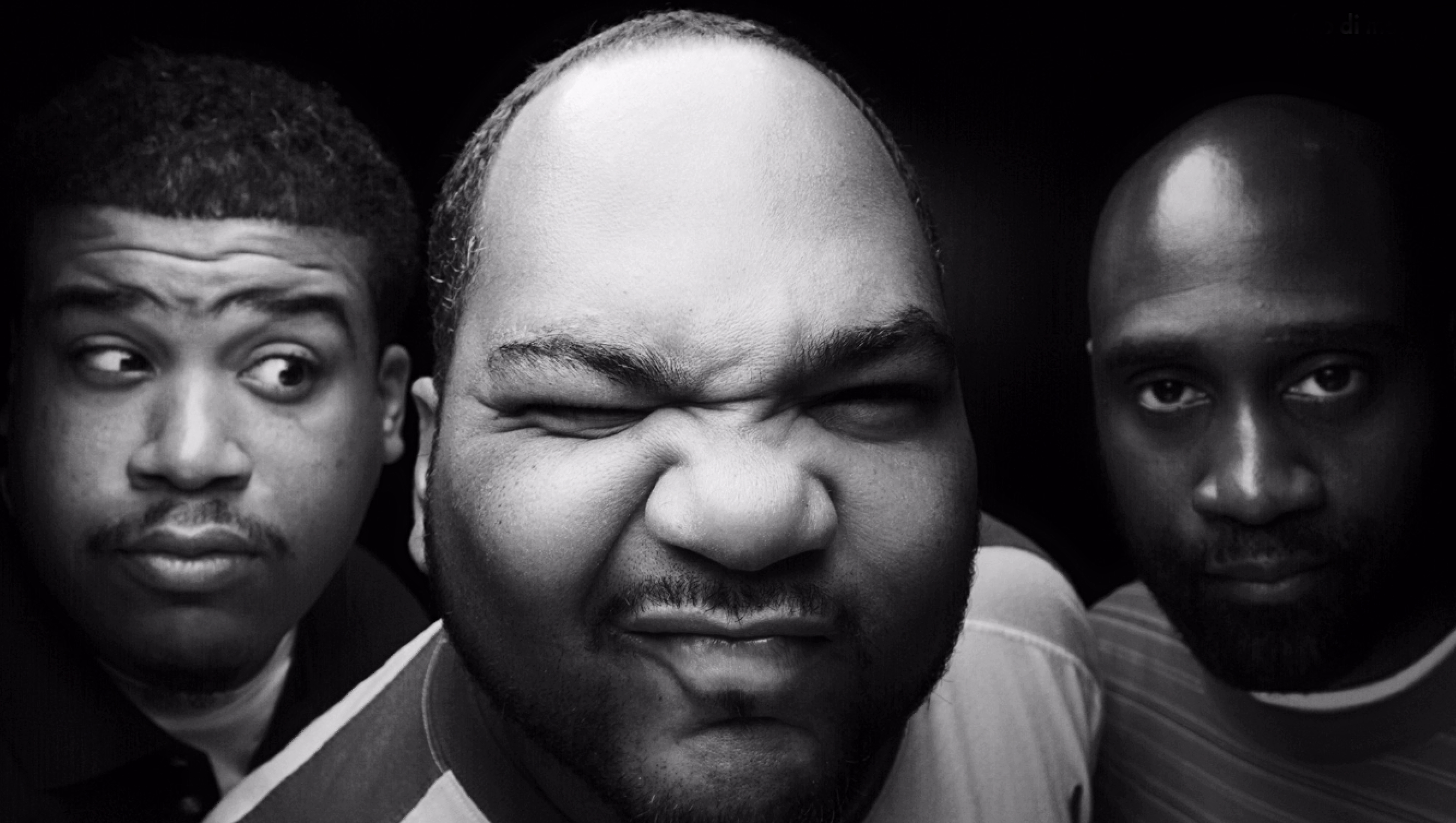
De La Soul are a Long Island hip hop group whose work helped redraw the possibilities of rap at the end of the 1980s. Emerging from Amityville, New York, the trio became central…
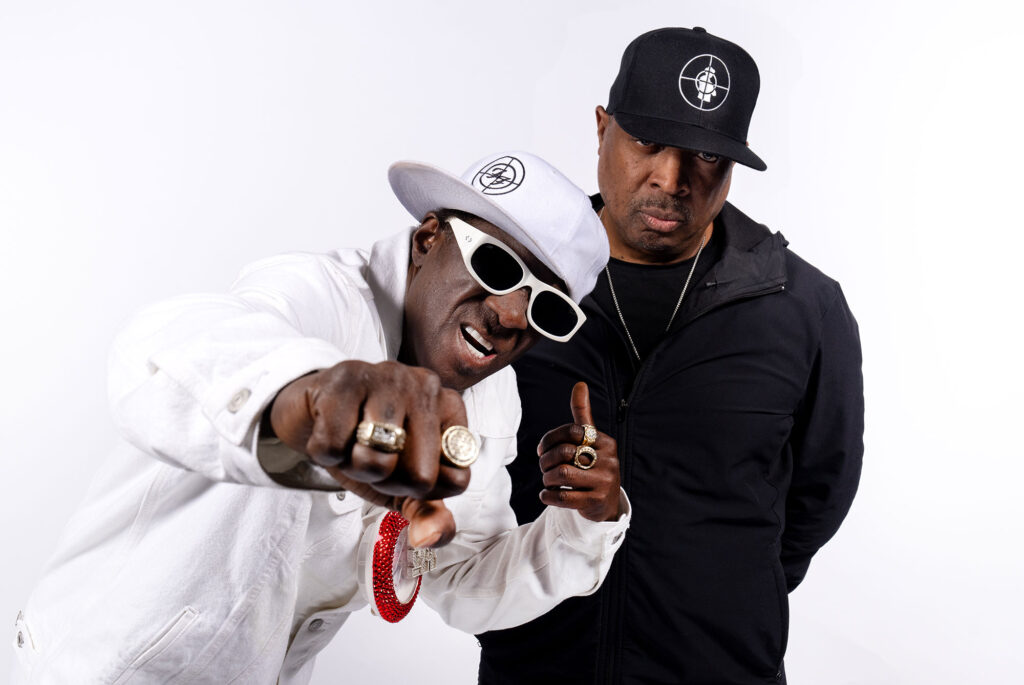
Public Enemy is an American hip-hop group whose work reshaped the political and sonic possibilities of rap in the late 1980s and early 1990s. Although not a breakbeat act in the…
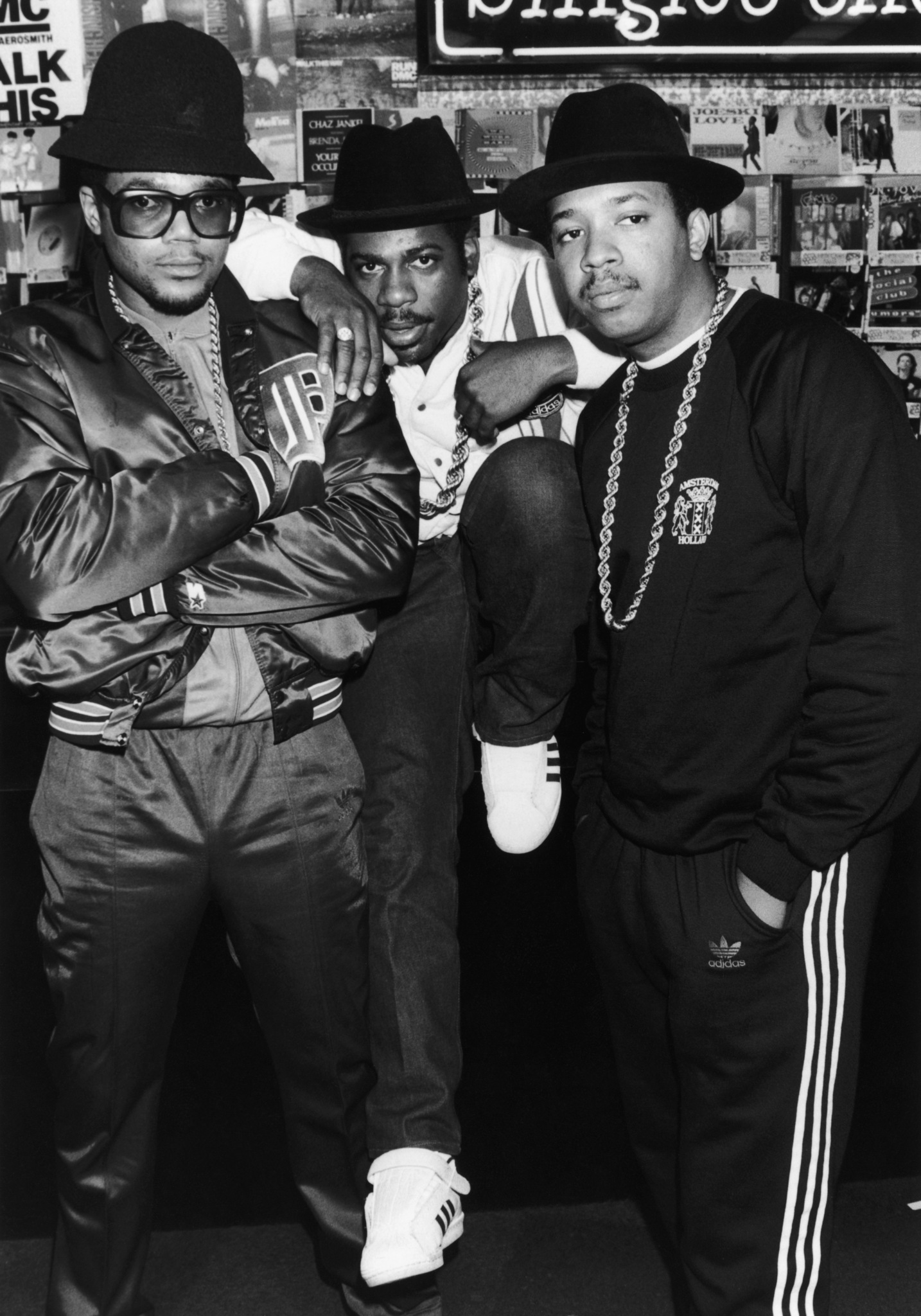
Run-D.M.C. were a New York hip-hop group formed in Hollis, Queens, in the early 1980s by Joseph "Run" Simmons, Darryl "DMC" McDaniels and Jason "Jam Master Jay" Mizell. Although…
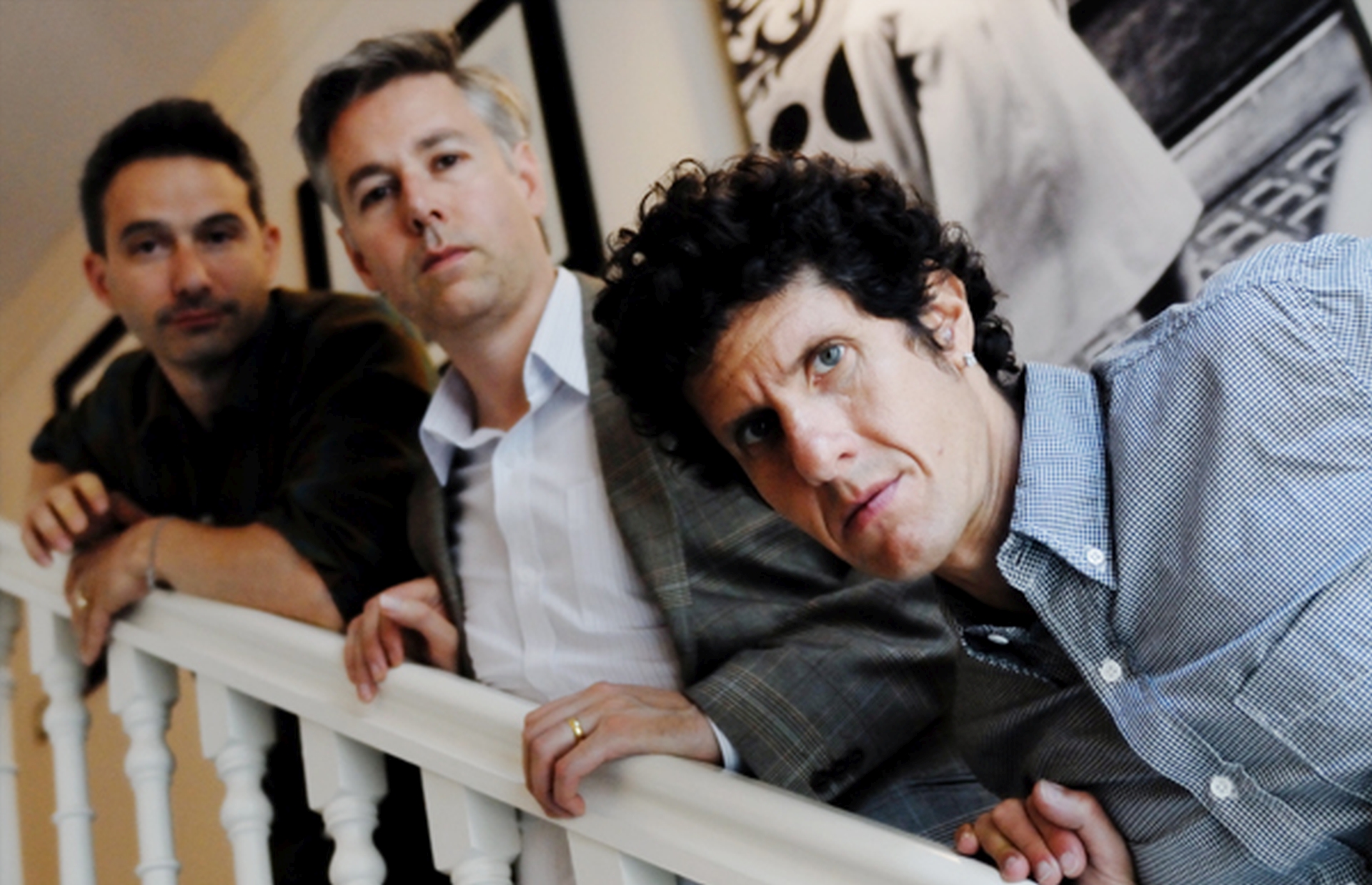
Beastie Boys were a New York group whose trajectory ran from early hardcore punk into hip-hop, then outward into a broader language of sample-based production, funk, rock and…
Ultimate Breaks is best understood not as a conventional artist-led imprint but as the editorial identity around Ultimate Breaks & Beats, the influential US compilation series associated with Street Beat Records and the work of BreakBeat Lou Flores. In practice, its importance lies less in label branding than in the way it organized a usable archive of drum breaks, funk grooves and DJ tools for hip-hop, dance and sample-based production.
The series emerged in New York record culture during the mid-1980s, when DJs, early hip-hop producers and collectors were actively searching for older funk, soul, rock and disco records with open breaks. Ultimate Breaks & Beats gathered many of those sought-after moments into an accessible format, helping codify a shared breakbeat vocabulary across scenes.
Its main historical phase ran from 1986 into the early 1990s. Across its run, the project became a practical resource for turntablists, radio DJs, beatmakers and dancers, especially at a time when finding original pressings could be expensive, inconsistent or dependent on deep digging knowledge.
Musically, the catalog centered on compilations rather than new productions. The core idea was simple but culturally decisive: reissue tracks known for their drum intros, percussion passages and groove sections, often with cueing and DJ use in mind. That made the series part archive, part toolbox and part canon formation.
Although rooted in hip-hop break culture, its reach extended well beyond rap. The same source material fed electro, house, hardcore breakbeat, jungle and later big beat and nu skool breaks. For many producers outside the US, Ultimate Breaks & Beats functioned as an entry point into the classic break repertoire that would be chopped, looped and recontextualized across rave and bass music.
The project is strongly associated with BreakBeat Lou, whose role as compiler and scene connector helped shape its authority. Rather than presenting obscure music as museum material, the series treated older records as living components of DJ practice, battle culture and studio experimentation.
Representative volumes in the series became staples in record bags and studio shelves, and individual source tracks such as The Honey Drippers' "Impeach the President," Melvin Bliss' "Synthetic Substitution" and Bob James' "Take Me to the Mardi Gras" gained renewed circulation through this ecosystem. In that sense, Ultimate Breaks helped standardize a working repertoire of sampled rhythm history.
For breakbeat culture specifically, its legacy is foundational. Many of the breaks that powered UK hardcore, jungle and later breakbeat mutations were circulated, studied or rediscovered through the same chain of DJ knowledge that Ultimate Breaks & Beats helped consolidate. Even where producers later sourced cleaner originals or alternative pressings, the series remained a key educational map.
It also belongs to a broader history of reissue culture and DJ-oriented compilations. Ultimate Breaks & Beats was not the only source for classic breaks, but it became one of the most visible and durable frameworks for collecting them, especially for listeners coming up after the first generation of funk and soul releases.
Today, Ultimate Breaks is remembered less as a standard record label with a roster than as a crucial editorial platform in the genealogy of breakbeat. Its significance rests in selection, circulation and usability: it helped turn scattered grooves from earlier decades into a common language for hip-hop, rave, jungle, breaks and sample-based music at large.