TCR, short for Thursday Club Recordings, was one of the key UK labels in the late-1990s and 2000s breakbeat continuum. Closely associated with Rennie Pilgrem and the wider Thursday Club orbit, it helped define a strain of dancefloor breaks that sat between club toughness, funk-driven sampling, bass pressure and a distinctly British rave sensibility.
The label is generally linked to the Thursday Club brand and to Rennie Pilgrem's role as its central figure. In practice, TCR functioned as both an artist platform and an editorial hub for a broader network of producers working across breakbeat, nu skool breaks, electro-leaning cuts and adjacent bass-heavy club forms.
Its main historical weight sits in the period when breakbeat became a durable alternative to straight 4/4 club music in the UK and beyond. TCR was part of the infrastructure that gave that movement a recognisable catalogue identity: DJ-friendly 12-inches, compilations, remixes and artist releases aimed squarely at soundsystem impact.
Sonically, the label is often associated with chunky drum programming, acid traces, funk edits, hip-hop attitude and a rough-edged rave energy rather than polished crossover pop. Even when releases moved toward electro, tech-breaks or more experimental territory, the catalogue usually retained a physical, club-tested emphasis.
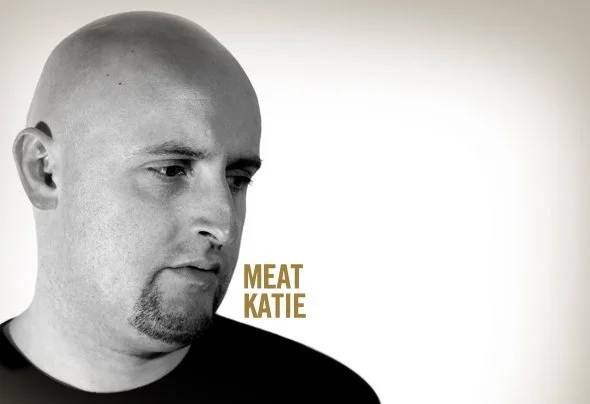
Rennie Pilgrem is the obvious anchor name, but TCR also became a regular outlet for artists tied to the broader breaks circuit. Names such as BLIM, JDS, General Midi, Meat Katie and Ils are commonly associated with the label's ecosystem, reflecting how TCR connected established DJs, remix culture and producer-led club records.
Among the releases and series most often cited around the label are Rennie Pilgrem's own productions, the Tribalizm compilations, and later retrospectives such as Classic TCR. Those titles help illustrate the label's dual role: documenting a scene in real time while also consolidating a canon for listeners who came to UK breaks through DJ culture.
Within breakbeat history, TCR matters not simply as a logo on sleeves but as part of a wider network of clubs, labels and distributors that sustained the nu skool breaks era. It sat in dialogue with other UK imprints pushing break-led dance music, and its catalogue helped map the overlap between big beat's aftermath, electro-breaks mutation and a tougher underground breaks language.
The label's output also shows how porous the boundaries were between breakbeat and neighbouring styles. Some records leaned toward acid breakbeat, some toward bass-heavy electro, some toward party-rocking funk pressure, and some toward darker, more technical club material. That range was part of TCR's identity rather than a contradiction.
As with many labels rooted in DJ culture, TCR's significance is tied to context as much as to individual hit records. It was a reliable source for selectors looking for high-impact tools, but it also gave the breaks scene a sense of continuity and self-definition during years when the genre was evolving quickly and often sat outside mainstream narratives.
Its later archival and retrospective presence points to the durability of that catalogue. For listeners tracing the history of UK breakbeat after hardcore and before the full fragmentation of bass music scenes, TCR remains a useful reference point: a label that captured the swagger, flexibility and club functionality of the era with unusual consistency.