TCR, short for Thursday Club Recordings, was one of the central UK labels in the late-1990s and early-2000s breakbeat boom. Closely associated with Rennie Pilgrem and the Thursday Club orbit, it helped define a strain of club-focused breaks that sat between acid house memory, bass pressure, electro attitude and the tougher end of the nu skool breaks movement.
The label emerged from the wider Thursday Club identity, a London club institution that linked DJ culture, pirate-era energy and post-rave mutation. In that sense TCR was more than a logo on sleeves: it functioned as a publishing arm for a scene, translating a specific dancefloor sensibility into 12-inch singles, artist releases and mix-led compilations.
Its most visible historical phase ran from the second half of the 1990s into the 2000s, when UK breakbeat had become a distinct club language rather than just a residual rave term. TCR was regularly cited alongside labels that gave shape to the era's breaks infrastructure, and it became a habitual reference point for DJs looking for material that was punchy, psychedelic, funky and engineered for peak-time use.
Sonically, the catalogue is strongly associated with chunky breakbeats, acid traces, distorted low end, rave edits and a mischievous, often irreverent approach to dance music form. While it belonged to the broader breaks field, it also touched electro, tech-funk, bass-heavy house hybrids and occasional left turns that reflected the openness of UK soundsystem and club culture at the time.
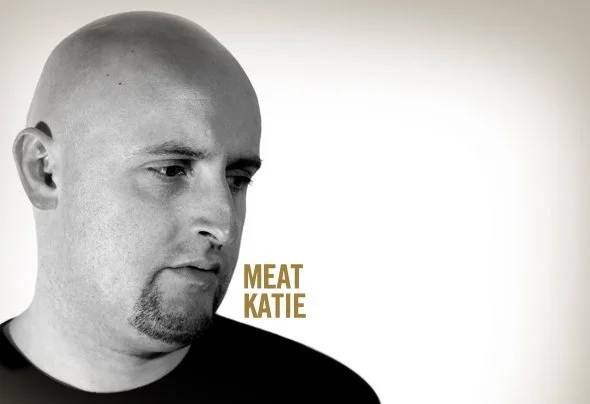
Rennie Pilgrem is the key name in the label's story, both as figurehead and as an artist whose productions and mixes gave TCR a recognizable identity. Around him, the label became a channel for producers such as BLIM, Meat Katie, Elite Force, JDS, 2 Sinners and Waveform, among others working in adjacent strains of UK breakbeat and tech-driven club music.
Releases commonly linked to TCR include cuts such as Meat Katie & Elite Force's "Ju Ju," BLIM's "Crazy Things," JDS's "Disco Rockers / VS House Music," and the label-marking mix project "TCR 50 (A UK Breakbeat Continuous Mix)." These records and compilations helped map the label's range: from DJ weapons and crossover club tracks to statements that framed TCR as a coherent scene document.
Within breakbeat history, TCR matters because it captured a period when breaks were neither a nostalgic callback nor a purely underground code. The label helped push the sound into larger clubs and international DJ circuits while retaining a distinctly UK sense of rave lineage, bass weight and subcultural humor.
It also occupied an important position in the conversation between breakbeat and neighboring styles. TCR releases often shared DNA with big beat's impact, electro's machine funk and the tougher, more streamlined aesthetics that would feed into tech-funk and later bass mutations. That permeability is part of why the catalogue still feels representative of its era rather than narrowly genre-locked.
As a label identity, TCR is often remembered through both individual records and the broader Thursday Club brand. The connection between club night, DJs, producers and imprint gave it a scene-building role that exceeded simple release scheduling. It documented a network and, in doing so, helped stabilize a vocabulary for UK breaks at a formative moment.
Although its main period of activity belongs to an earlier phase of the scene, TCR remains a durable reference in discussions of nu skool breaks and related UK club music. Its legacy rests less on mythology than on a body of records that still illustrate how breakbeat could be tough, playful, psychedelic and functional all at once.