
DJ Rasco Styles
VIEW FULL PROFILE

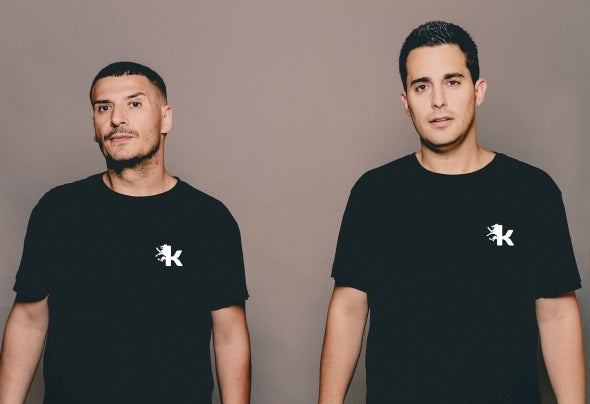
BreaksMafia is a Spanish breakbeat crew name tied to the contemporary underground, and it has often circulated with the alternate spelling "Break Mafia" across line-ups, download…

Rasco is a DJ and producer associated with the Andalusian breakbeat circuit, particularly the long-running club culture that developed in southern Spain around breaks, electro and…
Selecta Breaks Records is a Spanish label associated with the modern breaks continuum and adjacent bass styles. In the digital era it has operated as a platform for club-focused material moving between breaks, bass music, electro, trap, glitch hop and, at times, drum & bass.
Available sources link the imprint to Manuel Rasco Mazo, also known as DJ Rasco Styles. That places the label within the long-running Andalusian and broader Spanish breaks ecosystem, a scene that developed its own strong identity through DJs, specialist producers and regional club circuits rather than simply mirroring UK trends.
Its profile appears to belong above all to the 2010s and later digital marketplace, with releases circulating through stores such as Beatport and cataloguing platforms like Discogs. That context suggests a label built for DJ circulation and online distribution more than for a classic vinyl-led collector identity.
Musically, Selecta Breaks Records sits in the more energetic and hybrid end of contemporary breaks culture. Its catalogue is associated with punchy breakbeat programming, bass-heavy drops, electro pressure and crossover festival-era production values, while still remaining legible to breaks DJs.
The label is also notable for how openly it connects breaks to neighboring bass genres instead of treating them as sealed compartments. References to trap, glitch hop and drum & bass indicate an editorial line shaped by post-2000s bass culture, where producers and DJs often move fluidly between tempos and rhythmic frameworks.
Among the names most visibly associated with the imprint are BreaksMafia, Beat-Breaker and Multiply. Those links point to a network of artists working in a Spanish and internationalized breaks language: direct, functional, high-impact tracks designed for sets, events and digital consumption.
The release trail visible in public listings includes titles such as "Bring The Beat Back," "Bass Planet," "Powder," "Lose Control" and "The Funk You Love." Even from that partial snapshot, the label's identity comes through clearly: club utility, bass weight and a preference for immediate dancefloor response over conceptual packaging.
Within the wider history of breakbeat, Selecta Breaks Records belongs to the phase in which the style survived and adapted through digital labels, download stores and niche online communities. Rather than representing the original hardcore or big beat eras, it reflects the persistence of breaks as a living DJ form in Spain after the genre's commercial peak.
That role matters in a scene where continuity has often depended on small and medium imprints maintaining release flow for active DJs. Labels of this kind helped keep breaks visible in local circuits and online charts, while also absorbing newer bass influences without abandoning the rhythmic core that defines the style.
Selecta Breaks Records may not be documented in the same way as the foundational UK imprints, but it is representative of an important layer of the culture: regional, digitally native, stylistically flexible and committed to keeping breakbeat connected to contemporary bass-floor energy.
In that sense, the label's significance lies less in canon formation than in scene maintenance. It stands as part of the infrastructure that allowed Spanish breaks to continue evolving through the download era, linking established breakbeat habits with newer bass-music production codes.