
Kid Master
VIEW FULL PROFILE

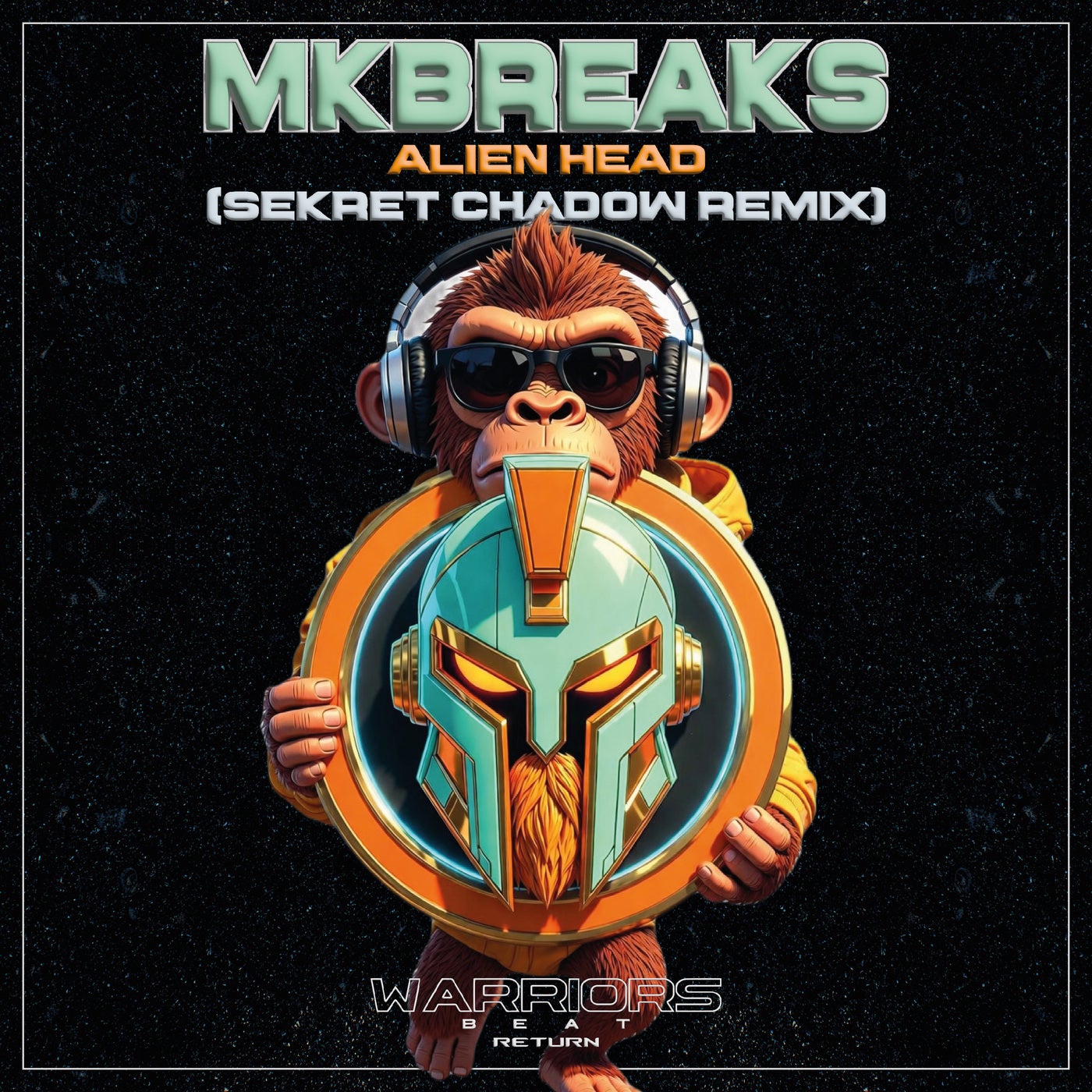
MKBREAKS is the breakbeat project of Marc Cuenca Tamayo, tied to Algeciras, in Cádiz. His SoundCloud profile is labelled MKBREAKS — Algeciras, Cádiz, and the older account path is…
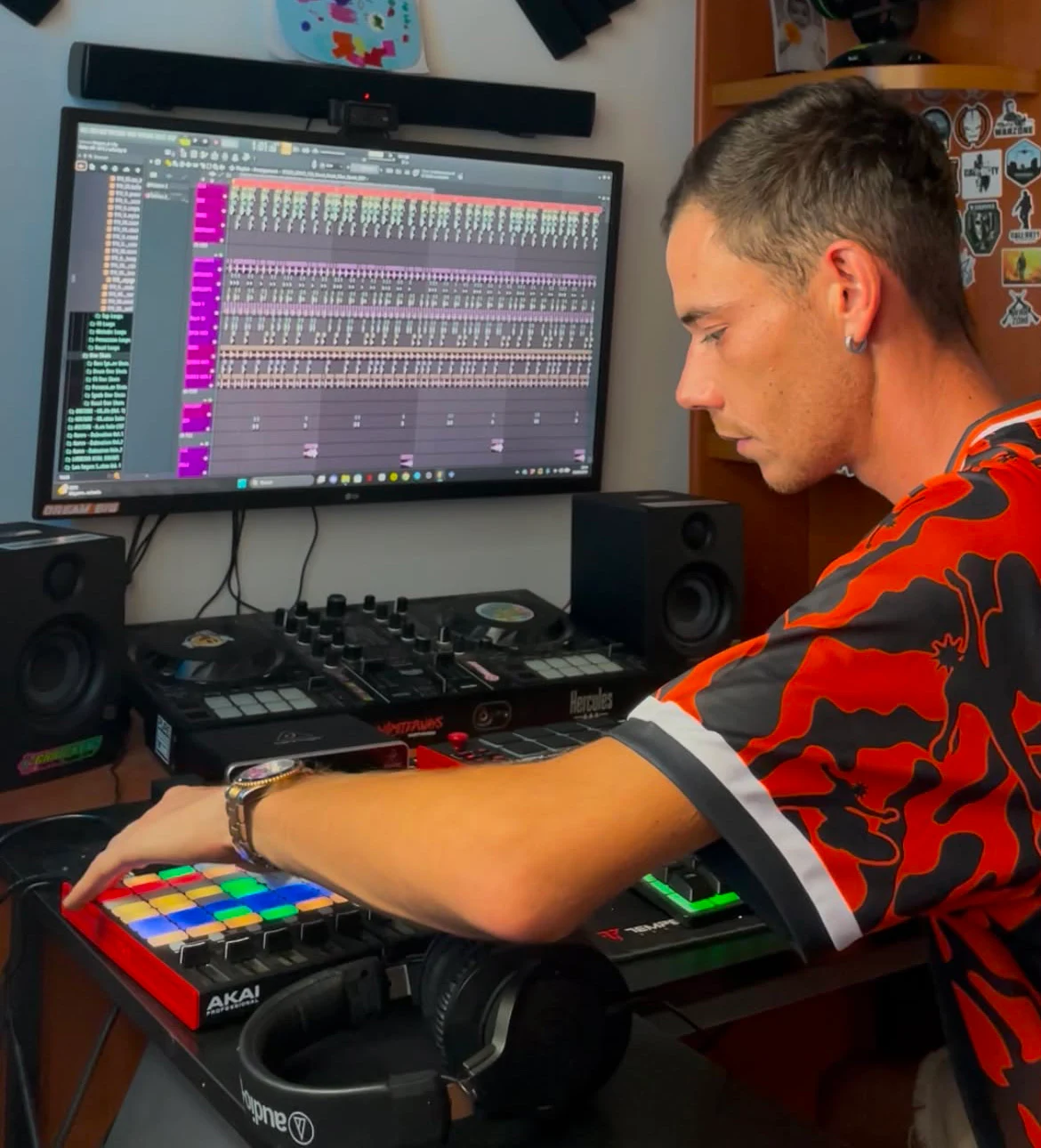
Vital Drums is the recording project of Alejandro Gómez Campos, a producer working primarily in contemporary breakbeat. Composer and producer credits on titles such as Do my…
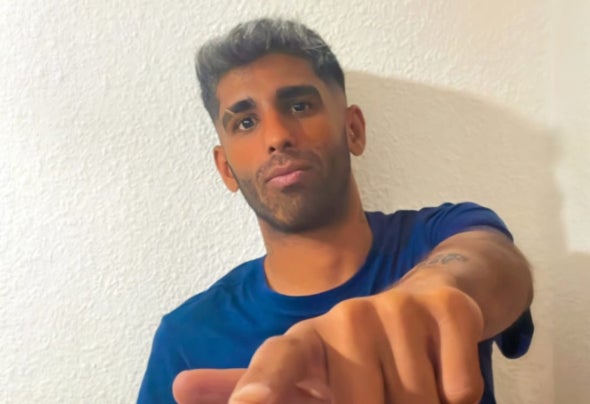
FunkyBitz is a contemporary breakbeat producer associated with the current club-facing end of the breaks spectrum. The project sits in the lane where punchy drum programming…
Samay Records is a contemporary breakbeat label operating in the orbit of digital-first club culture. The available public traces place it within a strand of modern breaks that draws on the long afterlife of UK and Iberian breakbeat scenes while presenting itself through online platforms rather than through a heavily documented physical-label history.
What can be stated with some confidence is that Samay Records has circulated music by producers such as Kid Master, Mkbreaks, Vital Drums and Funkybitz, and that its profile is tied to dancefloor-oriented breakbeat rather than to jungle, garage or drum & bass in a strict sense. The label appears as part of a networked scene where tracks, exclusives and short-form promotion on streaming and social media are central to how releases travel.
Its SoundCloud presence suggests a catalogue aimed at DJs and listeners following current breaks output, with tracks that lean toward punchy rhythms, bass pressure and a direct club function. The emphasis seems less archival or album-based than single-driven, which fits a large part of the post-vinyl breakbeat economy.
An Instagram description identifying Samay as a sister or brother label to Lizplay Records is one of the clearest contextual clues around its editorial identity. That connection points to a shared ecosystem rather than an isolated imprint, with crossover in audience and likely overlap in artists, promotion channels and release strategy.
In stylistic terms, Samay Records appears aligned with the broad modern breaks field: energetic drum programming, festival and club-ready low end, and a format suited to digital circulation, DJ downloads and platform visibility. It belongs more to the ongoing breaks continuum than to the historically specific big beat boom or the early-90s hardcore lineage, even if those older traditions remain part of the genre's background language.
The artists publicly associated with the label indicate a practical, track-focused curation model. Rather than building a mythos around one founding figure or a tightly canonised roster, Samay seems to function as a release platform for producers working within adjacent breakbeat vocabularies.
Because the available documentation is limited, it is wiser to describe the label as a modest but active node in today's breaks infrastructure than to overstate its historical weight. Its significance lies in helping keep breakbeat circulation alive in the digital era, especially through the kinds of releases that move quickly between producers, DJs and online communities.
For Optimal Breaks, Samay Records is best understood as part of the contemporary independent layer of the scene: not a foundational 1990s institution, but a useful example of how breakbeat labels continue to operate through social platforms, streaming profiles and interconnected imprints.