Rune Recordings is a breaks-focused label that has presented itself with a simple, accurate slogan: “Breakbeats. Worldwide.” That phrase captures both its musical scope and its networked identity. Rather than tying itself to a single local micro-scene or one narrow substyle, the label has operated as a platform for contemporary breakbeat in a broad sense, connecting producers from different countries around a shared rhythmic language.
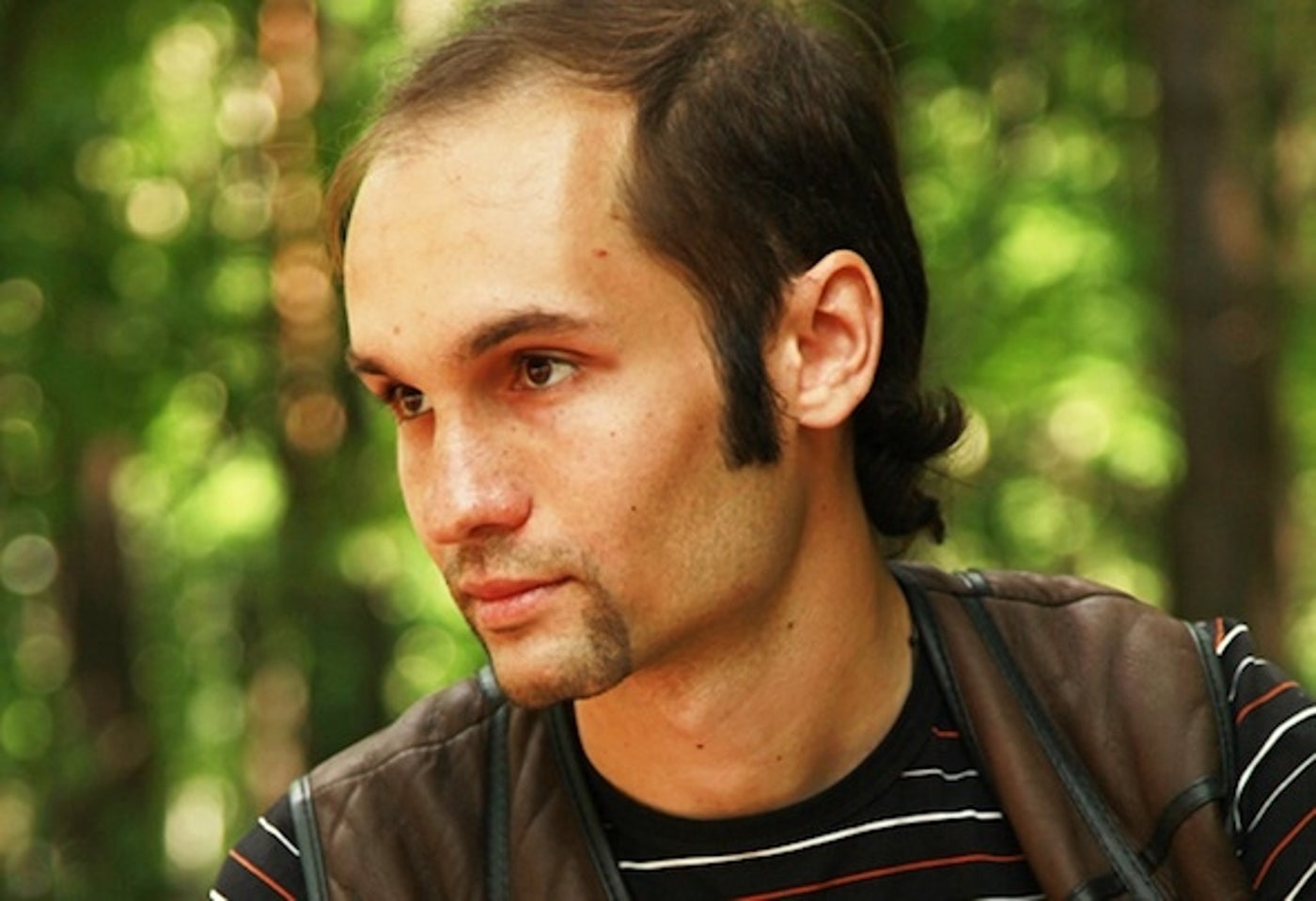
Available label profiles and storefronts consistently place its beginnings around 2010. It is associated with Alexander Zhikharev, also known as Parallax Breakz, and with a co-founding role shared with Dima, although public summaries are not always equally detailed about the latter. In practical terms, Rune emerged during a period when breakbeat culture was increasingly sustained by digital circulation, online communities and specialist download platforms rather than by a single dominant club-market infrastructure.
Its catalogue sits in the zone where progressive breaks, atmospheric breakbeat, melodic bass music and more driving dancefloor material overlap. The label has generally avoided a rigid house style in the narrow sense, but there is a recognizable editorial line: clean production, detailed drum programming, a taste for cinematic or emotive harmonies, and a preference for tracks that treat breakbeat as a flexible modern form rather than as a retro revival exercise.
That breadth is important to understanding Rune Recordings. In the 2010s and beyond, breaks no longer functioned as one unified mainstream category; instead, the sound lived across adjacent niches, from deeper headphone-oriented material to club tracks with electro, bass and progressive influences. Rune helped map that terrain by giving those variants a common home and by framing them as part of the same ongoing conversation.
The label’s release flow on Bandcamp and specialist stores suggests a sustained, long-running digital operation rather than a short burst of activity. Its catalogue includes singles, EPs and larger-format projects, and it has also used compilations to articulate its identity. The title Breakbeats Worldwide is especially representative, not just as a release name but as a statement of intent about the label’s reach and curatorial outlook.
Among the artists associated with the imprint are Parallax Breakz, Esok, Nelver, Unreal, Rick Tedesco, Kelle and Ákos Győrfy. These names point to the label’s stylistic spread: some releases lean toward lush, introspective and melodic breakbeat, while others push into sharper, more kinetic territory. Even when the moods differ, the catalogue tends to remain coherent through its attention to groove, texture and arrangement.
Rune Recordings also belongs to a wider post-2000 ecosystem in which labels, DJs, producers and online audio platforms worked together to keep breakbeat culture visible outside the commercial center. Its presence on Bandcamp, SoundCloud and Beatport reflects that ecology. In that sense, the label is not only a publisher of tracks but part of the infrastructure that allowed breaks to circulate internationally after the peak years of the original big beat and nu skool breaks boom.
The label’s relationship to the broader breakbeat continuum is best understood as contemporary and plural rather than purist. It is connected to breaks as a living production language that can absorb progressive, bass, atmospheric and occasionally UK-rooted rhythmic ideas without losing its core identity. That makes Rune relevant to listeners who follow not just classic breakbeat scenes, but also the later digital mutations that kept the form evolving.
Its legacy lies less in one canonical crossover hit than in sustained curation. Rune Recordings has functioned as a dependable outlet for producers working in and around modern breaks, helping maintain a transnational scene that often thrives below the level of mass visibility. For listeners and DJs tracking the deeper end of 2010s and 2020s breakbeat, it stands as a useful reference point for how the style continued to develop in the digital era.