
Spain
BreakbeatElectroBass
LINERO
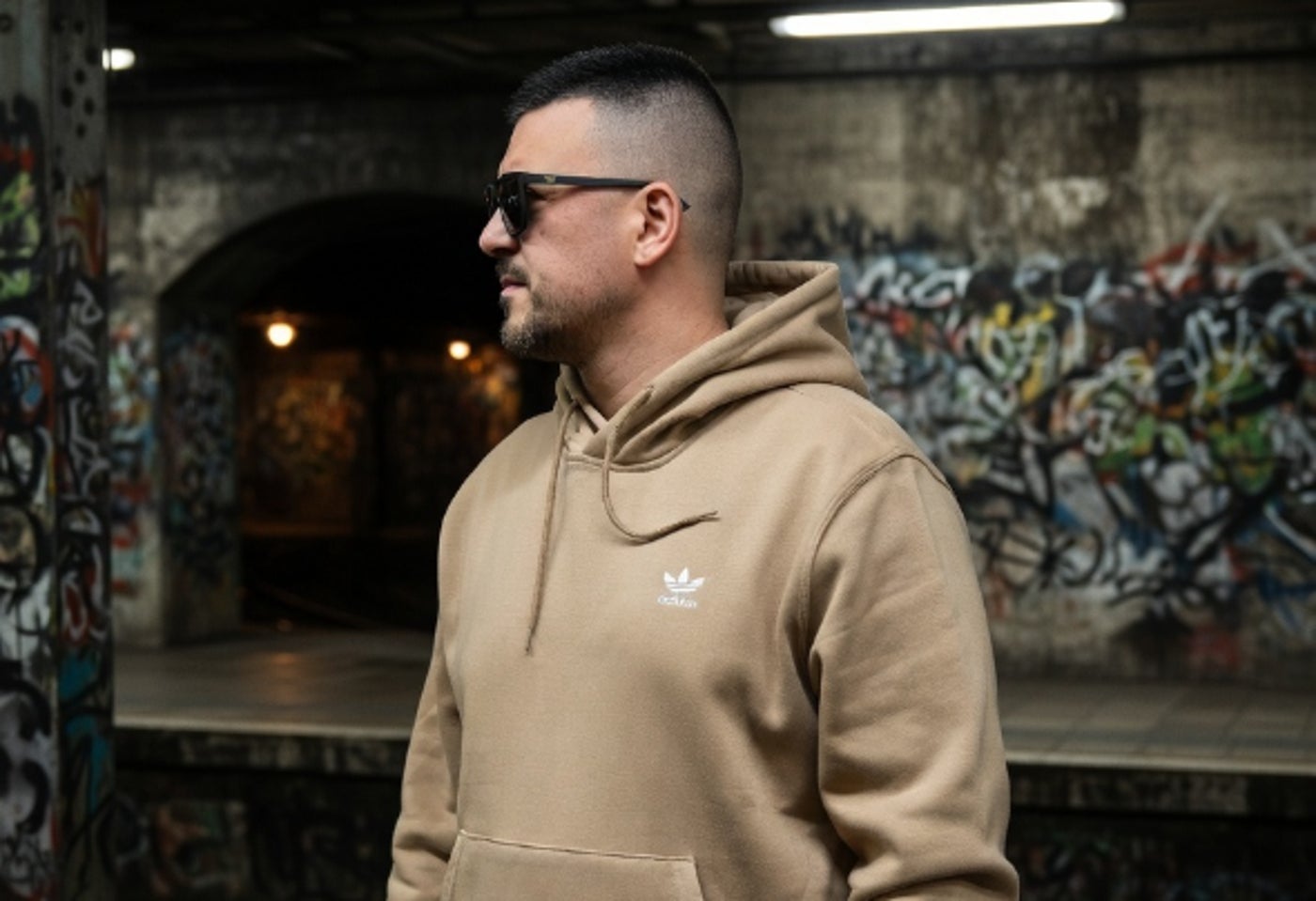
Linero is a Seville-based DJ and producer associated with the Andalusian breakbeat continuum and its wider electronic club culture. His profile sits within the current generation…
BEATPORT TOP — 10 TRACKS

Linero is a Seville-based DJ and producer associated with the Andalusian breakbeat continuum and its wider electronic club culture. His profile sits within the current generation…
Welder B is a Spanish breaks producer active across the independent labels connecting contemporary Iberian breakbeat and UK-bass-adjacent club music. Credits also appear as…
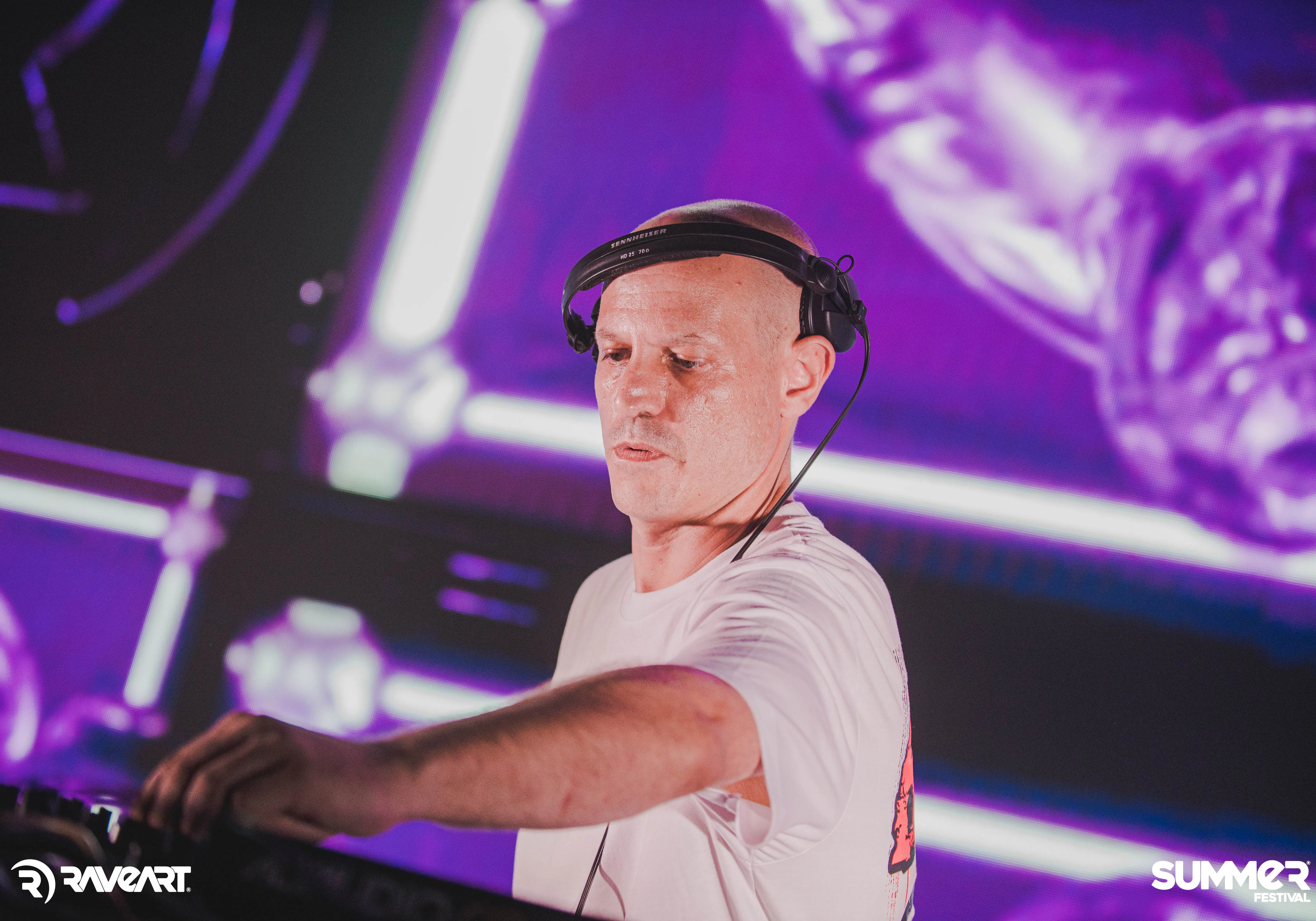
Bubu (often credited as Bubu (BREAKS) on digital stores) is a Spanish DJ and producer tied to the Andalusian breakbeat circuit and, in public-facing credits, to the promoter and…
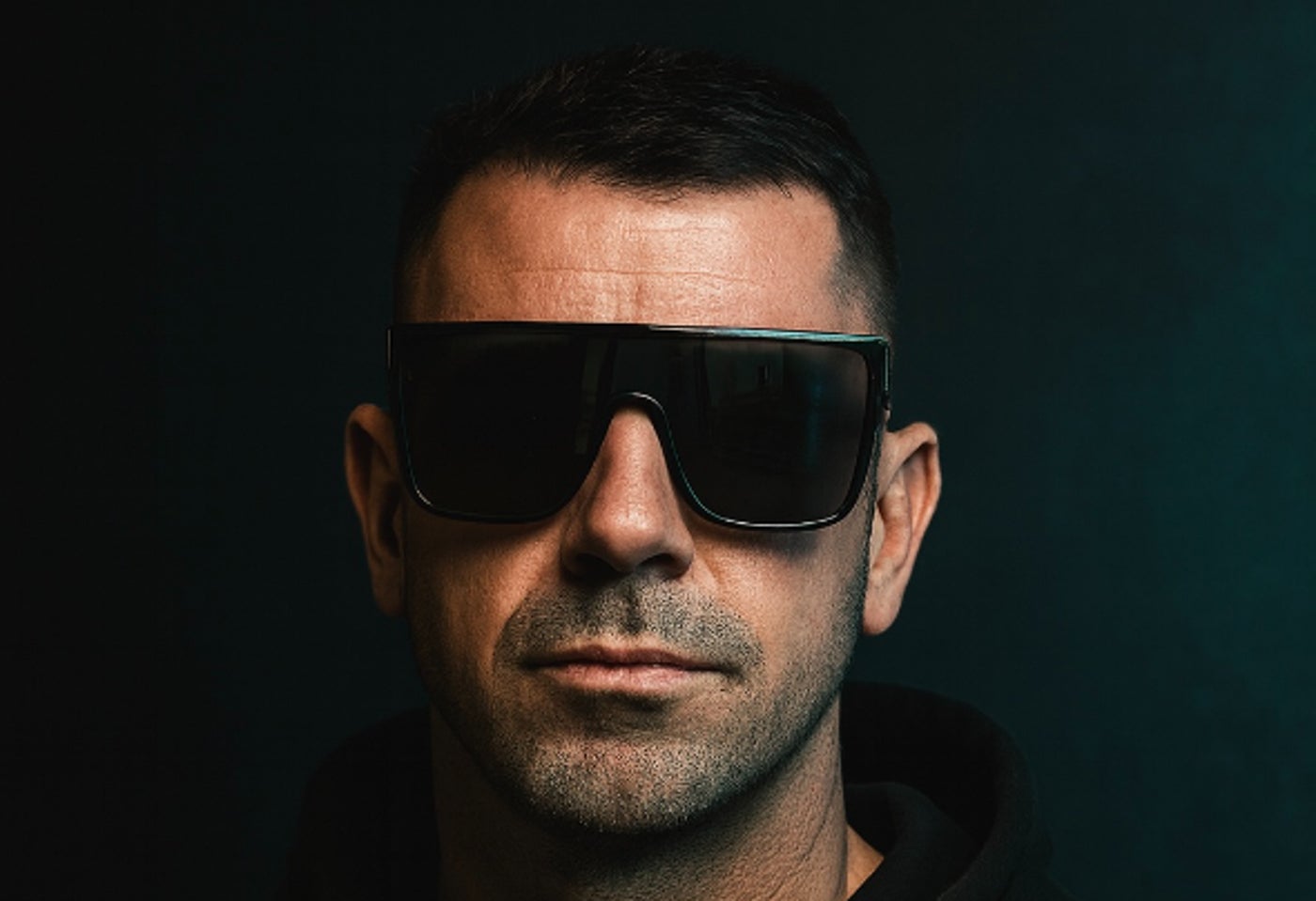
Orebeat is a producer associated with the contemporary breaks and bass continuum, moving within the club-focused end of the scene rather than outside it.
Raveart Records is a Spanish breakbeat label associated with the Andalusian scene and, more specifically, with Algeciras. In the available public traces, it appears not only as a record imprint but also as a platform connected to DJ activity, promotion and local event culture.
Its profile fits the long-running ecosystem of Iberian breakbeat that remained active after the first commercial peak of Spanish breaks. Rather than being tied to a single crossover moment, Raveart seems better understood as part of the infrastructure that kept the style circulating through digital releases, DJ networks and scene-facing channels.
The label is commonly described as breakbeat-focused, but its orbit appears broad enough to include adjacent rave and bass material. References in its own promo language suggest a catalogue comfortable with energetic club tracks, acid touches, old-school rave signals and contemporary breaks production.
That positioning matters in the Spanish context. In southern Spain, breakbeat developed not only as a genre but as a durable club language, with labels, promoters and DJs sustaining a distinct regional identity. Raveart Records belongs to that continuum more than to a purely archival or retrospective project.
Discogs listings indicate a substantial catalogue, which suggests sustained activity over time rather than a short-lived imprint. Even without fixing an exact founding year here, the available evidence points to a label with enough continuity to build a recognizable editorial line.
Artists linked in the available context include Linero, Welder B, Bubu and Orebeat, names that help sketch the label's range within modern Spanish breaks. These associations point toward a catalogue aimed at DJs and digital circulation as much as at broader listening audiences.
The release language visible in public snippets also hints at a practical, scene-driven workflow: promo mixes, catalogue codes and regular uploads through platforms such as YouTube and SoundCloud. That kind of presence is typical of independent breaks labels operating close to their audience rather than through large institutional channels.
Raveart's identity as both label and promoter is significant. In breakbeat culture, especially outside the biggest industry centers, labels often function as social hubs: they release tracks, organize nights, connect producers and keep a local network visible. Raveart appears to have played that kind of role.
Musically, it can be placed in the strand of post-2000s Spanish breakbeat that kept rave energy central while absorbing newer production habits. The mention of tracks such as Welder B's "Ufo Acid" reinforces the impression of a catalogue open to acid-rave coloration alongside more straightforward breaks dynamics.
Within a broader history of breakbeat, Raveart Records may not be one of the foundational UK-origin labels, but it is relevant as an example of how the culture was localized, maintained and renewed in Spain. Its importance lies in continuity, scene service and the preservation of a living dancefloor vocabulary.
For Optimal Breaks, the label is best read as part of the enduring Spanish breaks network: regional in base, club-oriented in function and committed to keeping breakbeat active beyond nostalgia cycles.