
Fresh
VIEW FULL PROFILE


Adam Freeland is an English DJ, producer and label head closely associated with the rise of breakbeat as a major club sound in the second half of the 1990s. He is one of the key…
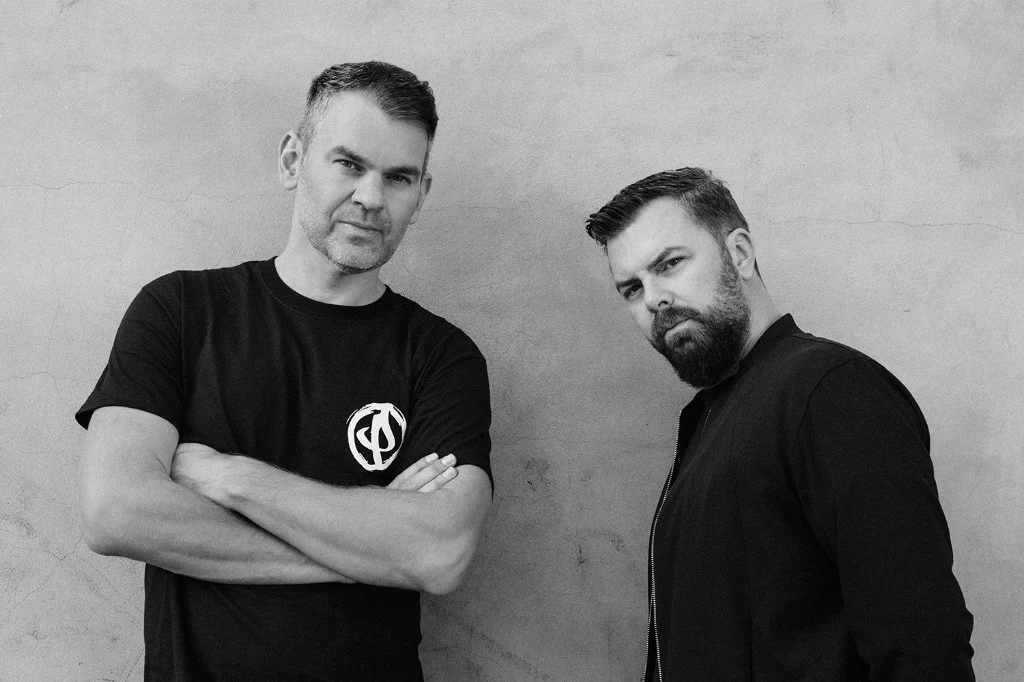
Stanton Warriors are a British DJ and production duo associated above all with the late-1990s and 2000s breakbeat revival. Built around Dominic Butler and Mark Yardley, the…
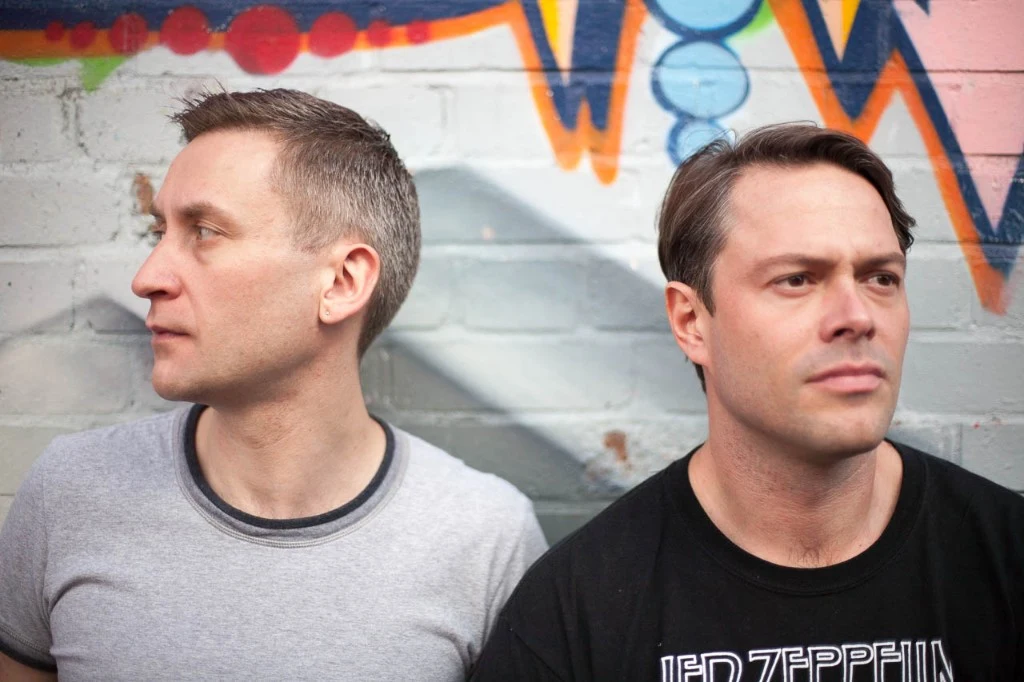
Plump DJs are a London-based British duo formed by Lee Rous and Andy Gardner, widely associated with the late-1990s and 2000s rise of breakbeat as a distinct club culture. In the…

Hyper is the main recording alias of British producer and DJ Guy Hatfield, a figure closely associated with the late-1990s and 2000s breakbeat boom in the UK. Emerging from Oxford…
Punks Recordings, often referred to in period usage simply as Punks, was a UK breakbeat label associated with the harder, club-facing end of the late-1990s and early-2000s breaks continuum. In scene memory it sits alongside labels that helped define the nu skool breaks moment, when breakbeat was being rebuilt for bigger systems, festival rigs and crossover dancefloors.
The label is closely linked to Fresh, whose Breakbeat Punk imprint is the clearest documented precursor in the available sources. That connection matters because it places Punks within a specific lineage: a strain of breakbeat that drew on rave pressure, bass weight and a rough-edged, punk-in-name-if-not-literal-punk-musically attitude.
Rather than presenting a soft or purely funky version of breaks, the label is generally associated with a more aggressive and high-impact sound. Its orbit overlaps with the period when breakbeat producers were borrowing energy from drum & bass, electro, hip-hop edits and big-room rave dynamics without fully collapsing into any one of those categories.
In practical DJ terms, Punks Recordings belongs to the era when 12-inch singles were still central to how breakbeat circulated. Labels of this type were built for club play: tracks with strong drops, heavy low end and enough personality to move between specialist breaks sets and more hybrid bass-driven selections.
Its catalogue is remembered in relation to the broader breakbeat network that included labels such as TCR, Finger Lickin', Botchit & Scarper, Marine Parade, Distinctive and others active around the same circuit. Punks occupied a tougher flank within that ecosystem, helping to keep the music connected to rave intensity rather than smoothing it into background funk.
The strongest historically grounded point in the available evidence is its relationship to Breakbeat Punk and, through that, to the later formation of Breakbeat Kaos. Sources on Breakbeat Kaos describe it as emerging from the merger of Fresh's Breakbeat Punk with Adam F's Kaos Recordings, which makes Punks Recordings part of the prehistory of a label that would become much better known in drum & bass.
That later development also helps explain why Punks can be discussed across genre boundaries. While rooted in breakbeat culture, its lineage feeds directly into a bass music story that touches drum & bass and the harder end of UK club music more broadly. It is one of those imprints whose significance lies not only in individual records but in the bridge it forms between scenes.
Because documentation around the label is patchier than for some of its contemporaries, it is safer to describe its role in broad but meaningful terms. Punks Recordings functioned as a channel for forceful, DJ-led breakbeat at a time when the style was expanding beyond niche status and developing a recognisable international identity.
For listeners tracing the history of nu skool breaks, the label represents a strand that favoured impact over polish. Its records are typically recalled less as crossover pop artefacts than as tools for peak-time sets, pirate-radio-adjacent energy and the rougher edge of turn-of-the-century breakbeat culture.
Its legacy is therefore tied to scene infrastructure as much as to branding. Punks Recordings helped map out a route from late-1990s breakbeat experimentation toward the heavier bass-led hybrids that would shape UK dance music in the following decade, and it remains a useful reference point when discussing the harder side of the breaks revival.