
Spain
BreakbeatBreaksNu Skool Breaks
AMNEXIAC
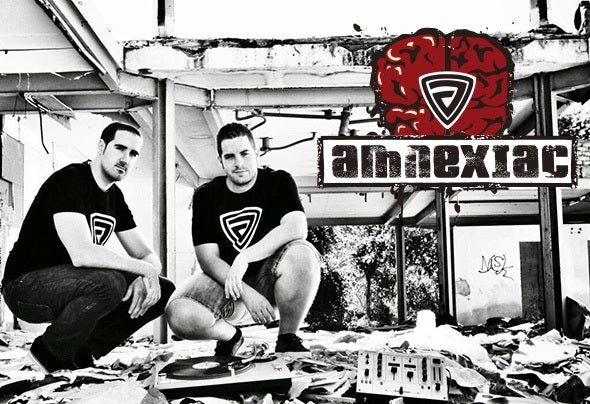
Amnexiac is a Spanish breaks project associated with the post-2000 phase of Iberian breakbeat culture. Active since the early 2000s, the act sits in the lane where club-focused…
BEATPORT TOP — 10 TRACKS

Amnexiac is a Spanish breaks project associated with the post-2000 phase of Iberian breakbeat culture. Active since the early 2000s, the act sits in the lane where club-focused…
Pijamastep is a Spanish electronic label associated with breakbeat and adjacent bass styles. The available evidence places it within the Iberian strand of post-2000s break culture, where breaks, UK bass pressure and club-focused low-end hybrids often coexist rather than sit in rigid genre boxes.
Its public profile appears to have been built through digital releases and platform-based circulation rather than through a widely documented vinyl-era catalogue. In that sense, it fits a generation of independent labels that used SoundCloud, download stores and streaming services as their main editorial space.
The label is described in its own social media presence as being based in Spain, which is consistent with the long-running strength of Spanish breakbeat scenes and with the way local labels have often connected Andalusian and wider national club networks to broader bass music currents.
Musically, Pijamastep seems to operate around breakbeat, UK bass and related hybrid forms. Some of the material linked to the label points toward 140-BPM territory, while other releases suggest a broader interest in raw, club-led productions that draw from trap, bass and modern breakbeat language.
Artists such as Amnexiac and Knowtylus are among the clearest names associated with the imprint from the available sources. That combination suggests a label identity rooted less in a single orthodox formula than in a shared taste for hard-edged rhythmic programming, bass weight and crossover energy between breaks and contemporary soundsystem-informed styles.
Among the releases that can be linked with reasonable confidence are Amnexiac tracks such as "Right Up" and "The Wall", as well as Knowtylus' "Selegna Sol". These titles point to a catalogue aimed at DJs and digital listeners moving between breakbeat, UK bass and heavier festival or club mutations.
Pijamastep's role is best understood as that of a niche scene platform rather than a mass-market imprint. Labels of this type often matter because they provide continuity: they give producers a home, keep local and translocal networks active, and help newer bass hybrids circulate inside breakbeat-facing communities.
Even with limited historical documentation, the label reflects an important reality of the 2010s and after: breakbeat culture did not disappear, but kept mutating through smaller digital imprints that absorbed influences from trap, bass music and UK-rooted club forms while maintaining a clear rhythmic allegiance to breaks.
The currently available evidence also suggests that Pijamastep has remained active in a digital editorial sense, with releases and platform traces extending into recent years. That makes it a useful reference point for the later, online-native phase of Spanish breakbeat and bass publishing.
Within the memory of the scene, Pijamastep belongs to the layer of labels that may be modest in scale but are meaningful in function: connectors between producers, DJs and listeners working in the overlap between breakbeat tradition and newer bass mutations.