
Omni Trio
VIEW FULL PROFILE


Foul Play were a key UK production collective in the period when rave and breakbeat hardcore were mutating into jungle. Their records from the early 1990s sit at the point where…

LTJ Bukem is one of the defining architects of the deeper, more atmospheric end of UK breakbeat culture. Emerging from London during the transition from rave and hardcore into…
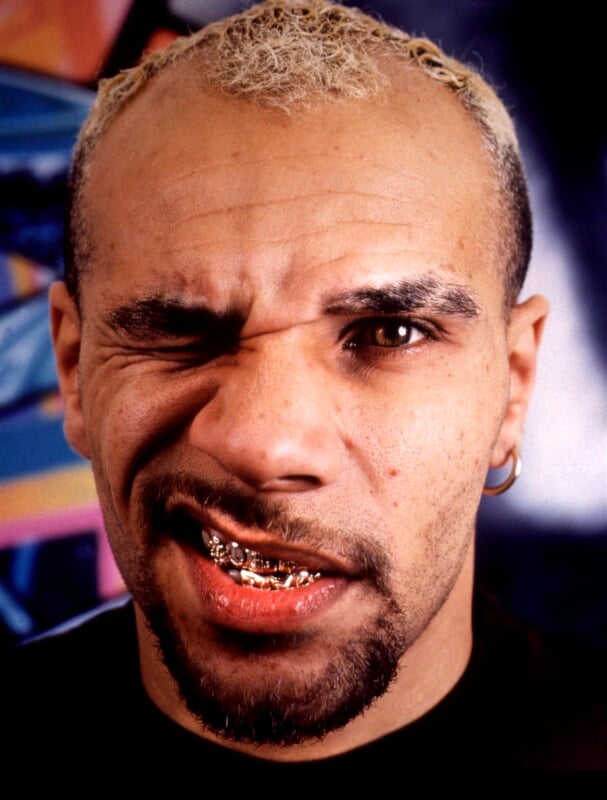
Goldie is one of the defining figures in the transition from hardcore rave into jungle and drum & bass. As a producer, DJ, label head and cultural personality, he helped move the…
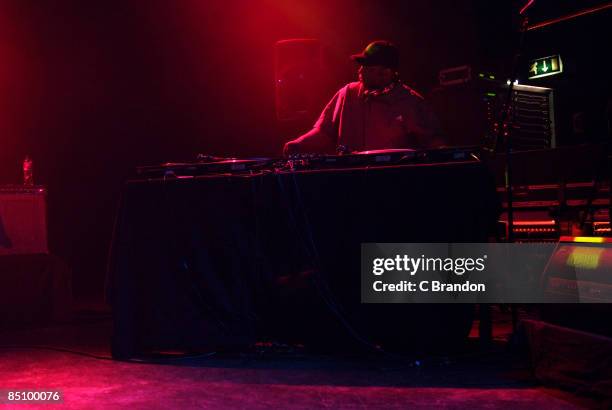
4hero is the long-running London project most closely associated with Marc Mac and Dego, producers whose work helped redraw the map of British black electronic music from hardcore…
Moving Shadow was one of the defining UK labels in the transition from breakbeat hardcore into jungle and then drum & bass. Founded by Rob Playford, it became a key platform for music that treated breakbeat science, bass pressure and futurist atmosphere as a coherent label identity rather than a loose club trend.
Its roots sit in the early 1990s, at the point where rave culture was splintering into more specialized forms. Moving Shadow was there early enough to document the shift from hardcore energy and chopped breaks toward the darker, more technical and more system-oriented language that would shape jungle and drum & bass through the decade.
The label is strongly associated with England and with the wider network of UK pirate radio, specialist record shops, dubplate culture and DJ-led circulation that helped define the era. In that sense, its importance was not only in individual records but in helping establish a durable infrastructure and aesthetic for the music.
Sonically, Moving Shadow covered a broad but recognisable spectrum: hardcore-derived breakbeat, early jungle, atmospheric drum & bass, techstep-adjacent pressure and sleek late-1990s drum & bass aimed as much at home listening as at the club. Even when the catalogue moved between moods, there was usually a clear emphasis on detailed drum programming, strong low end and a forward-looking studio sensibility.
A number of major artists are closely tied to the label's history. Omni Trio helped define its more melodic and atmospheric side, while producers such as Foul Play, Hyper-On Experience, Blame, Flytronix, Dom & Roland and E-Z Rollers each marked different phases of the catalogue. Taken together, those names show how Moving Shadow could accommodate both rave-rooted intensity and more refined, album-oriented drum & bass.
Its discography includes key singles from the formative years as well as a substantial album catalogue. Releases by Omni Trio, Hyper-On Experience and Foul Play are regularly cited in discussions of the label's early identity, while later full-lengths by Flytronix, Dom & Roland and E-Z Rollers helped map the expansion of drum & bass into a mature LP format.
Within breakbeat history, Moving Shadow matters because it preserved a direct line from hardcore's chopped rhythms into jungle's rhythmic complexity and then into drum & bass as a distinct culture. It was not a big beat label and not a UK garage imprint; its contribution lies more specifically in the breakbeat continuum that runs through rave, jungle and bass-heavy soundsystem music.
The label also developed a strong visual and editorial identity. Its sleeves, logos and presentation became part of the mythology around 1990s drum & bass, reinforcing the sense that Moving Shadow releases belonged to a curated world rather than a purely functional stream of club records.
By the late 1990s and early 2000s, as drum & bass diversified into multiple substyles, Moving Shadow remained a reference point for listeners who valued both technical precision and scene history. Different phases of the catalogue appeal to different audiences, but the label's name consistently signals a serious engagement with the music's evolution.
Its legacy is especially strong among DJs, collectors and listeners tracing the architecture of UK breakbeat culture. Moving Shadow is remembered not simply as a successful imprint, but as one of the labels that helped define what jungle and drum & bass could sound like, look like and mean across the 1990s and beyond.