Marine Parade is a UK independent label closely associated with Adam Freeland and with the late-1990s to 2000s breakbeat continuum. In the broad map of club music, it became one of the clearest homes for the strand often described as progressive breakbeat, nu skool breaks and bass-heavy crossover electronics.
Founded by Freeland in 1998, the label emerged at a moment when breakbeat was being retooled for a post-big beat landscape: tougher in low end, more detailed in sound design, and often more comfortable moving between club functionality and album-minded listening. Marine Parade helped define that shift.
Its catalogue is commonly linked to the UK scene, but its reach was wider than a narrowly local identity. The label sat in dialogue with electro, techno, hip-hop pressure, cinematic downtempo and the heavier end of bass music, which gave it a profile that travelled well across DJ culture in Europe, North America and beyond.
A recurring Marine Parade signature was a polished but forceful production style: broken beats with strong sub-bass, sharp edits, sci-fi atmospheres and a taste for dramatic arrangement. Even when releases leaned toward electro or leftfield territory, the rhythmic logic remained rooted in sounds built for adventurous dancefloors.
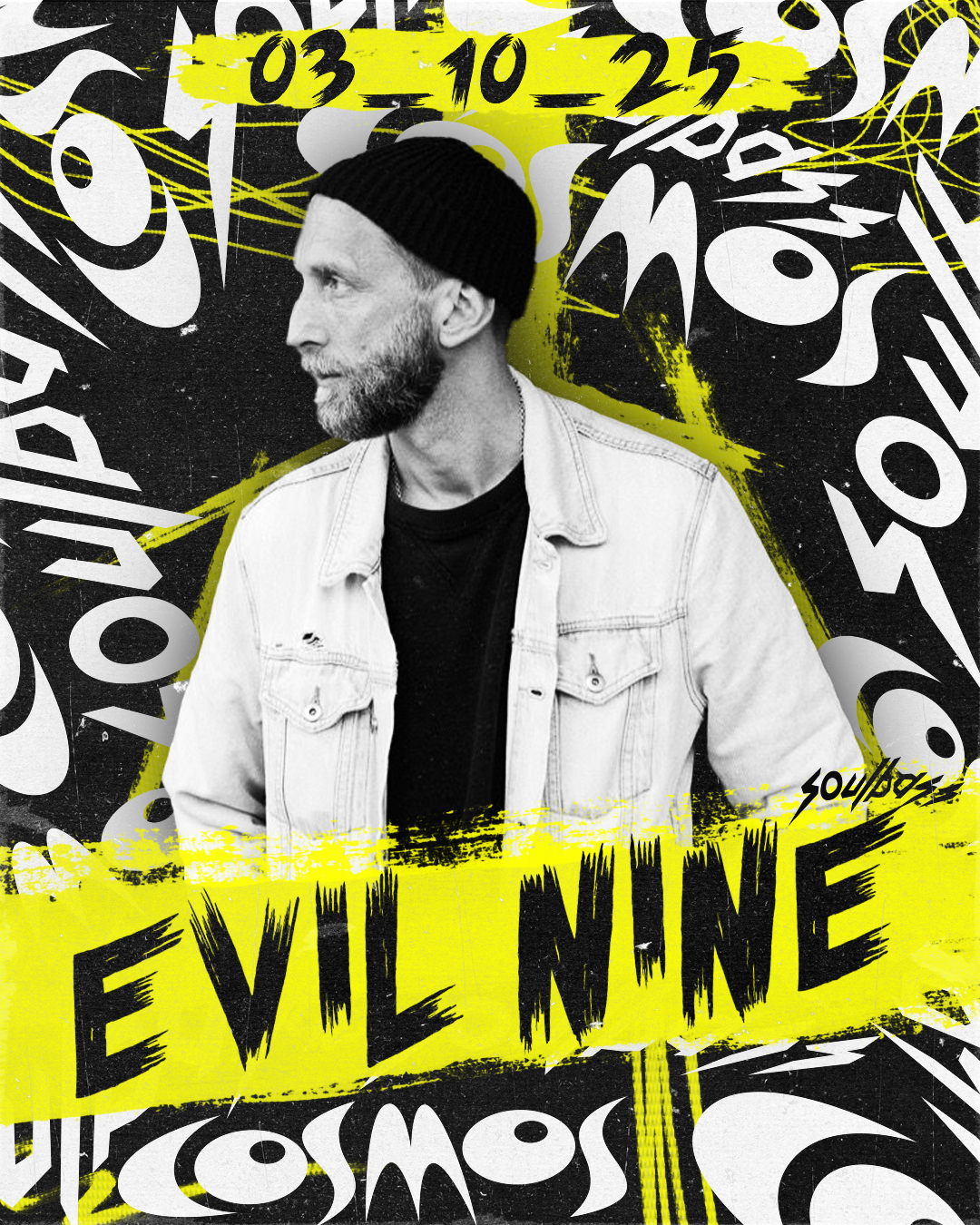
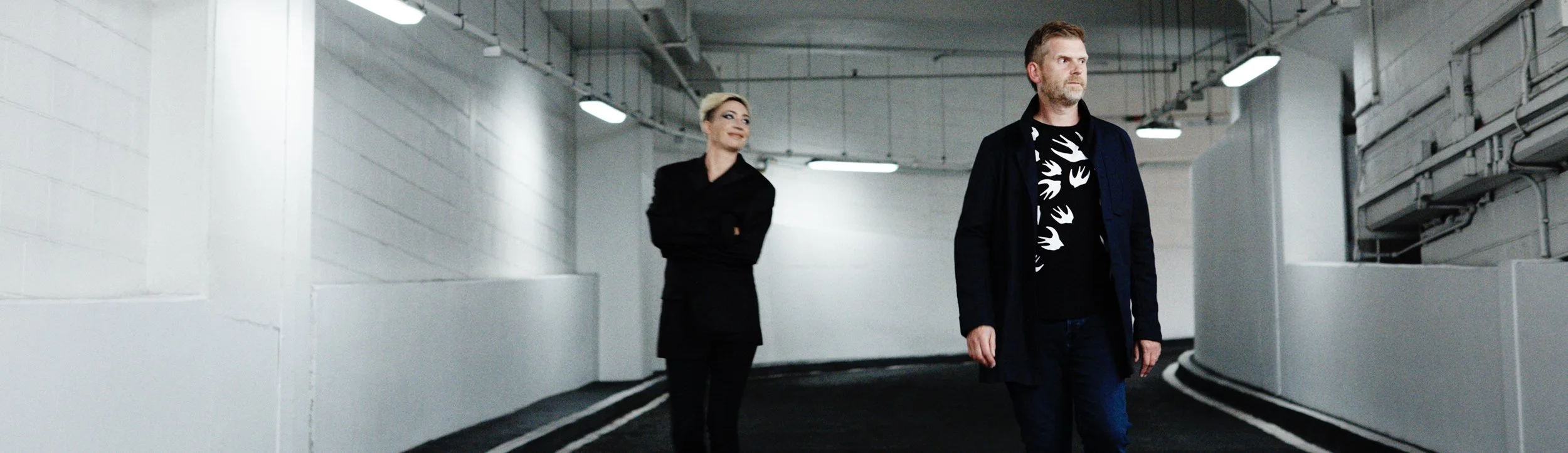
Adam Freeland's own work was central to the imprint's identity, both as a producer and as a curator of a wider circle. Around him, Marine Parade became a regular outlet for artists such as Evil Nine, Ils, Infusion, Alex Metric and other producers working in adjacent breakbeat and bass idioms.
Representative titles often cited around the label include Tsunami One + BT's "Hip Hop Phenomenon," Apex's "Bangin'," Adam Freeland's "Tectonics," and later releases by Evil Nine and Alex Metric. Taken together, they show the label's arc from late-1990s breakbeat energy toward a broader 2000s hybrid of breaks, electro and bass-driven club music.
Marine Parade also mattered because it gave breakbeat a durable editorial frame at a time when the style was frequently treated as a loose DJ tool rather than a coherent label culture. Its releases, artwork and sequencing helped present the sound as a serious, evolving field rather than a short-lived trend.
In relation to the wider breakbeat family, the label occupies an important position between big beat's mainstream afterglow and the more technical, futurist language of nu skool breaks. It was not a jungle label, nor a UK garage imprint, but it shared with those scenes a commitment to low-end impact, rhythmic invention and soundsystem logic.
As the 2000s progressed, Marine Parade's orbit expanded toward electro-house, indie-dance crossover and other hybrid forms without entirely abandoning its breakbeat foundations. That flexibility is part of why the label remains a useful reference point when tracing how breaks culture fed into later bass and crossover club music.
Its legacy rests less on a single anthem than on a sustained curatorial role. For many listeners and DJs, Marine Parade was one of the labels that made turn-of-the-millennium breakbeat feel like a complete ecosystem: club tracks, artist records, crossover experiments and a recognizable sonic worldview under one banner.
Within the memory of the scene, Marine Parade is regularly cited as one of the key imprints of the nu skool breaks era. It helped connect specialist breakbeat audiences with a wider electronic public, and its catalogue still maps an important chapter in the evolution of UK-led bass music after the first big beat wave.