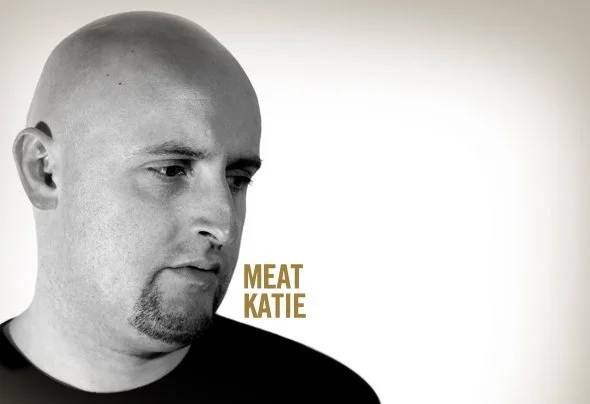
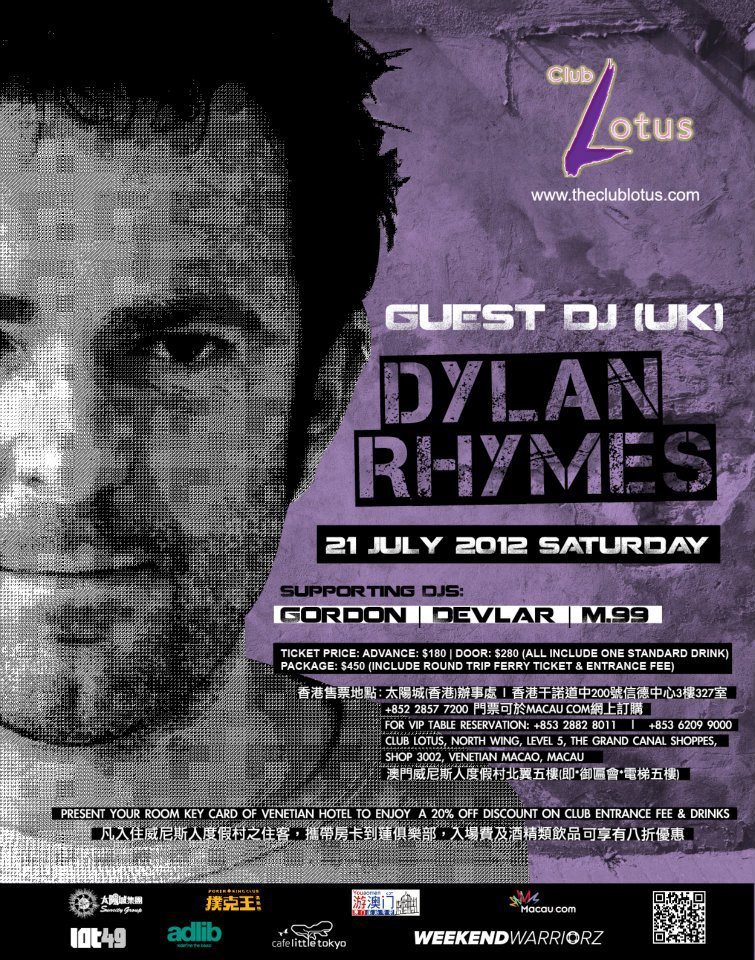
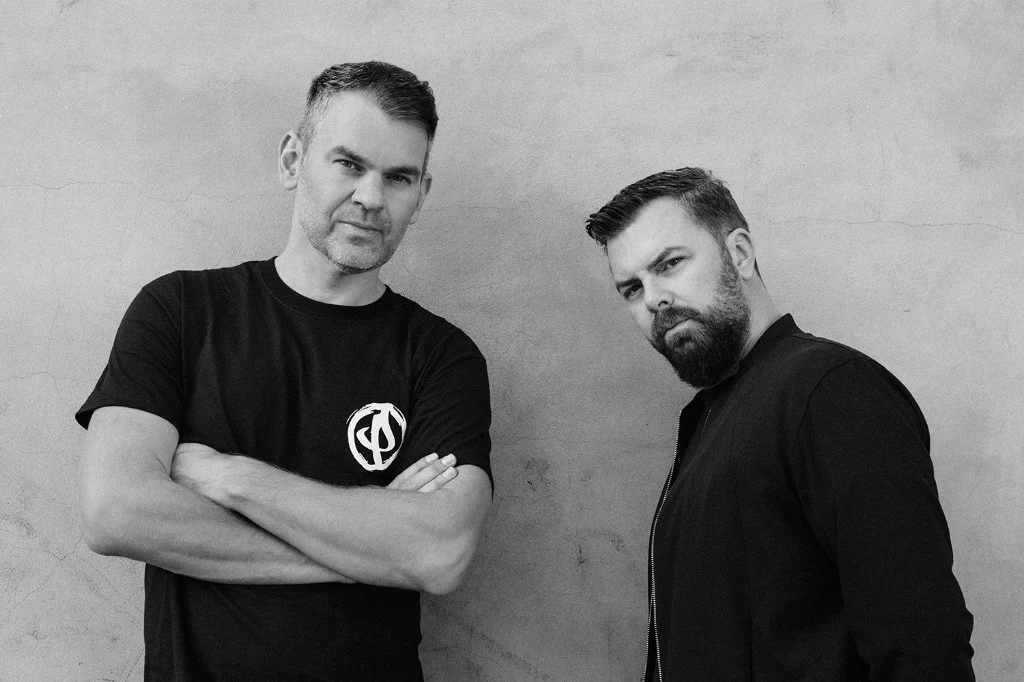
Lot49 was a UK breakbeat label closely associated with the mid-2000s tech-funk and electro-breaks continuum. Run by Meat Katie and Dylan Rhymes, it became one of the key imprints for a strand of club music that sat between breakbeat pressure, electro grit and a darker, DJ-focused sense of groove.
Its name is commonly linked to Thomas Pynchon's The Crying of Lot 49, and the label emerged during a period when the breakbeat scene was reorganising after the commercial peak of big beat. In that climate, Lot49 helped define a tougher and more streamlined sound aimed squarely at clubs, specialist DJs and crossover bass floors.
The label's main period of activity belongs to the 2000s, when tech-funk had become a recognisable language across UK and international breaks culture. Rather than chasing pop visibility, Lot49 built its identity through 12-inch singles, DJ tools, remixes and compilations that circulated strongly in club networks.
Sonically, the catalogue is usually associated with sharp-edged breakbeats, electro-house influence, low-slung basslines and a polished but hard-wearing production style. Many releases balanced funk mechanics with darker atmospheres, making the label a natural meeting point for breakbeat DJs who also played electro, progressive and bass-heavy house.
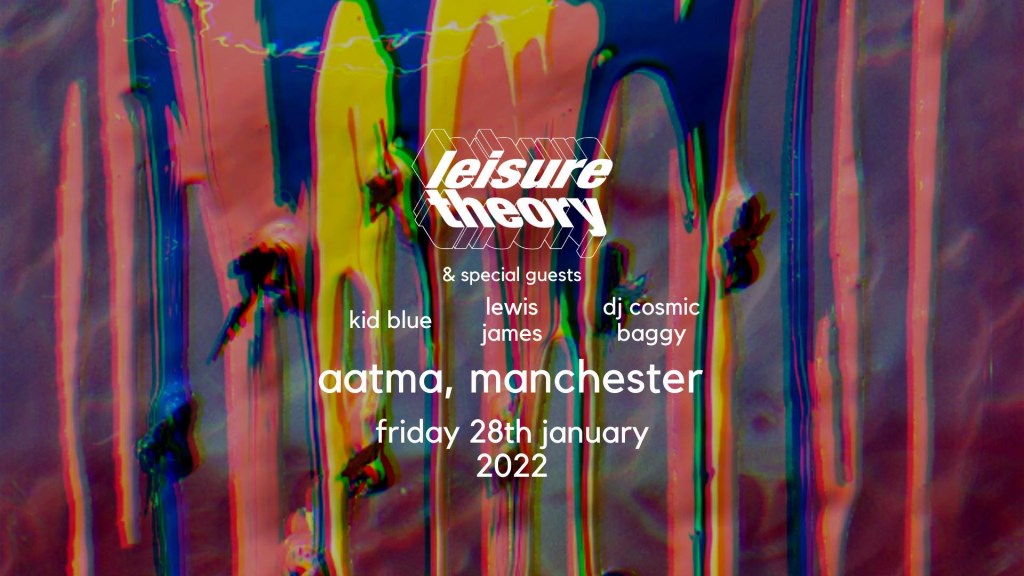
Meat Katie and Dylan Rhymes were central to that identity, both as label operators and as artists shaping its direction. Around them, Lot49 became a regular outlet for figures such as Elite Force, Dopamine, Lee Coombs, Vandal and Kid Blue, alongside a wider circle of producers working in adjacent tech-funk territory.
Its mix and compilation series also helped frame the label as more than a singles outlet. Titles such as Lot49 Presents Elite Force and Lot49 Presents Lee Coombs documented the wider DJ ecosystem around the imprint, showing how its sound functioned in the club rather than only on individual records.
Within breakbeat history, Lot49 belongs to the phase where the scene moved away from the sample-heavy swagger of late-1990s crossover breaks and toward a leaner, more engineered club sound. It was part of a broader network of labels and artists that kept breakbeat viable in specialist spaces by connecting it to electro-house, tech-house energy and bass-driven dancefloor logic.
That role gave the label a particular importance for DJs looking for tracks that could bridge scenes. Lot49 records often worked as connectors between breaks sets, electro sets and more progressive peak-time programming, which helped the imprint travel beyond a narrowly defined genre audience.
The label is generally regarded as a significant document of the tech-funk era and of Meat Katie and Dylan Rhymes' curatorial vision. Even where individual releases are remembered differently across local scenes, the broader Lot49 identity remains tied to a precise moment in UK club culture when breakbeat was being retooled for a new decade.
Although its original run is commonly described as having ended, Lot49 retains a clear place in the memory of 2000s breaks culture. Its catalogue still points to a period when breakbeat labels could act as hubs for a whole DJ language: functional, futuristic and built for dark rooms with serious sound systems.