Kaleidoscope Music is a US breaks label closely associated with Huda Hudia and the Southern club-oriented end of the American breakbeat scene. Its catalogue sits in the lane where funky breaks, electro-leaning bass pressure and DJ-friendly party tracks meet, with a clear focus on dancefloor utility rather than crossover branding.
Available discographic references place the label's start in the mid-1990s, with 1996 commonly cited as its launch point. That timing matters: it places Kaleidoscope Music in the period when US breakbeat was developing its own regional identity, distinct from UK big beat or nu skool breaks, and especially tied to club circuits in the Southeast.
The label is best understood as a home base for Huda Hudia's own productions and collaborations. In that sense it functioned not just as a record imprint, but as a practical platform for a network of DJs and producers working in a compatible style and serving a shared dancefloor culture.
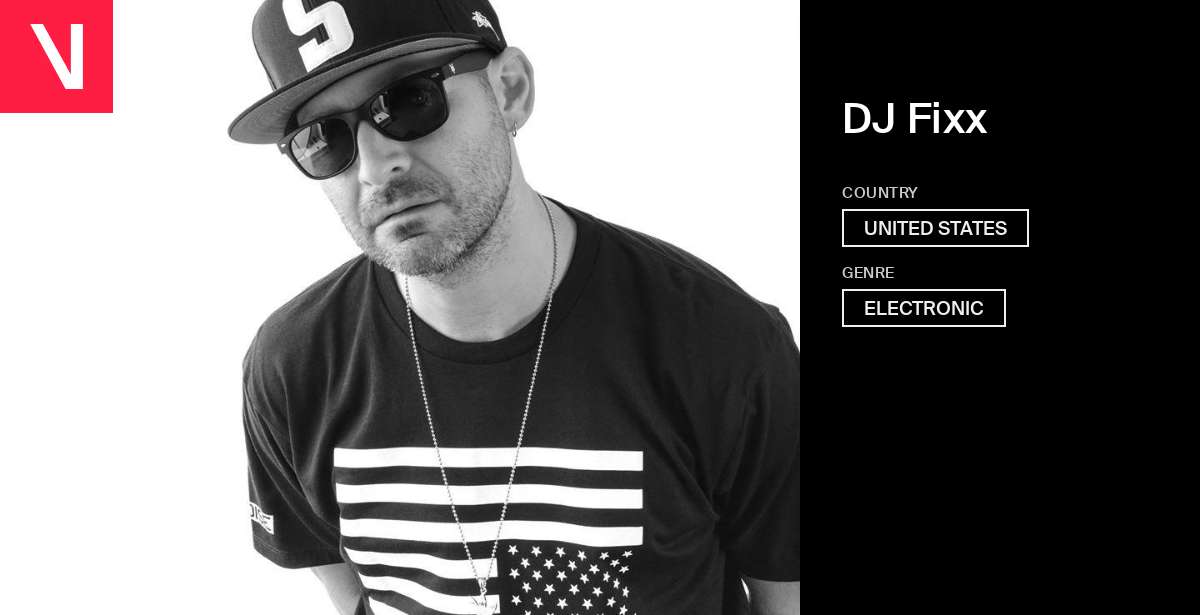
Key names regularly associated with the imprint include DJ Fixx, DJ Who and DJ Volume, alongside Huda Hudia himself. Those links point to a roster built less around one-off prestige signings than around a durable scene infrastructure: producers, remixers and selectors whose records circulated through specialist shops, DJ bags and later digital stores.
Sonically, Kaleidoscope Music is linked to the strain of American breaks that favors punchy low end, cut-up vocals, electro touches and a direct club feel. Even when production trends shifted from vinyl-era programming to cleaner digital-era sonics, the label's identity remained tied to functional, high-energy tracks made for mixing and peak-time reaction.
The label's early pace appears to have been relatively modest before activity expanded later on. That arc fits a number of independent dance imprints of the period: a slow vinyl-led beginning, followed by broader visibility as the US breaks market matured and digital distribution opened the catalogue to a wider audience.
Within breakbeat history, Kaleidoscope Music belongs to the ecosystem that helped sustain American breaks as a living DJ culture rather than a short-lived trend. It was part of the network of labels that gave regional scenes a recorded identity and allowed local sounds to travel between cities, promoters and specialist radio or mix channels.
Its importance is therefore not only in individual tracks, but in continuity. Labels of this kind helped maintain a usable repertoire for working DJs, supported recurring artist relationships and documented a strand of breaks that remained distinct from UK hardcore lineage, even while sharing some rhythmic DNA with electro, bass music and later festival-oriented breakbeat.
Representative releases and artist pairings associated with the imprint point to a catalogue aimed squarely at the floor: Huda Hudia cuts, DJ Fixx material and collaborative records that reinforced the label's role as a dependable outlet for US breaks. The emphasis was less on album statements than on singles and club tools.
For listeners mapping the history of breakbeat beyond the UK, Kaleidoscope Music is a useful reference point. It captures a specifically American, club-tested approach to breaks and reflects the long-running contribution of Huda Hudia and his circle to the sound, infrastructure and memory of the scene.