
Breakbeat Era
VIEW FULL PROFILE

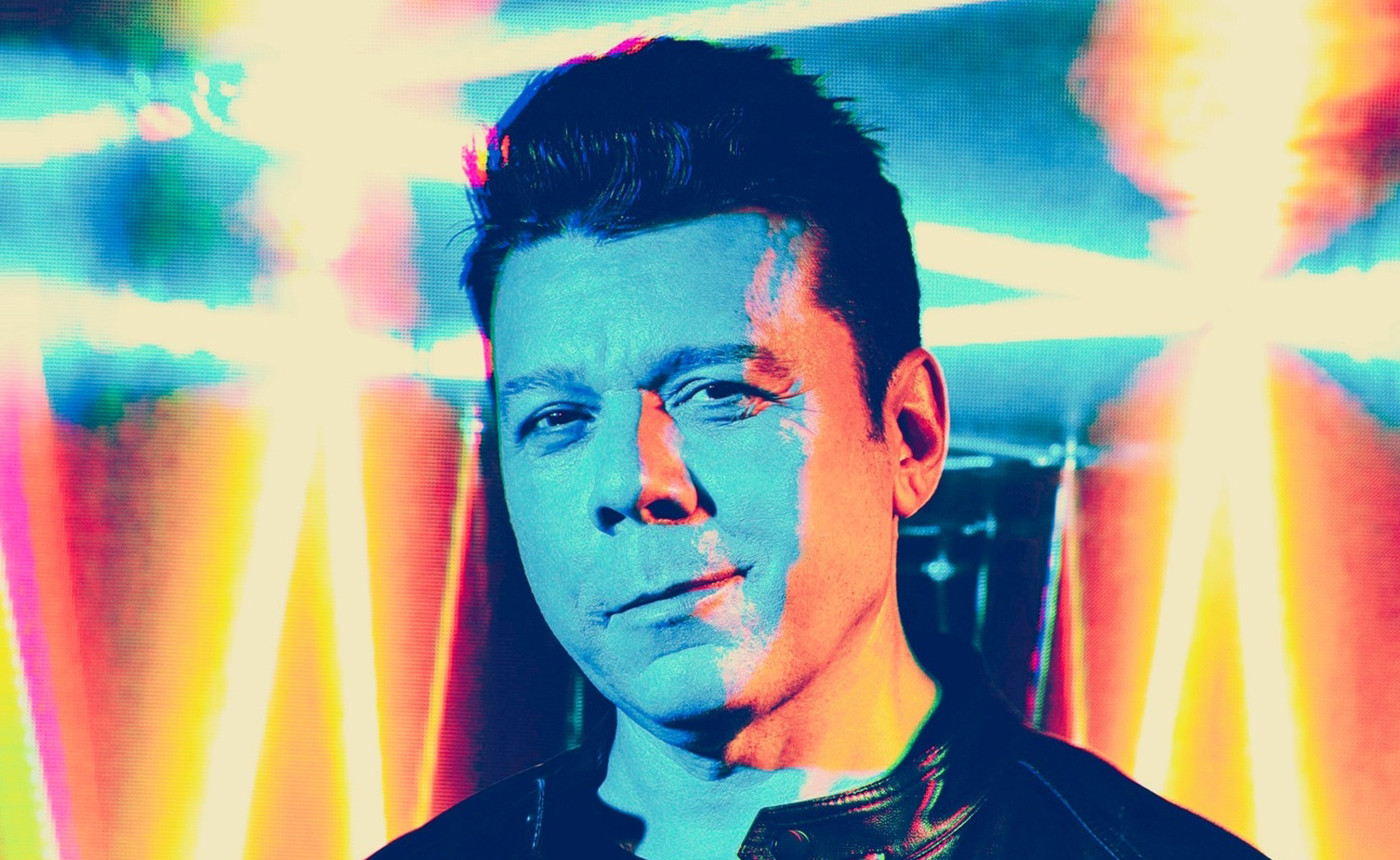
The Crystal Method is an American electronic act formed in the early 1990s by Ken Jordan and Scott Kirkland. Emerging from Las Vegas before becoming closely associated with the…

Liars are an experimental rock group formed in Brooklyn in 2000, long associated with the restless edge of New York's post-punk revival while never sitting comfortably inside it.…
Interscope Records is a major American label whose core identity sits in mainstream rap, pop and alternative music rather than in breakbeat culture itself. Even so, its scale and distribution power occasionally intersected with adjacent electronic scenes, including releases that touched big beat, breakbeat and bass-oriented crossover territory.
Founded in the early 1990s, Interscope emerged during a period when the boundaries between rock, hip-hop and electronic music were becoming more porous in the commercial market. Its catalogue was never defined by UK breakbeat in the way that specialist imprints were, but the label became part of the wider infrastructure through which some hybrid electronic records reached a broader audience.
For readers coming from the breakbeat side, Interscope matters less as a scene-defining imprint than as a major-label platform that, at certain moments, handled artists and projects connected to the late-1990s boom in breakbeat-inflected crossover music. That role places it on the periphery of the story rather than at its underground center.
One of the clearest links is Breakbeat Era, the project associated with Roni Size, DJ Die and Leonie Laws. Their album Ultra-Obscene is commonly associated with the label in the US market, illustrating how Interscope could function as a channel for music rooted in UK soundsystem culture, drum & bass energy and breakbeat experimentation when those sounds had wider commercial visibility.
That connection should be understood in context. Interscope was not a dedicated jungle, drum & bass or breaks label, and it did not build a sustained editorial identity around those forms. Instead, it occasionally absorbed or distributed releases whose sound sat near the edges of its broader alternative and crossover strategy.
This distinction is important because the label's history belongs primarily to the machinery of the American major-label system. Its significance in breakbeat-related history comes from selective points of contact: records that travelled across markets, licensing arrangements, and moments when club-derived music was repackaged for larger retail and media circuits.
In sonic terms, the material relevant to Optimal Breaks tends to involve harder-edged electronic hybrids: breakbeat-driven rhythms, drum & bass pressure, rock-adjacent production, and the kind of late-1990s crossover logic that also helped big beat and related styles circulate beyond specialist shops and clubs. Interscope's role here was infrastructural more than curatorial.
Because of that, the label is best read as a useful contextual node rather than a canonical breaks imprint. It helps explain how underground-rooted sounds could move into mainstream channels without the label itself becoming a central author of the scene's aesthetics.
Its broader legacy is therefore double-sided. In general music history, Interscope is a major commercial label with a vast catalogue and long institutional reach. In breakbeat and adjacent bass culture, it is remembered mainly for specific releases and market pathways that connected specialist UK-derived sounds to a larger international audience.
For an archive focused on breakbeat, Interscope belongs in the conversation as a crossover conduit: not a foundational scene label, but a significant example of how major-label structures occasionally intersected with the culture, especially during the period when electronic break-driven music briefly had stronger visibility in the mainstream.