Illeven Eleven is a Chicago breakbeat label associated with the US breaks continuum that ran from Florida electro-funk revivalism into heavier club-focused bass music. In scene terms, it sits in the lane of labels that kept American breakbeat active through the 2000s and beyond, with a catalogue built for DJs rather than crossover branding.
Available sources consistently place the label in Chicago and connect its launch to the mid-2000s. A 2004 foundation date appears in industry-facing material, while the label's own profile frames 2005 as the point from which it became a dedicated home for breakbeat. Taken together, that suggests an early-to-mid-2000s start and a clear identity formed around the US breaks circuit.
Its editorial line is rooted in breakbeat, but not in a narrow sense. Illeven Eleven has also moved through bass music, electro-leaning club tracks and adjacent sounds that fit North American DJ culture, especially the strand where breaks, party-rocking vocals and low-end pressure coexist.
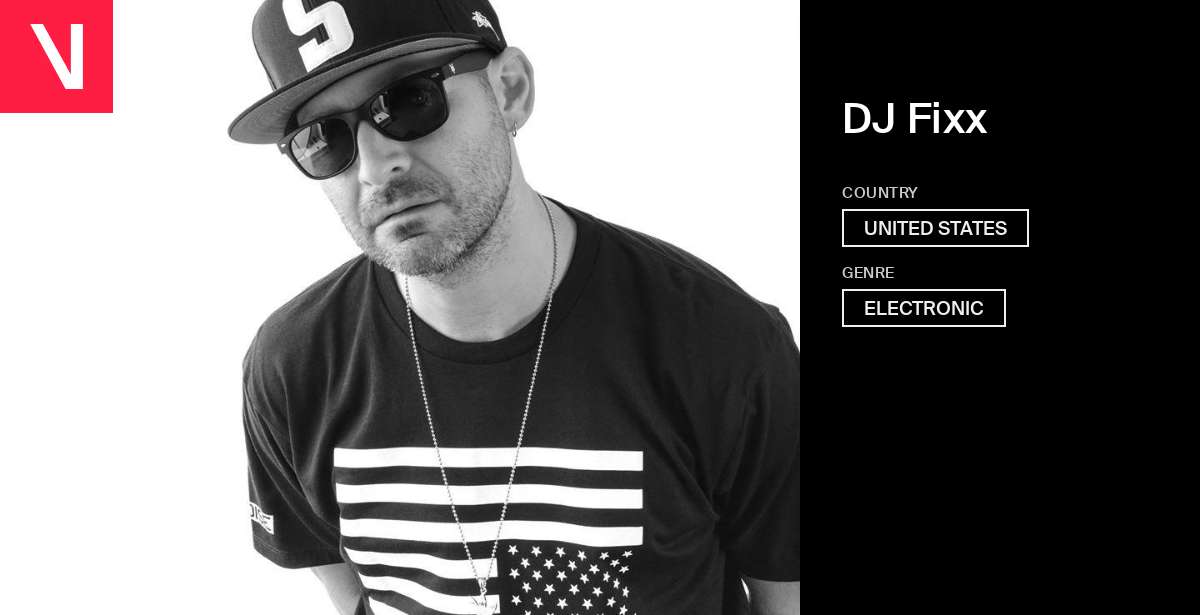
The label is strongly linked with Keith Mackenzie, one of the most recognisable names in US breakbeat, and with artists from the same orbit such as DJ Fixx, Sporty-O and Whiskey Pete. Those associations place it inside a practical network of producers and DJs who helped sustain the sound in clubs, on specialist radio and in digital stores after the peak years of physical breaks distribution.
Rather than being defined by one canonical release series alone, Illeven Eleven seems to have functioned as a reliable outlet for singles, remixes and club tools. That matters in breakbeat history: many labels in the style were less about album-era narratives than about keeping DJs supplied with new rollers, vocal cuts and peak-time material.
Its catalogue is commonly described as breakbeat-first, but the surrounding ecosystem includes drum & bass, dubstep and bass-heavy crossover traffic. That does not make it a genre-neutral imprint; instead, it reflects how US breaks labels often operated in conversation with neighbouring scenes while still maintaining a recognisable rhythmic identity.
Chicago is an important part of the story. Although American breakbeat is often narrated through Florida, West Coast electro or broader EDM channels, Illeven Eleven shows how the sound also had durable infrastructure in other cities. In that sense, the label belongs to a wider map of regional scenes connected by touring DJs, online shops and digital distribution.
The label's continued online presence suggests an imprint that has remained active in some editorial sense, even as the market shifted from vinyl-led specialist culture to download platforms and streaming-era visibility. Its presence on platforms such as SoundCloud, Beatport and social media fits that transition from classic breaks label model to a more flexible digital-era operation.
For Optimal Breaks, Illeven Eleven is notable less as a mythologised institution than as a working scene label: one of the imprints that helped keep US breakbeat circulating after the genre's commercial high-water mark. Its value lies in continuity, DJ utility and its connection to artists who remained committed to the form.
That makes Illeven Eleven a useful reference point for understanding post-2000 American breakbeat culture: regional but connected, stylistically focused but open to adjacent bass forms, and built around the practical needs of club music rather than prestige narratives.