Hot Cakes is a UK label closely associated with Deekline and the crossover zone between breakbeat, bass music, ragga-influenced club tracks and party-minded sounds built for DJs. In the wider breakbeat map, it sits in the lineage that connects late big beat energy, nu skool breaks technique and the more hybrid bass culture that took shape across the 2000s and 2010s.
The label is commonly linked to Deekline's orbit, and its catalogue reflects that network clearly. Rather than presenting a narrow single-genre identity, Hot Cakes became a platform for records that moved between breaks, bassline pressure, jungle references, UK urban vocals, dancehall flavour and festival-ready low-end music.
Its most visible period appears to belong to the digital era, although it also has vinyl presence in its catalogue. That combination is important: Hot Cakes belongs to the generation of labels that carried breakbeat culture forward after the peak years of the classic 12-inch market, adapting it to download stores, DJ charts and a more fluid bass ecosystem.
Sonically, the label is best understood through impact and function. Its releases often favour heavyweight drums, direct hooks, MC or vocal features, and a soundsystem sensibility that can work across breaks sets, bass-heavy club rooms and crossover festival lineups. Ragga vocals, UK street energy and a pragmatic DJ-tool mentality recur throughout the catalogue.
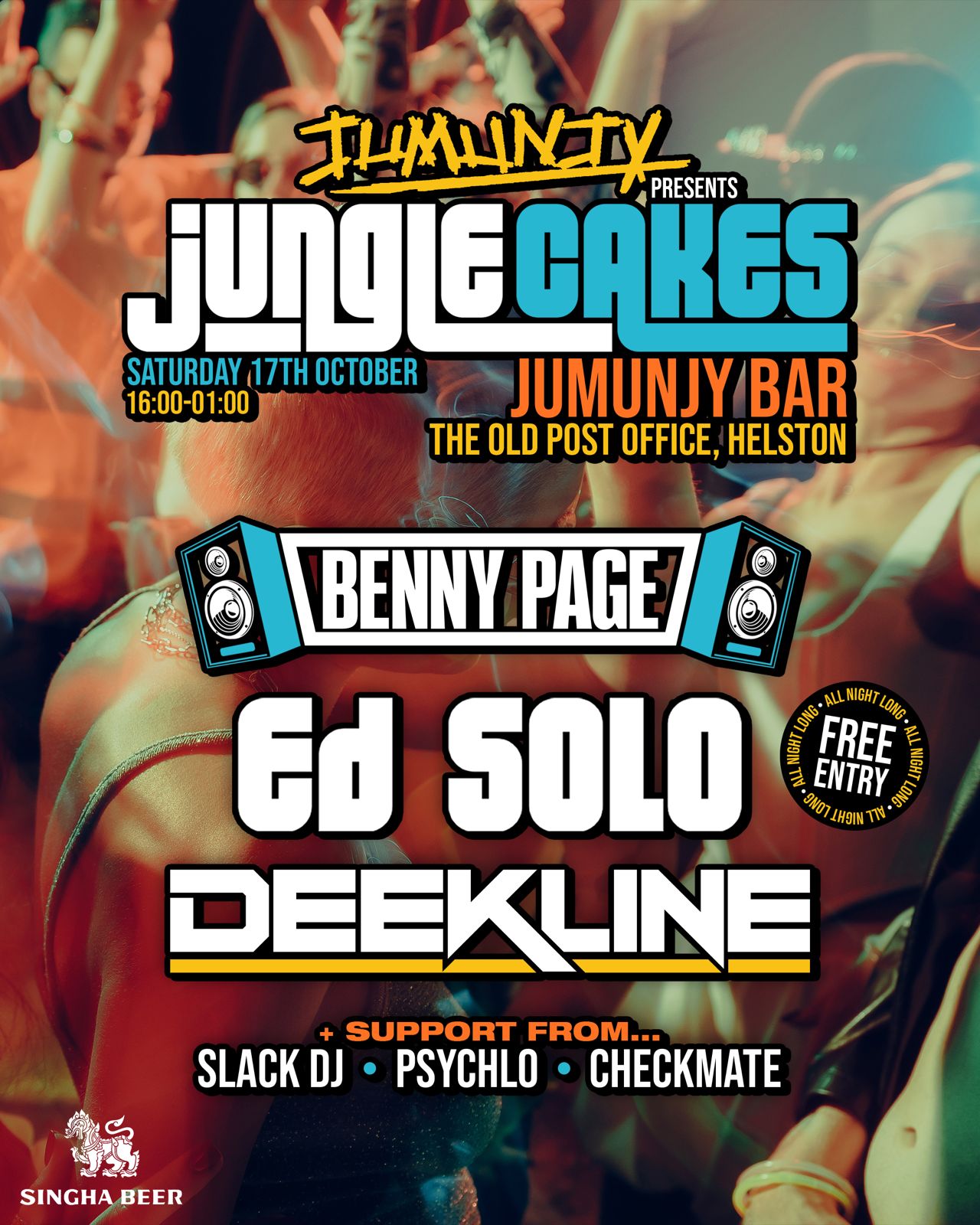
Deekline is the central name in that story, with Ed Solo also strongly associated with the label's identity. Around them, Hot Cakes connects to artists and vocalists from adjacent bass scenes, including figures such as Top Cat, More Fire Crew, Killa P, Lady Waks and Keith Mackenzie, showing how the imprint operated as a meeting point rather than a closed house style.
Representative titles associated with Hot Cakes include Deekline and Ed Solo material such as "Come Around" and "The Gutter Futter / Mash Potato EP," alongside later Deekline-led cuts like "Local," "Ruff Stuff" and "Blazin Fire." These releases point to the label's recurring formula: club-weighted rhythms, vocal personality and a deliberate overlap between breakbeat heritage and broader bass-floor utility.
Within breakbeat history, Hot Cakes matters less as a purist imprint than as a bridge label. It helped keep break-led production in circulation while absorbing influences from jungle, dancehall, bassline, UK garage-adjacent vocal energy and modern festival bass. That openness reflects a real shift in post-2000 club culture, where DJs increasingly moved between scenes instead of staying inside strict genre borders.
The label also speaks to Deekline's longer role in UK breakbeat and bass culture. Across different projects and imprints, he has consistently pushed a version of breakbeat that is less about retro formalism and more about crowd response, sound clash attitude and rhythmic flexibility. Hot Cakes is one of the clearest homes for that approach.
For listeners coming from a strictly breakbeat angle, some Hot Cakes releases may register as bass music first and breaks second. But that is precisely part of its significance: it documents how breakbeat techniques and sensibilities survived by mutating, folding into hybrid club forms without losing their emphasis on swing, impact and DJ usability.
In scene memory, Hot Cakes stands as a durable crossover imprint from the Deekline sphere, valued for energetic club records and for maintaining a live connection between breakbeat and the wider UK-rooted bass continuum. Its catalogue is a useful reference point for understanding how breaks culture extended into the digital bass era rather than ending with its first commercial wave.