Grand Hotel Records was a London-based independent label closely associated with the later career of Plump DJs. It emerged in the early 2010s as a platform for breakbeat, bass-heavy electro house and adjacent club music, reflecting a period when the classic UK breaks sound was being retooled for festival systems and tougher crossover dancefloors.
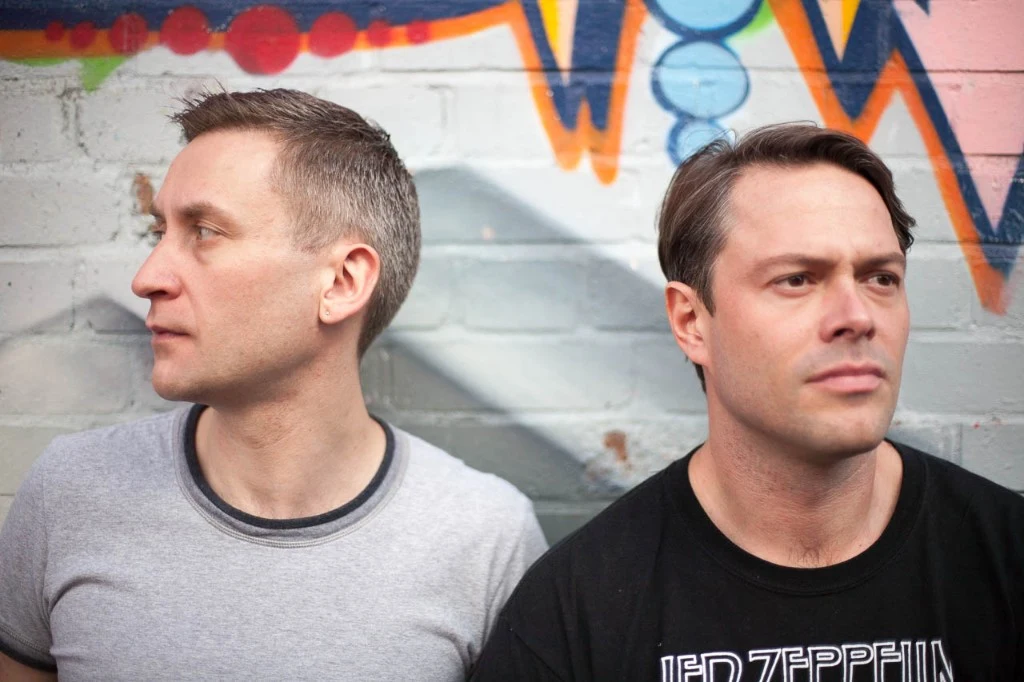
The label was set up by Andrew Gardner and Lee Rous of Plump DJs, a duo whose name already carried weight from the late-1990s and 2000s breakbeat boom. In that sense, Grand Hotel Records functioned both as an imprint and as a statement of continuity: not a nostalgic return to the old formula, but a way of extending the Plump DJs orbit into a newer bass-driven landscape.
Its main period of activity appears to fall between 2010 and the middle of that decade. That timing matters. By then, the commercial peak of big beat and the first wave of UK breaks had passed, while electro, bass music and hybrid festival sounds were reshaping DJ sets. Grand Hotel sat squarely in that transition zone.
Sonically, the label is associated with punchy low end, sharp midrange synth work, electro-house pressure and breakbeat-informed rhythmic design. Even when tracks leaned toward four-to-the-floor energy, the programming and attitude often remained legible to listeners coming from breaks culture rather than from mainstream EDM.
Plump DJs were the central artistic presence, and the label served as a natural home for their own productions in this phase. Material such as "Like A Boulder" captures the imprint's emphasis on large-system impact, direct hooks and a rough-edged club sensibility that linked warehouse energy, festival functionality and the duo's long-standing breakbeat instincts.
Grand Hotel Records also belongs to a wider story about how established breaks artists adapted after the genre's first commercial cycle. Instead of abandoning the scene outright, labels of this type helped carry its production values into newer forms of bass-led dance music. That made Grand Hotel less a museum piece than a working bridge between eras.
In cultural terms, the imprint sits within the network of UK DJ-led labels that were built around practical dancefloor use rather than around album-market prestige. Its identity was tied to club play, specialist audiences and the circulation of tracks through DJs, digital platforms and contemporary bass scenes.
Although it was not among the largest labels of its time, Grand Hotel Records remains a useful marker of the 2010s breakbeat continuum. It shows how artists rooted in the classic breaks movement recalibrated their sound without severing ties to the rhythmic language and crowd dynamics that defined the scene in the first place.
For listeners tracing the afterlife of UK breakbeat beyond its headline years, the label has archival value. It documents a moment when veteran figures such as Plump DJs translated their sensibility into a harder, more electro-leaning and bass-focused framework while still speaking to the same dancefloor tradition.