
Spain
BreaksNu Skool BreaksBass
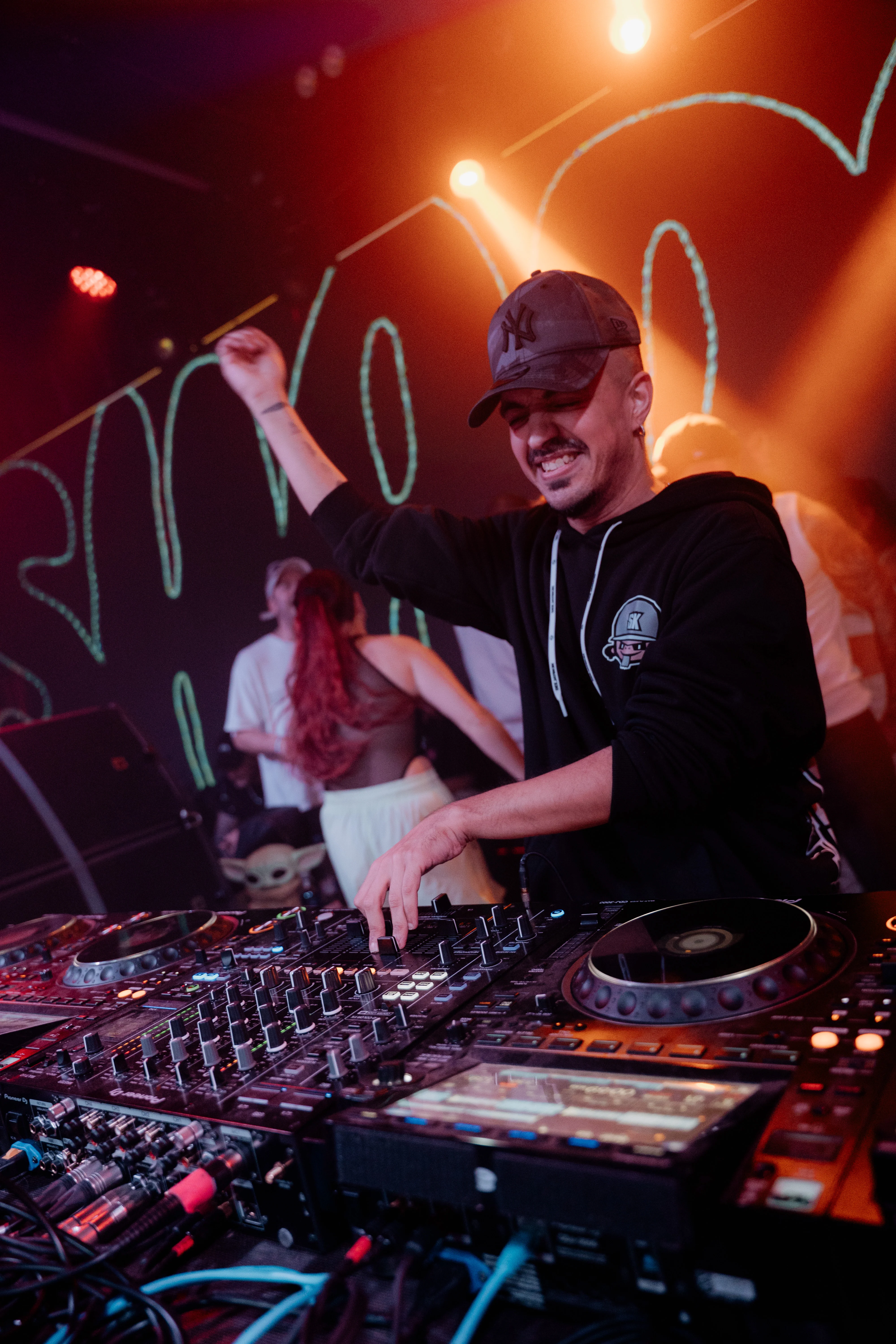
SHADE K
Shade K is a DJ and producer associated with the Andalusian breakbeat circuit, particularly Seville, and with the strand of Spanish breaks that remained active after the genre's…
BEATPORT TOP — 10 TRACKS

Shade K is a DJ and producer associated with the Andalusian breakbeat circuit, particularly Seville, and with the strand of Spanish breaks that remained active after the genre's…
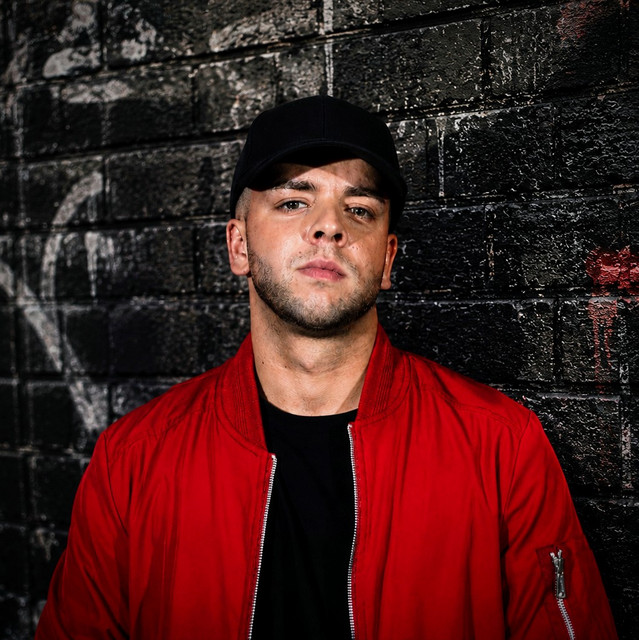
DJ WAVS is a breakbeat DJ and producer from Chiclana de la Frontera, in Cádiz, active since 2013. Bandcamp and SoundCloud both name that town; his Bandcamp page carries the line…
Gigabeat Records is a contemporary electronic label associated with breakbeat, bass-heavy club music and adjacent hybrid styles. The available public footprint places it in a digital-first context, with releases and previews circulating through platforms such as Beatport and SoundCloud rather than through a widely documented physical-era catalogue.
Within the breakbeat field, the label appears tied to the modern end of the spectrum: festival-minded grooves, electro-leaning low end, and crossover material that sits comfortably alongside bass music, tech-funk and other post-2000 club mutations. That positioning matters because it places Gigabeat less in the lineage of early rave imprints and more in the ecosystem of online DJ culture and download-era circulation.
The clearest evidence suggests a label identity built around giving breakbeat and related electronic forms a dedicated outlet. Public-facing messaging frames it as a home for electronic, breakbeat, bass and hybrid sounds, which aligns with the kind of broad but scene-aware editorial profile many independent digital labels adopted in the 2010s and 2020s.
Its catalogue, as far as can be prudently stated from the available sources, seems to favour singles, remixes and compilations suited to club play. That format focus is typical of labels operating through DJ stores and streaming platforms, where individual tracks and remix packages often carry more weight than long-form album campaigns.
Artists visibly associated with the label in the available context include Shade K, Slip187, RØX and DJ WAVS. Those names point toward a network rooted in contemporary breakbeat and bass scenes rather than a single narrowly defined subgenre, suggesting a label that works across adjacent strands of dancefloor-oriented production.
One representative release visible in the public trail is Shade K - Say Arrr (Slip187 X RØX Remix), which indicates the importance of remix culture within the label's output. That kind of release strategy fits a scene where reinterpretation, DJ utility and cross-pollination between producers remain central to how labels build identity.
Compilation activity also appears to be part of the label's profile, with titles such as Gigabeat - Best of 2020 and Gigabeat Records: Best of 2025 pointing to retrospective or showcase-style curation. Even without overstating their historical weight, such releases help map how the label presents its roster and sound to listeners moving through digital platforms.
Because the available evidence is limited and somewhat platform-led, it is sensible to describe Gigabeat Records as a modest but active node in the current breakbeat/bass ecosystem rather than as a heavily documented institution with a long, clearly archived backstory. Its significance lies in ongoing circulation, scene maintenance and providing a release channel for producers working in and around contemporary breaks.
In that sense, Gigabeat Records reflects a familiar pattern in post-vinyl-era underground dance music: small independent labels using online distribution, social media and DJ-facing platforms to sustain niche styles outside the mainstream. For listeners tracking the newer layers of breakbeat culture, it functions as one of the many specialist outlets helping keep the sound in motion.