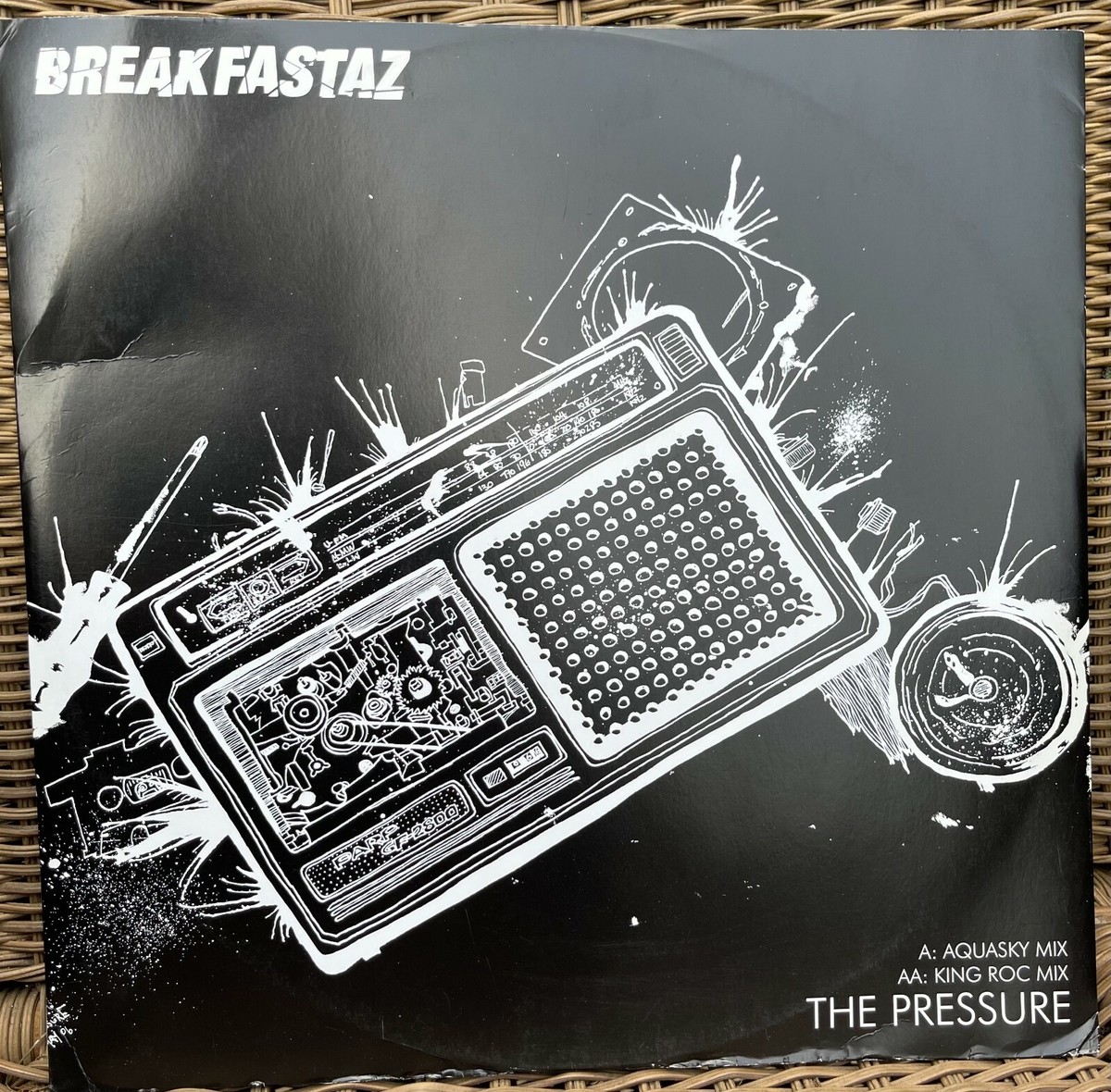
Generation Recordings was a UK breakbeat label associated with the early- to mid-2000s wave often grouped under nu skool breaks. Its name appears most often in connection with a period when breakbeat was rebuilding a club identity after the big beat boom, with producers pushing tougher low end, sharper edits and a more system-minded dancefloor sound.
The label is commonly linked to the orbit of acts such as The Breakfastaz, Kid Kenobi, Koma & Bones and related producers working between breaks, electro-leaning bass pressure and techier club tracks. Rather than representing one single formula, its catalogue sat in the zone where festival-scale breakbeat, DJ utility and crossover energy met.
A useful marker of its place in the scene is the compilation Breakbeat Xpand. The Nu Generation, which framed Generation Recordings as part of a newer breakbeat cohort. That association suggests a label identity tied not to the first generation of UK breakbeat hardcore or big beat, but to the later renewal of the style in specialist clubs, mix CDs and international DJ circuits.
Sonically, Generation Recordings is generally associated with punchy, modernized breakbeat built for peak-time sets: rolling drums, compressed funk detail, heavy sub-bass and a clean, aggressive production style typical of the period. In that sense it belonged to the same wider ecosystem as labels and crews helping define post-big beat breaks for the 12-inch and CD-mix era.
Its releases circulated in a scene where DJs were central to how labels built identity. Breakbeat in this period depended heavily on specialist shops, record pools, magazine coverage, radio support and compilation culture, and Generation Recordings appears to have functioned as one of the channels through which that networked sound travelled between the UK, Europe and Australia.
The label's artist network also points to the international character of 2000s breaks. While rooted in a UK club framework, the sound was never purely local, and Generation Recordings fits the pattern of imprints that helped connect British production values with a broader global breaks audience.
In stylistic terms, its catalogue can be placed near the tougher and more streamlined end of nu skool breaks rather than the sample-heavy looseness of 1990s big beat. Electro, bass music and tech-breaks tendencies were often close by, reflecting how porous genre boundaries had become in breakbeat scenes of the time.
Although it is not usually cited as a mass-market label, Generation Recordings holds a recognizable place in the memory of 2000s breakbeat culture. For collectors and DJs, it represents a specific moment when breaks remained a distinct club language with its own labels, compilations and specialist audience.
Its legacy is therefore less about mainstream visibility than about scene function. Generation Recordings helped document and circulate a strand of 21st-century breakbeat that was polished, forceful and DJ-focused, and it remains part of the infrastructure remembered by listeners tracing the nu skool era.