
United States
BreaksFunky BreaksBass
FORT KNOX FIVE
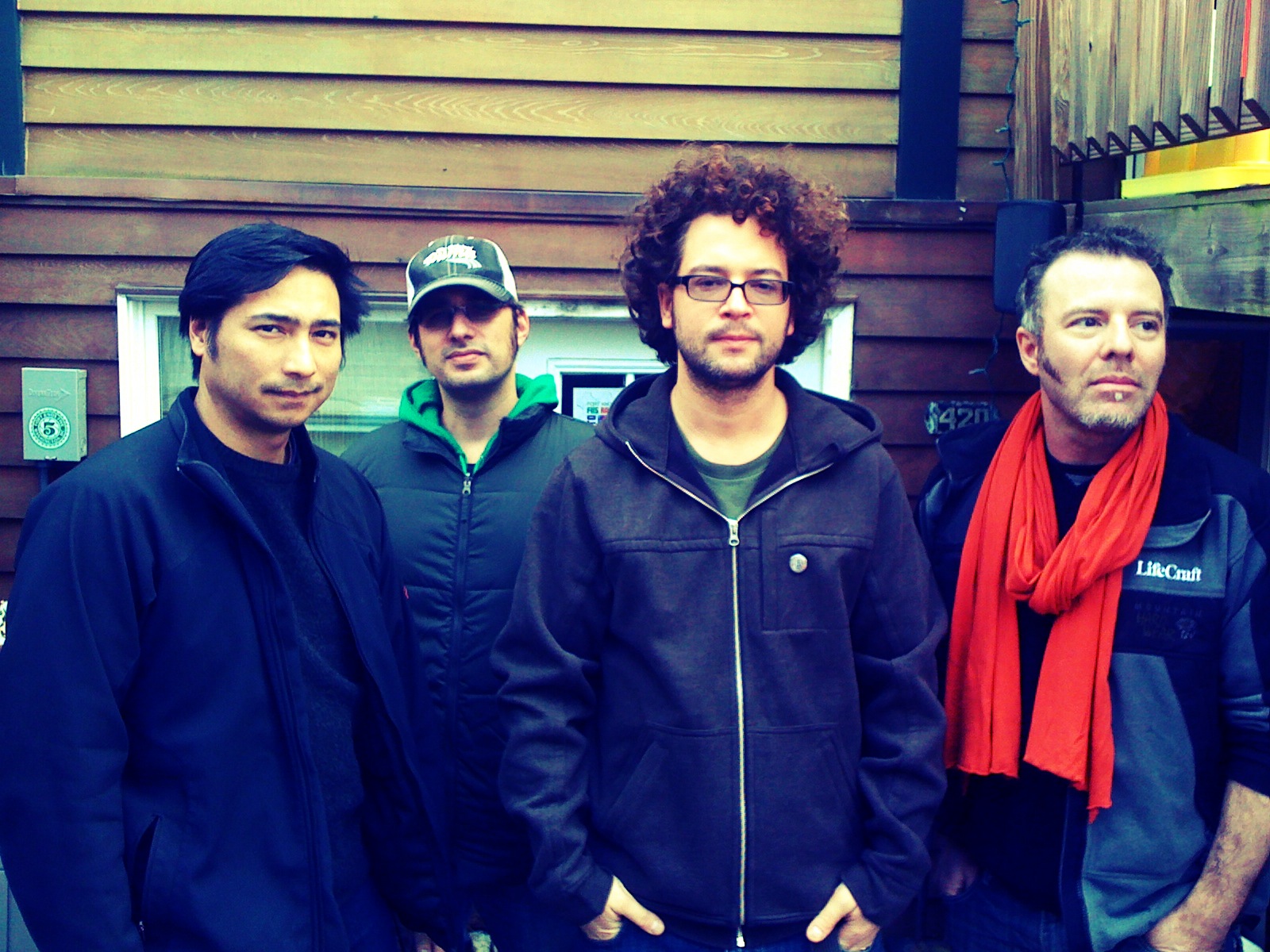
Fort Knox Five is a Washington, D.C. group associated with the US breaks scene and with a strain of party-focused funk, hip-hop and bass music that travelled well beyond…
BEATPORT TOP — 10 TRACKS

Fort Knox Five is a Washington, D.C. group associated with the US breaks scene and with a strain of party-focused funk, hip-hop and bass music that travelled well beyond…

All Good Funk Alliance is a US breakbeat duo associated above all with the funk-driven end of the early-2000s breaks revival. Built around Frank Cueto and Rusty Belicek, the…
Fort Knox Recordings is a Washington, D.C.-based label closely associated with the Fort Knox Five orbit and with the funkier end of breakbeat culture. Its catalog sits where breakbeats, go-go, funk, soul, hip-hop and bass-driven club music overlap, giving it a distinct place within the broader history of US breaks.
The label was established in the early 2000s, with 2003 commonly cited as its starting point. In scene terms, it emerged at a moment when breakbeat was branching beyond UK hardcore lineage and big beat afterglow into a more hybrid club language, one that could absorb live funk, reggae, Latin elements and party-rocking DJ sensibilities.
From the outset, Fort Knox Recordings projected a clear editorial identity: heavyweight drums, prominent basslines, cut-up vocals, brass and funk instrumentation, and a strong emphasis on DJ utility. Even when releases moved toward midtempo funk, nu-funk or bass-heavy edits, the rhythmic logic remained tied to breakbeat dancefloors.
The label is strongly linked to Fort Knox Five, whose productions and remixes helped define its sound. Around that core, the catalog also became a regular outlet for artists and collaborators such as Qdup Foundation, See-I and other producers working in adjacent zones of breaks, funk, reggae and global groove.
That network matters to understanding the label. Rather than functioning only as a vehicle for one act, Fort Knox Recordings helped map a wider community of DJs, remixers, vocalists and bands connected to D.C.'s club culture and to an international circuit of funky breaks and party-oriented bass music.
In format terms, the label has been associated with 12-inch singles, remix packages, compilations and later digital releases. This gave it a practical role in DJ culture: not just presenting songs, but circulating tools, alternate versions and cross-scene reinterpretations that could move between breakbeat sets, funk rooms and eclectic bass sessions.
A recurring strength of the imprint has been its remix culture. Fort Knox material often invited reworks that pushed tracks toward different corners of the dancefloor while preserving the label's core emphasis on groove. That approach helped the catalog remain legible to breakbeat audiences even as genre boundaries became more fluid.
Compilations and anniversary-style releases have also helped frame the label's identity over time. Titles such as 10 Years of Fort Knox Recordings and later retrospective projects point to a label conscious of its own scene history and of the community built around its sound.
Within breakbeat history, Fort Knox Recordings is best understood as part of the US funky breaks continuum rather than as a strictly purist imprint. It maintained a conversation with nu skool breaks, big beat's funk legacy, downtempo party music and bass-rooted hybrid forms, while keeping one foot in crate-digger funk aesthetics and another in modern club production.
Its D.C. base is significant. The city's musical identity, especially the local weight of groove and percussion, gave the label a character distinct from many UK breakbeat operations. That regional grounding helped Fort Knox Recordings sound less like a copy of British templates and more like a local translation of breakbeat into an American funk-party vocabulary.
Over time, the label's activity has extended into digital platforms, with Bandcamp and other outlets keeping parts of the catalog accessible. That continued presence suggests an imprint that has adapted to changing distribution models without abandoning the musical identity that made it recognizable.
The label's legacy lies in how effectively it connected breakbeat technique with live-band energy, funk scholarship and soundsystem pragmatism. For listeners and DJs interested in the bridge between breaks, nu-funk, reggae-inflected bass and party-centered club music, Fort Knox Recordings remains a useful reference point.