
DJ Hype
VIEW FULL PROFILE

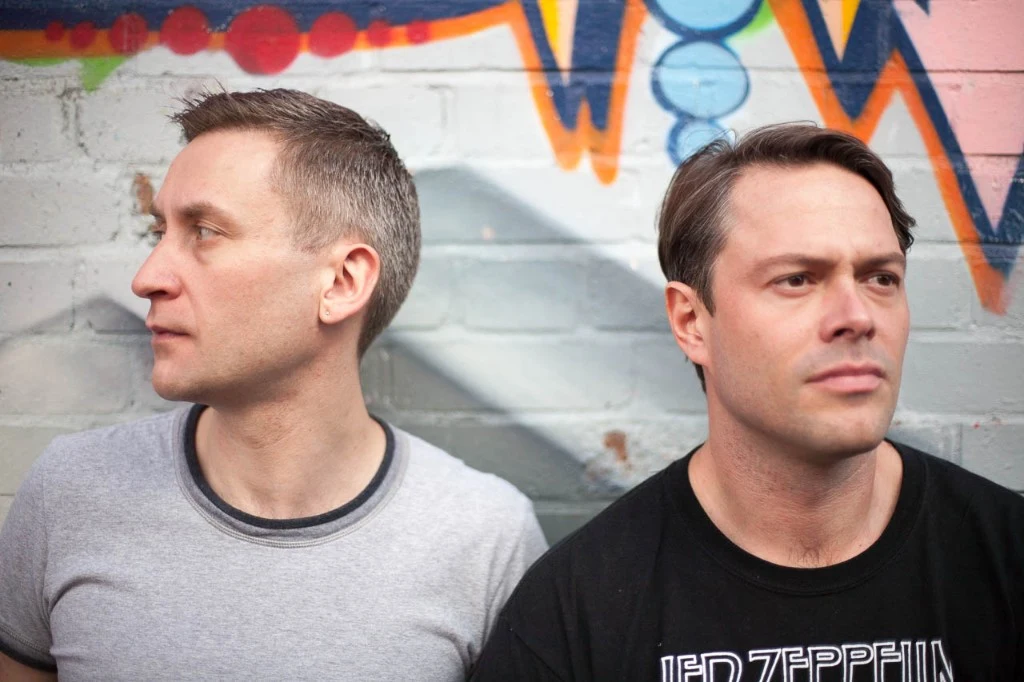
Plump DJs are a London-based British duo formed by Lee Rous and Andy Gardner, widely associated with the late-1990s and 2000s rise of breakbeat as a distinct club culture. In the…
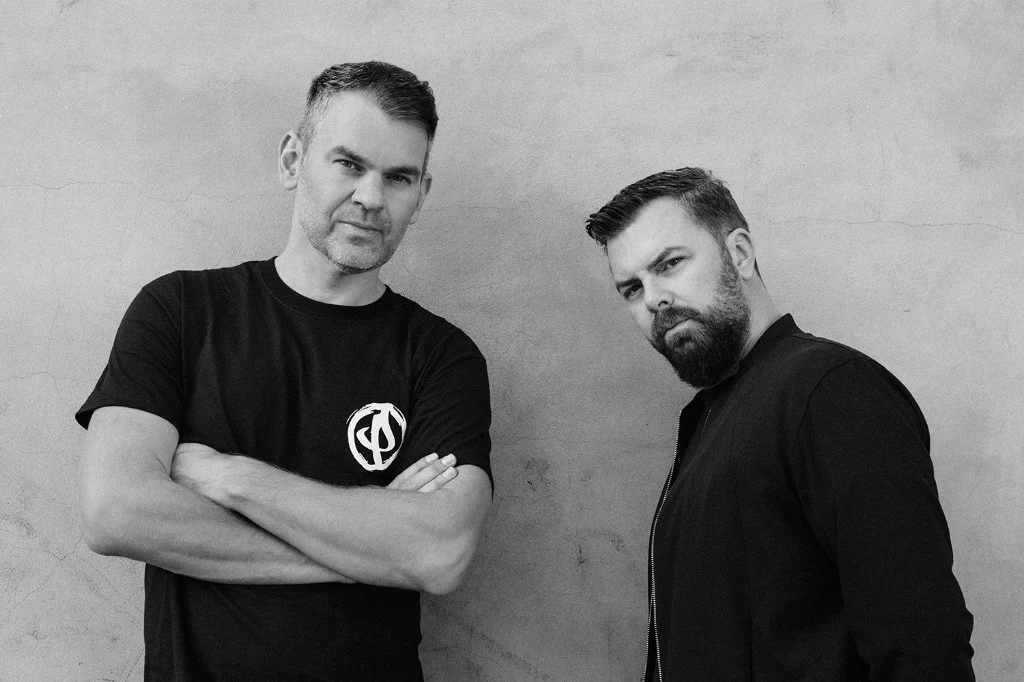
Stanton Warriors are a British DJ and production duo associated above all with the late-1990s and 2000s breakbeat revival. Built around Dominic Butler and Mark Yardley, the…
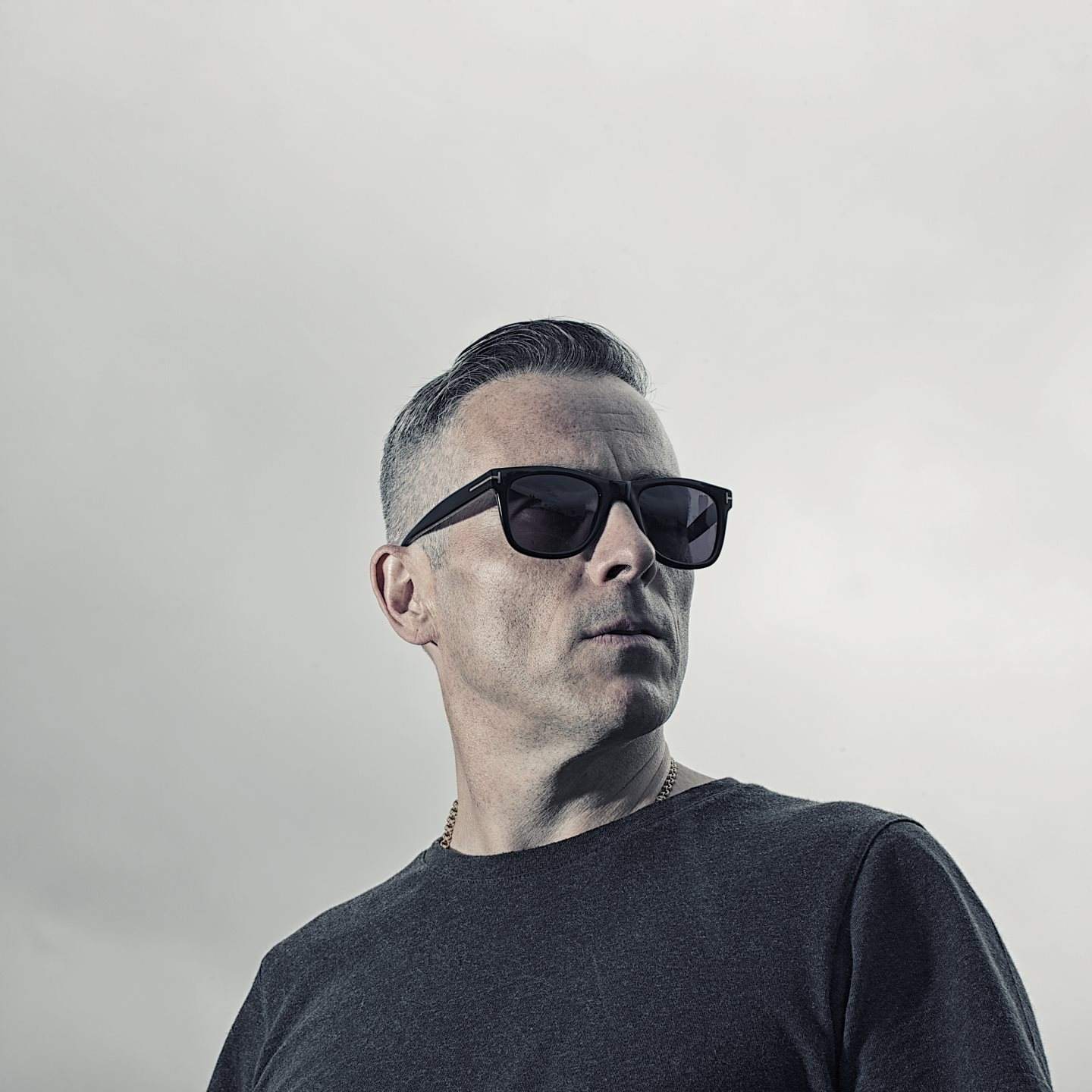
DJ Zinc is a London producer and DJ whose catalogue maps several decisive turns in UK bass music, from mid-90s jungle through jump-up drum & bass, breakbeat mutations and later…
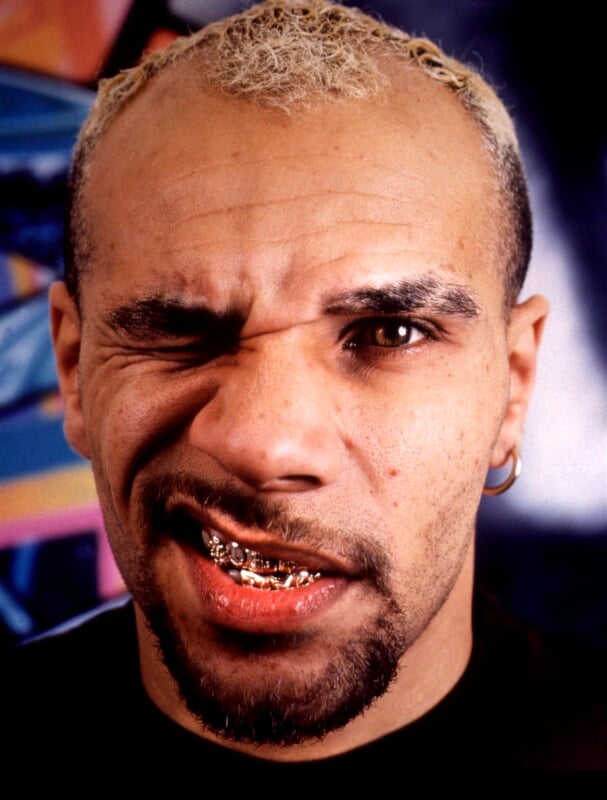
Goldie is one of the defining figures in the transition from hardcore rave into jungle and drum & bass. As a producer, DJ, label head and cultural personality, he helped move the…
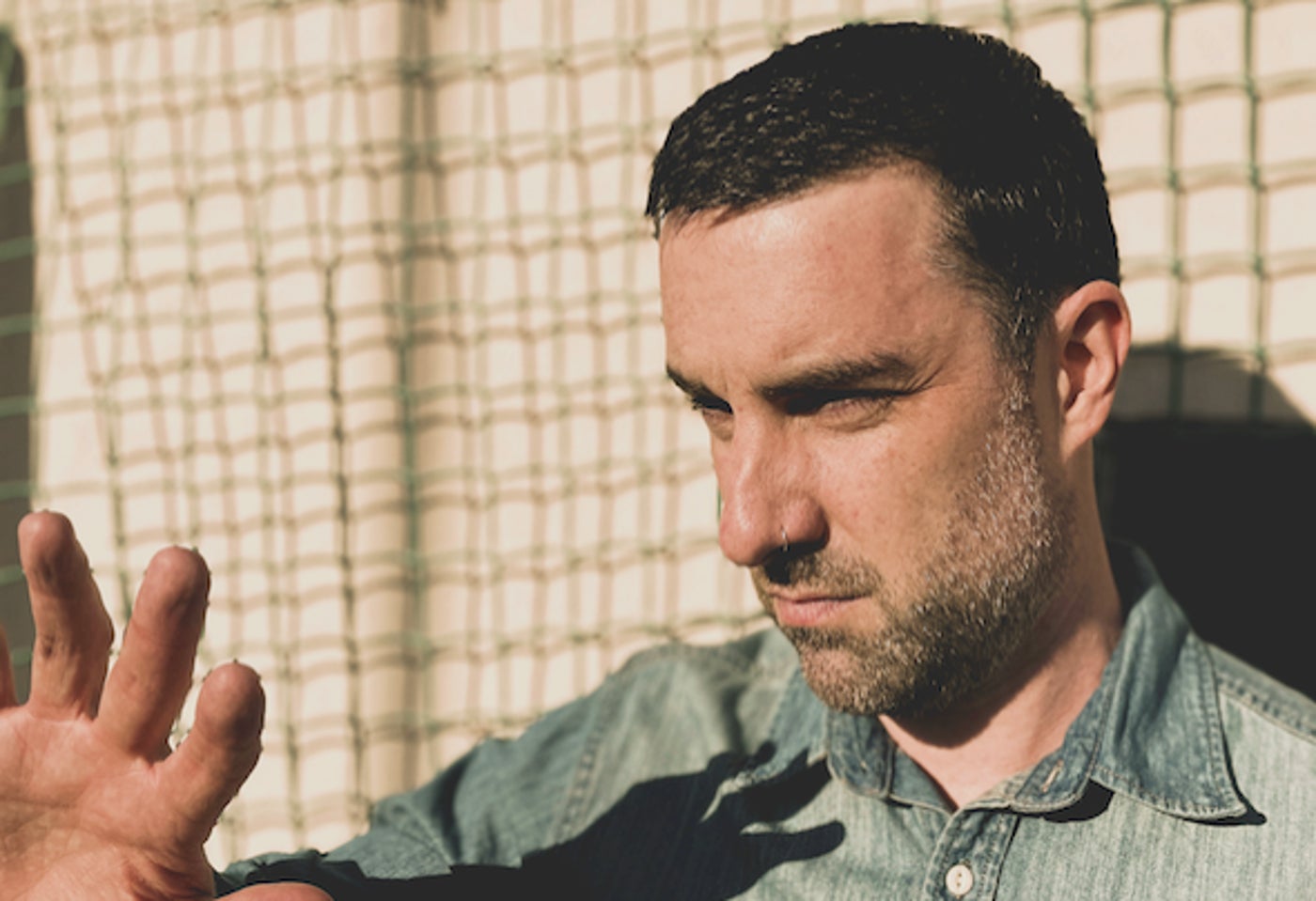
Scuba is the main recording alias of British producer and DJ Paul Rose, a central figure in the post-millennial continuum linking dubstep, bass music and techno. Within the wider…
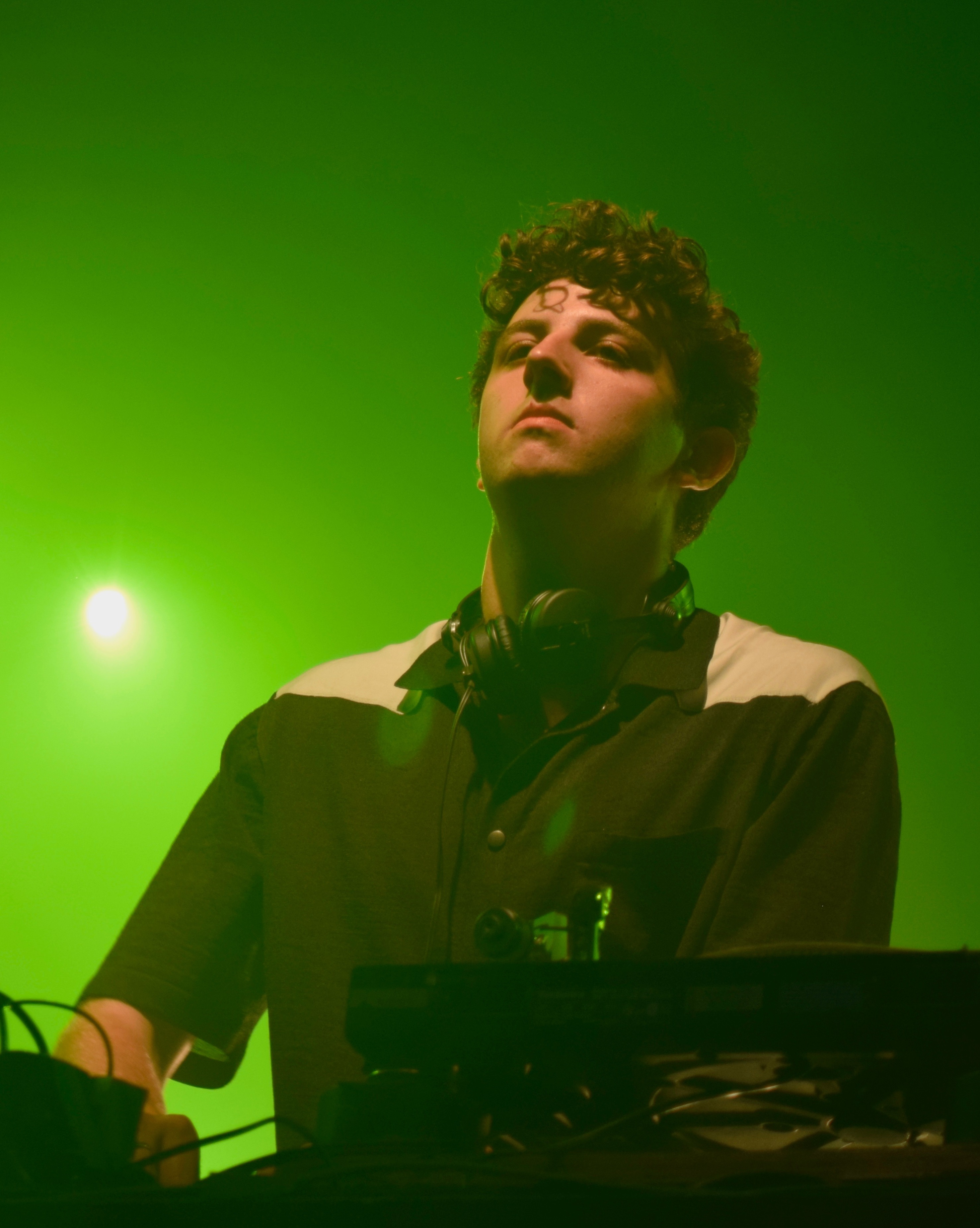
Jamie xx is the solo alias of London producer, DJ and composer James Thomas Smith, widely known both for his work within the xx and for a solo catalogue that reframed UK club…
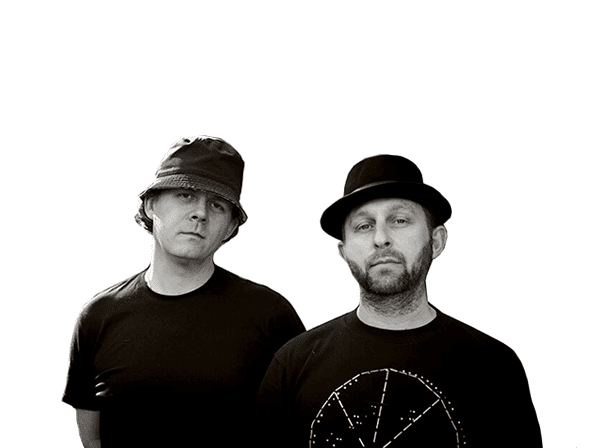
The Scratch Perverts are a British DJ crew whose name became closely associated with turntablism, battle technique and club-focused hip hop from the mid 1990s onward. Emerging…
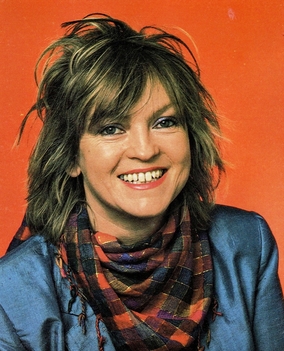
Annie Nightingale occupies a singular place in British music culture: a broadcaster rather than a conventional producer-DJ, but one whose role in the history of breakbeat, bass…
Fabric Records is the label arm associated with London's fabric nightclub, a key institution in 21st-century electronic music. Within the label's broad output, its strongest relevance to Optimal Breaks lies in how it documented DJ culture across breakbeat, drum & bass, UK bass and adjacent club forms, especially through mix-CD series that became reference points for a generation of listeners.
The label emerged in the early 2000s alongside fabric's rise as a major London venue. Rather than functioning only as a conventional imprint built around a stable roster of producers, it developed as an editorial platform connected to the club's programming, residents and guest DJs. That structure gave it a panoramic view of scenes that were often experienced first on the dancefloor.
Its identity was shaped above all by the twin mix series fabric and FABRICLIVE. The former leaned more toward house, techno and minimal-leaning club music, while FABRICLIVE opened a wider lane for drum & bass, breaks, grime, dubstep, electro, hip-hop and other bass-heavy hybrids. In practice, the two strands often reflected the porous boundaries of UK club culture rather than rigid genre boxes.
For breakbeat and related scenes, FABRICLIVE is the crucial thread. Mixes by figures such as DJ Hype, Plump DJs, Stanton Warriors and Caspa & Rusko helped place breakbeat, jungle-rooted energy and later bass mutations into a high-visibility institutional context. The series did not invent those sounds, but it gave them durable documentation and a route into collections well beyond the club itself.
That curatorial role matters as much as any individual release. Fabric's catalog often worked as a snapshot of what influential DJs were actually playing, or how they wanted to frame a scene at a given moment. In that sense, the label became a bridge between nightlife, radio-era mix culture, CD collecting and, later, digital listening.
Although the label is often associated first with techno and house because of the club's international profile, its contribution to bass music history is substantial. FABRICLIVE volumes touched drum & bass, breakbeat, grime, dubstep and crossover sounds at moments when those styles were moving quickly and often sharing audiences. That breadth makes the label useful as an archive of London's post-rave continuum.
The imprint's output also reflects the shift from the mix-CD era to a more contemporary digital label model. In later years, fabric Records expanded beyond the classic numbered series into artist-led albums, compilations and club-connected releases distributed through platforms such as Bandcamp and the club's own channels. Even with that evolution, curation remained central to its identity.
Because fabric was a venue first, the label's artist network has always been unusually broad. It is associated not with a single house style but with a rotating cast of residents, guests and scene-defining selectors. That makes it less a boutique imprint in the traditional sense than a publishing extension of a club ecosystem.
Its legacy within breakbeat and adjacent music rests on documentation, circulation and context. For many listeners, key FABRICLIVE entries were gateways into drum & bass, breaks or UK bass more generally. For DJs and collectors, the series captured how those sounds were being sequenced and narrated by practitioners rather than by retrospective historians.
Seen from today's perspective, Fabric Records stands as one of the clearest examples of a club label that helped canonise DJ-led electronic music without flattening its diversity. Its importance to breakbeat culture is therefore indirect but real: not as a single-genre specialist, but as a durable platform that helped map the connections between breaks, bass pressure and the wider London club continuum.