
Rebel Sketchy
VIEW FULL PROFILE

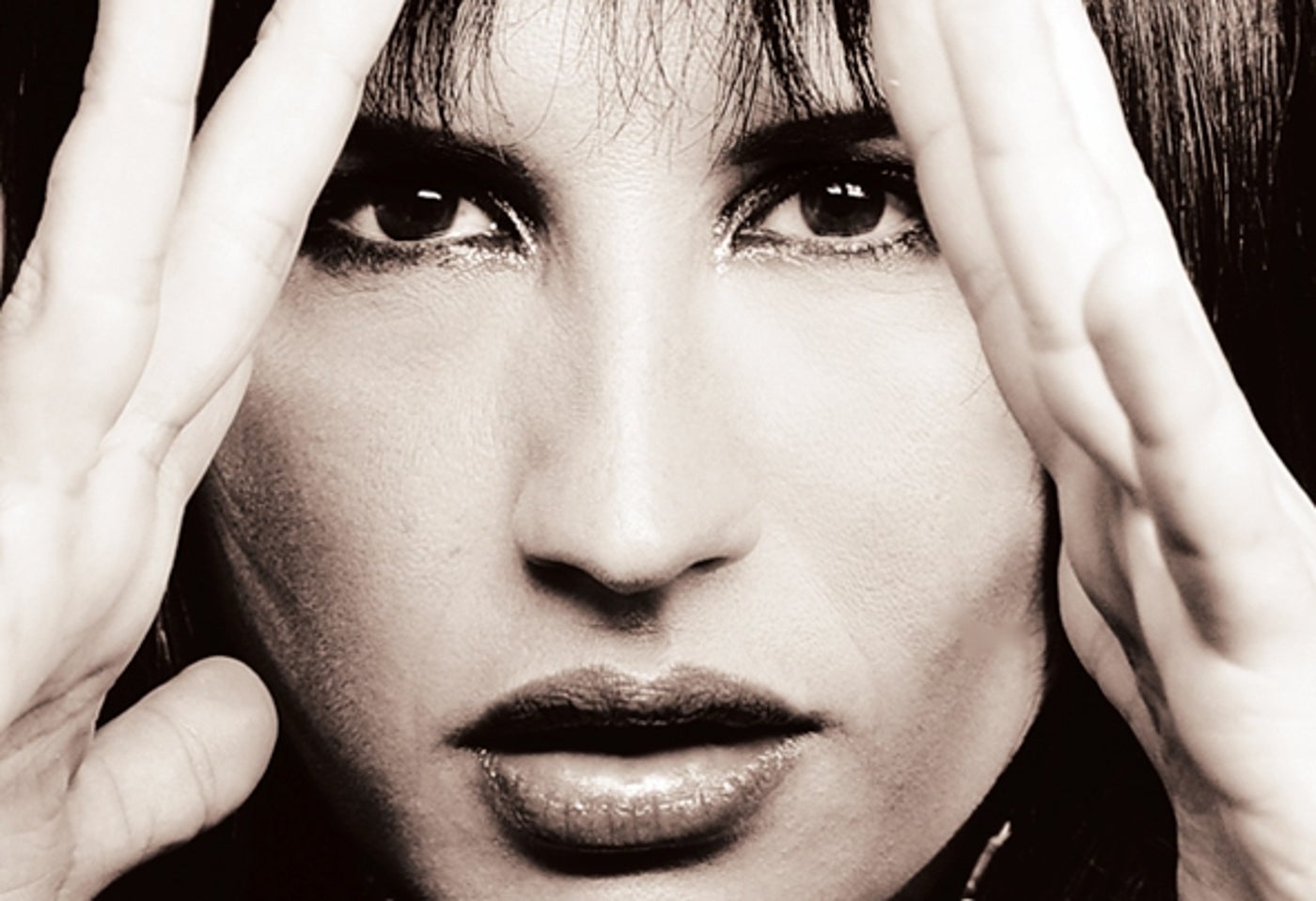
Lady Packa is the breakbeat name of Francisca Arjona — Paqui — a Seville DJ and producer in the booth since 1989 who is still working. Pioneer is the right historical word. It is…
Breakz R Boss Records is a Canadian label associated with breakbeat and adjacent bass music, with a catalogue that points to the digital era of the late 2000s and 2010s. Its identity sits in the broad breaks continuum rather than in a narrowly defined subgenre, moving between breakbeat, electro-leaning material, drum & bass, glitch hop and dubstep.
Available traces around the label present it as a platform for Canadian producers while also bringing in international artists. That positioning matters: rather than functioning only as a local imprint, Breakz R Boss appears to have tried to connect a national breaks scene with the wider online bass circuit that was active through download stores, DJ charts and social media.
The label's public footprint is strongly tied to digital distribution. SoundCloud playlists, Beatport-facing activity and compilation-style releases suggest an imprint built for the post-vinyl, file-based DJ ecosystem, where labels could move quickly between singles, remixes and themed collections without the manufacturing constraints of earlier breakbeat eras.
Stylistically, the catalogue seems to reflect the period when "breaks" was often used as an umbrella term for several club-ready bass forms. Instead of a purist old-school breakbeat line, Breakz R Boss appears to have embraced a hybrid approach: chunky break rhythms, electro textures, wobblier bass pressure and crossover material suited to mixed-format DJ sets.
One of the clearest editorial threads is its emphasis on compilations and scene-mapping releases. Titles such as Canadian Breakbeats: Volume 2 and the announced Canadian Breakbeat Classic's: 2000-2010 point to a curatorial impulse as much as a release schedule: documenting producers, grouping tracks by scene identity and framing Canadian breaks as a distinct body of work.
That role gives the label a particular place in breakbeat culture. In a field where UK and US narratives often dominate, Breakz R Boss helped foreground Canadian participation in the breaks and bass continuum. Even when working in a broad digital style, it appears to have acted as a recurring outlet for artists connected to that regional network.
The label is also associated with remix series such as Breakz R Boss REMIXED, which fits the logic of online bass labels in the 2010s: extending catalogue life, circulating tracks through alternate versions and keeping DJs supplied with fresh edits for club and radio use.
Artist associations mentioned around the label include names such as Rebel Sketchy, Lady Packa, Vize and F-Word. As with many digitally active imprints of the period, the roster seems to have been fluid, with the label operating less like a tightly bounded stable and more like a hub for producers working across related strands of breaks and bass music.
Within the wider history of breakbeat, Breakz R Boss is best understood not as a foundational 1990s imprint but as part of a later wave that kept the breaks tradition active in the download era. Its significance lies in scene maintenance, regional visibility and the willingness to treat breakbeat as a living, adaptable format in dialogue with electro, dubstep and other bass mutations.
For listeners and DJs looking back, the label offers a snapshot of how Canadian breaks culture presented itself online: community-minded, digitally native and open to stylistic overlap. That makes Breakz R Boss Records a useful reference point for the 21st-century afterlife of breakbeat beyond its better-known UK strongholds.