Botchit & Scarper was one of the defining UK labels of the late-1990s and early-2000s breakbeat boom. It is closely associated with the period when breakbeat moved from a loose club tendency into a recognisable record-shop category, with its own stars, compilations and international DJ circuit.
The label emerged in the mid-1990s and is generally linked to the independent British infrastructure that helped turn breaks into a viable market beyond one-off white labels. In practice, Botchit & Scarper operated as both a label and a scene platform: a place where producers, remixers and DJs working around funky breaks, bass-heavy edits and crossover club tracks could reach a wider audience.
Its catalogue is most strongly tied to the so-called nu skool breaks moment, though the sound around the label was never especially narrow. Electro-funk references, hip-hop cut-and-paste energy, rave pressure, big beat crossover instincts and a UK soundsystem sense of low end all fed into its output.
Botchit & Scarper became especially visible through vinyl singles and DJ-led releases, but compilations were also central to its identity. Titles such as the Botchit Breaks and Botchit Breakspeech series helped codify the label's world for listeners who encountered the music through mixed CDs as much as through specialist shops and club nights.
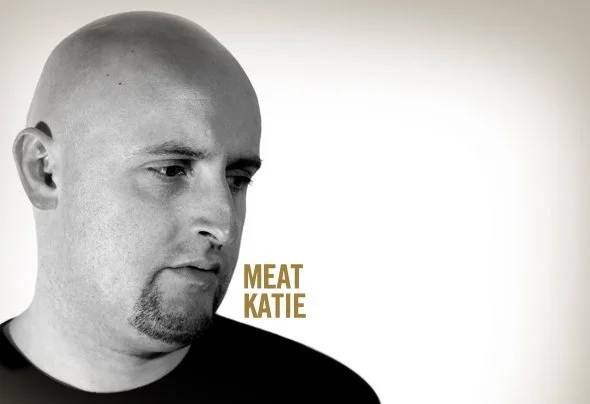
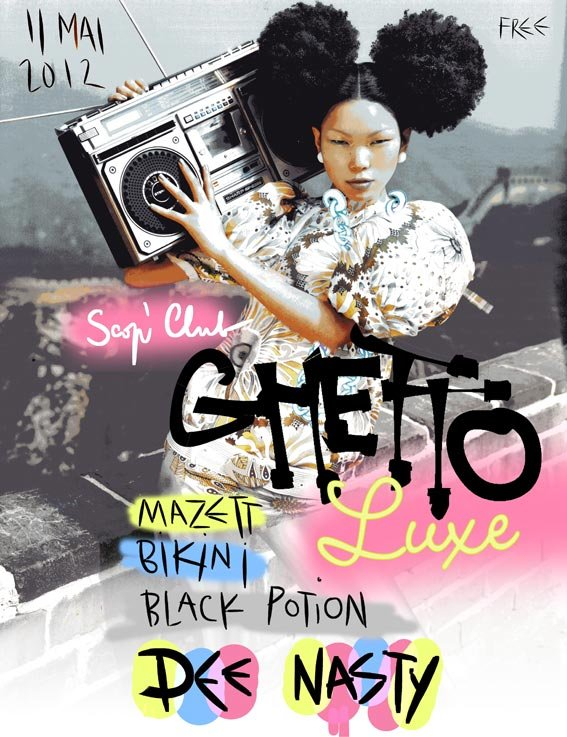
Among the artists most commonly associated with the label are names such as Plump DJs, Meat Katie, Freq Nasty, Rennie Pilgrem and Dylan Rhymes. Taken together, they map a strand of UK breakbeat that was club-functional but also highly stylised: tough drums, elastic basslines, rock and funk sampling habits, and arrangements built for impact in the mix.
The label also sat in dialogue with adjacent imprints and scenes rather than existing in isolation. Its orbit overlaps with the wider breaks ecosystem that included labels pushing big beat, progressive breaks, electro-breaks and bass-driven house hybrids, and that broader network helped define how breakbeat circulated at the turn of the millennium.
A sister-label structure is part of the story as well, with Botchit Breaks often cited in connection with vinyl activity while Botchit & Scarper carried the better-known parent identity. That split reflects a common pattern of the era: using related imprints to organise formats, DJ tools and broader artist albums or compilations.
In historical terms, Botchit & Scarper matters because it helped stabilise breakbeat as a durable club culture language after the first big beat wave and before later bass mutations took over. It gave the style a recognisable editorial centre, a roster, and a body of releases that DJs could treat as a dependable source of new material.
Its legacy is not only a list of records but a way of understanding a period in UK dance music when breaks were commercially visible without losing their underground mechanics. For many listeners and DJs, the label remains shorthand for a specific strain of turn-of-the-century British breakbeat: muscular, playful, DJ-focused and built for crowded rooms.