Barely Legal Records is a US breakbeat label closely associated with the West Coast scene and with the long-running activity of DJ Justin Johnson. Its own tagline, "Funky Breaks from the Left Coast," captures both its geography and its musical intent: club-focused breakbeat with a strong funk pull, built for DJs rather than for crossover branding.
Available source material consistently links the label's start to 1999, when Justin Johnson launched it while active in the American breakbeat circuit. That places Barely Legal Records in a period when US breaks had a distinct regional identity, with Florida, the West Coast and other local scenes developing their own club infrastructure, record-shop networks and producer rosters.
In stylistic terms, the label sits in the orbit of late-1990s and 2000s American breakbeat: punchy drum programming, bass pressure, party-ready edits and a clear dialogue with electro, funk and hip-hop sampling traditions. It belongs to the strand of breaks that stayed practical for dancefloors and DJ sets, rather than moving too far into abstract experimentation.
The imprint is especially relevant as a platform for West Coast and US producers working in funky and electro-leaning breaks. Discogs and digital-store traces suggest a catalogue that moved from vinyl-era singles into later digital releases, reflecting the broader transition many independent breakbeat labels made as the market shifted away from specialist physical distribution.
Justin Johnson is the central figure in the label's identity, not only as founder but as a DJ and producer whose network helped define the imprint's direction. Source material around his biography also points to the first release featuring Scotty Marz, which gives a useful indication of the label's early roster and the kind of floor-driven breakbeat it was built to support.
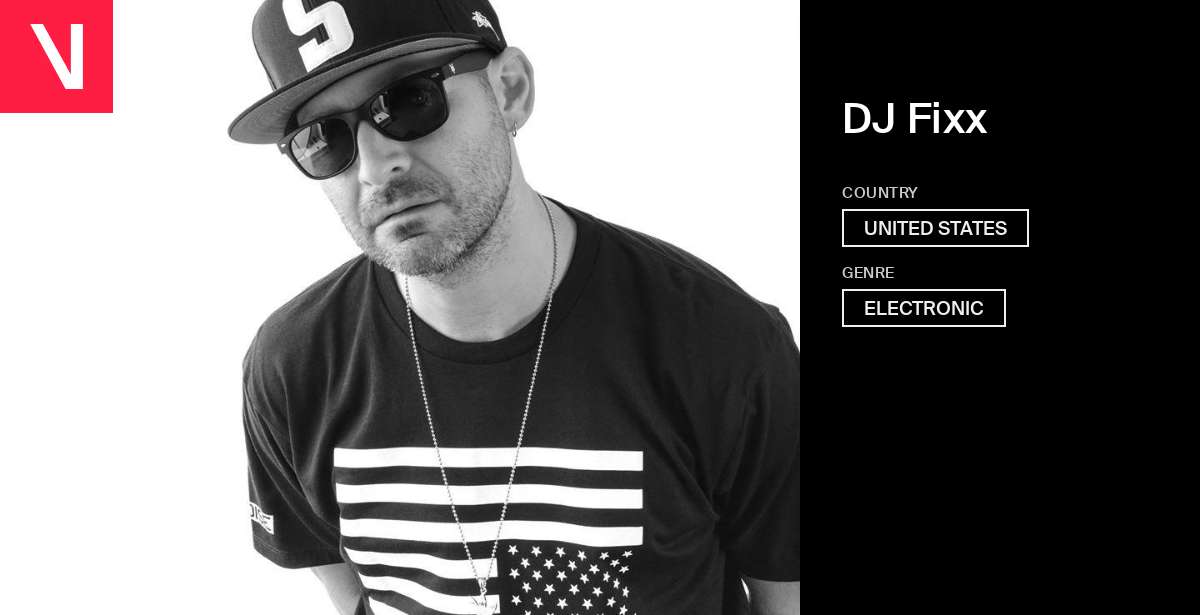
Beyond that first phase, Barely Legal Records is commonly associated with artists from the US breaks circuit such as Keith Mackenzie and DJ Fixx, names that fit the label's broader sound world and its place within American club breakbeat culture. The catalogue appears to have functioned less as a prestige-artifact label than as a working DJ imprint: tracks, samplers and EPs aimed at circulation in sets, radio shows and specialist dance floors.
That practical role matters in the history of breakbeat. Labels like Barely Legal Records helped sustain a specifically American breaks ecosystem at a time when UK breakbeat, big beat, nu skool breaks and electro-breaks were all overlapping but not identical scenes. Its output belongs to that transatlantic conversation while remaining rooted in US club usage and regional identity.
The label also reflects a common pattern in independent dance music publishing: a founder-led imprint that doubles as a scene node. In that model, the label is not just a catalogue brand but an extension of DJ culture, local promotion, artist networks and the circulation of dubplates, promos and later digital files.
Although it may not be as universally cited as some UK breakbeat institutions, Barely Legal Records has a clear archival value within the history of US breaks. It documents a period when West Coast breakbeat maintained its own voice and when independent labels could still shape local taste through tightly focused releases.
Its legacy is therefore tied to continuity rather than mythology. Barely Legal Records stands as a durable marker of Left Coast breakbeat culture: funky, DJ-minded and connected to the grassroots infrastructure that kept the American breaks scene moving across changing formats and eras.