
BreaksElectro BreaksNu Skool Breaks
FM-3
FM-3 is a contemporary producer and DJ associated with the modern breakbeat continuum, working in a zone where electro-funk references, club-ready breaks and bass pressure meet.
BEATPORT TOP — 10 TRACKS

FM-3 is a contemporary producer and DJ associated with the modern breakbeat continuum, working in a zone where electro-funk references, club-ready breaks and bass pressure meet.
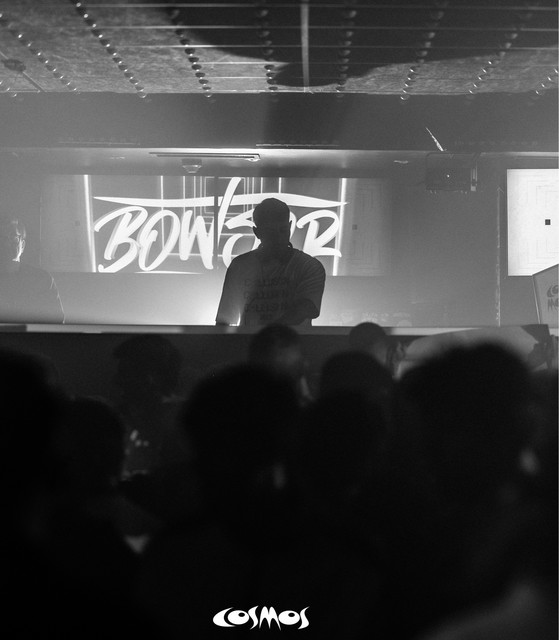
Bowser is a Seville-based producer and DJ associated with the modern Andalusian breakbeat continuum, while also drawing clearly from UK garage and bass music. His name appears in…

RHADES is a Spanish DJ and producer associated with the Andalusian breaks circuit, particularly the Seville scene. Within the contemporary Spanish breakbeat map, his name appears…

Sellrude is a Spanish DJ and producer associated with the contemporary Andalusian breakbeat circuit, with a base in Jaén and a catalogue that moves between breaks, electro-leaning…
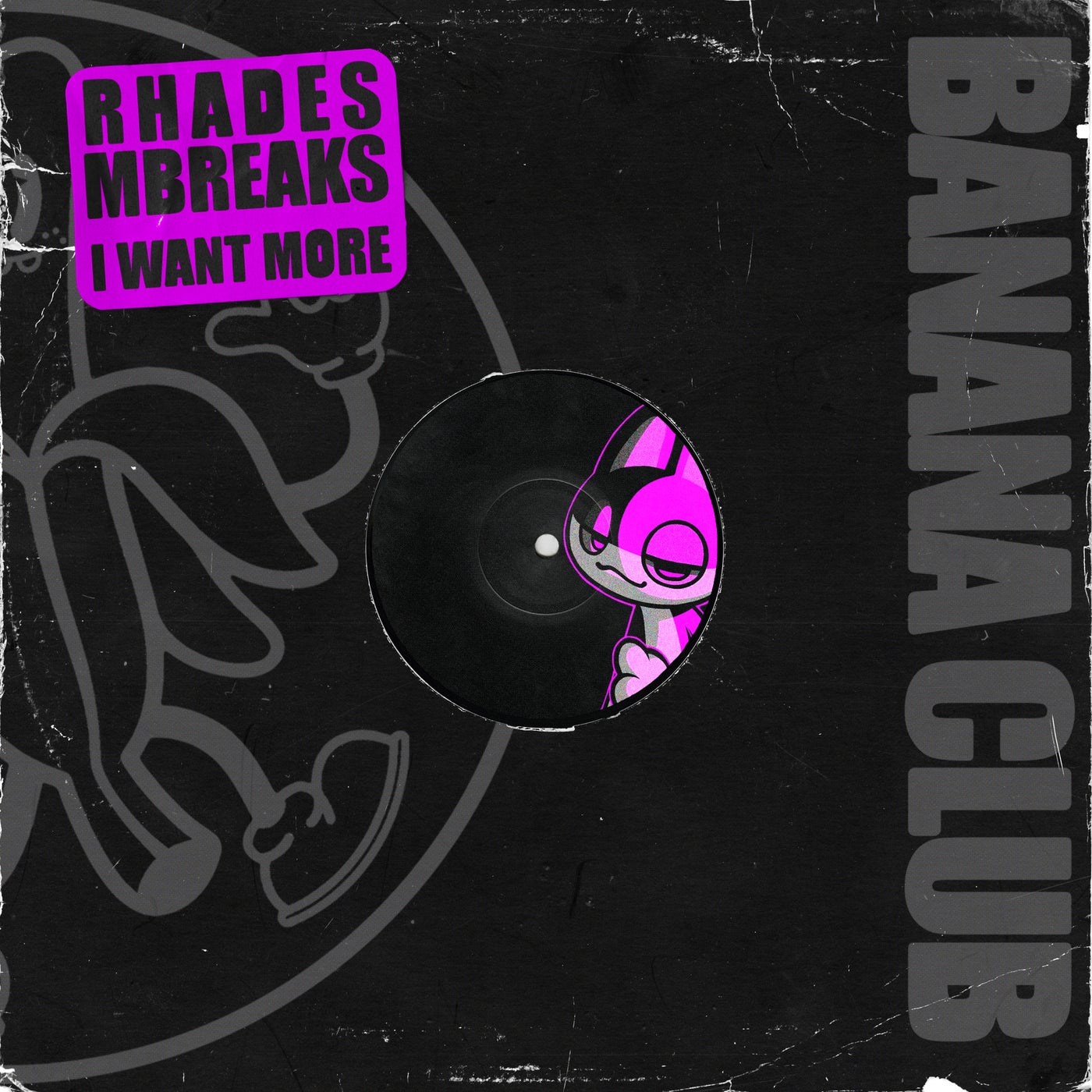
Banana Club is a contemporary label operating in the orbit of breakbeat, UK garage, bass and related club mutations. The available evidence points to a digital-first imprint with a taste for low-end pressure, swung drums and a playful but DJ-focused approach to club tracks.
Its public footprint is clearest through Bandcamp, Beatport and SoundCloud, which places it in the ecosystem of independent labels that build identity through online circulation rather than through a long-established physical catalogue. That context suggests a relatively recent operation, although the exact founding year is better left open.
The label's catalogue, as reflected in the material publicly associated with it, moves across garage dubs, break-led rollers and bass-weight club tools. The emphasis appears to be less on strict genre purity than on a shared dancefloor logic: punchy rhythm programming, soundsystem-conscious sub-bass and tracks designed to work in mixed sets.
Banana Club Compilation V.1 and Banana Club Compilation V.2 are useful reference points for its editorial profile. They present the label as a platform for a small but connected circle of producers, bringing together cuts that sit between modern breaks, UKG-informed swing and contemporary bass music.
Among the names most visibly linked to the label are FM-3 and Run The Breaks, both central to the compilations and to the label's outward identity. Other artists associated with its releases include Bowser, Majestic Noise, Rhades, SellRude and Firestar Soundsystem, indicating a roster built around scene adjacency rather than a single flagship act.
Track titles and release descriptors visible in the catalogue point to an interest in dub versions and club-ready functionality. That detail matters because it places Banana Club within a strand of current underground dance publishing where utility, groove and system impact often take precedence over crossover framing.
For breakbeat listeners, the label is relevant less as a historical institution than as part of the newer digital network keeping break-led club music in motion. Its output connects with the post-nu-skool landscape in which breaks, garage, electro-funk traces and bass pressure are freely recombined for contemporary DJs.
The label also reflects a broader pattern in current independent dance culture: small imprints using compilations and steady single releases to map a local or semi-local creative circle. In that sense, Banana Club functions as both a release platform and a scene node, helping circulate producers whose work sits between genre tags.
Because the available documentation is limited, it is wiser to describe Banana Club in terms of its observable catalogue and aesthetic direction than to overstate its institutional history. What can be said with confidence is that it has established a recognizable lane in contemporary bass-oriented club music.
Within the Optimal Breaks frame, Banana Club belongs to the newer generation of labels carrying breakbeat energy into hybrid territory. Its significance lies in that crossover space: not a museum piece, but an active conduit for garage-inflected breaks and modern underground club tracks.