
Aretha Franklin
VIEW FULL PROFILE

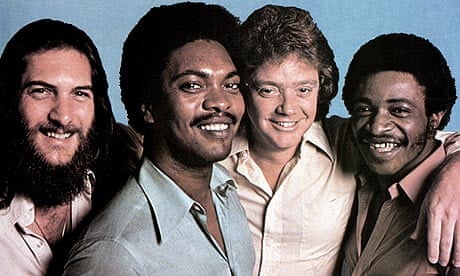
Booker T. & the M.G.'s were an American instrumental group formed in Memphis, Tennessee, in the early 1960s. Although they do not belong to breakbeat culture in any direct sense…
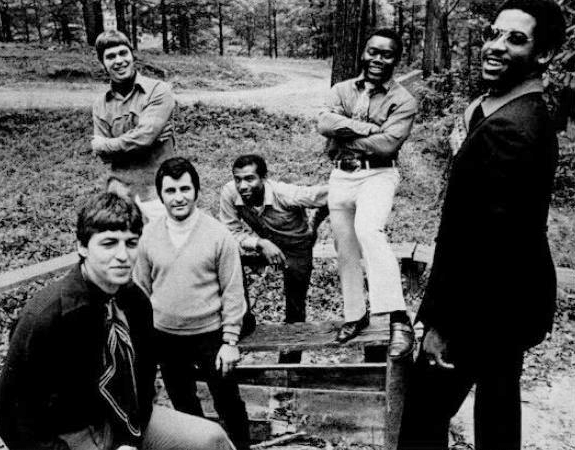
The Winstons were an American soul and funk vocal group based in Washington, DC. In a conventional pop history they are remembered for the 1969 hit "Color Him Father," but within…
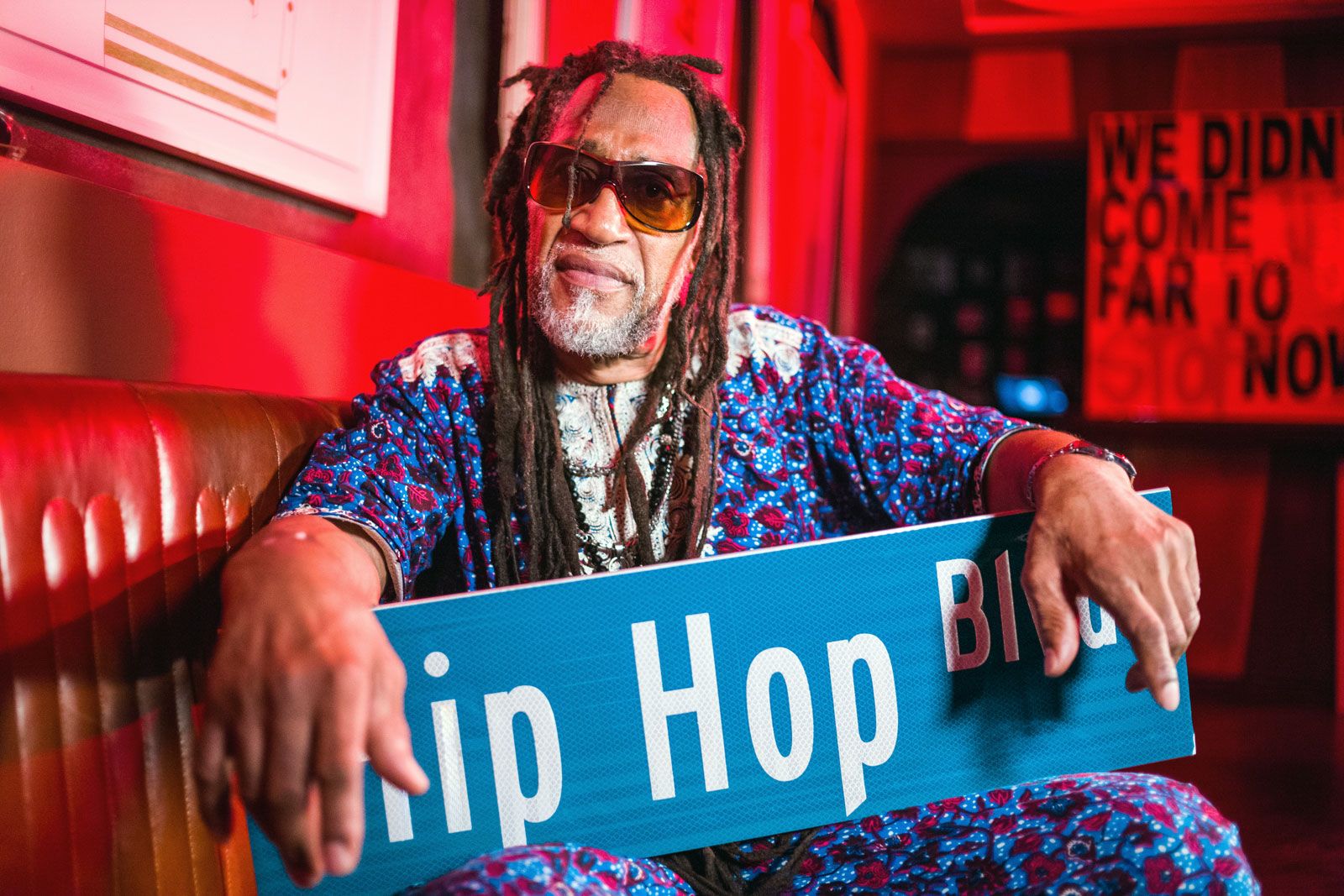
DJ Kool Herc is one of the foundational figures in modern DJ culture and is widely associated with the birth of hip-hop in the Bronx during the early 1970s. Within the wider…
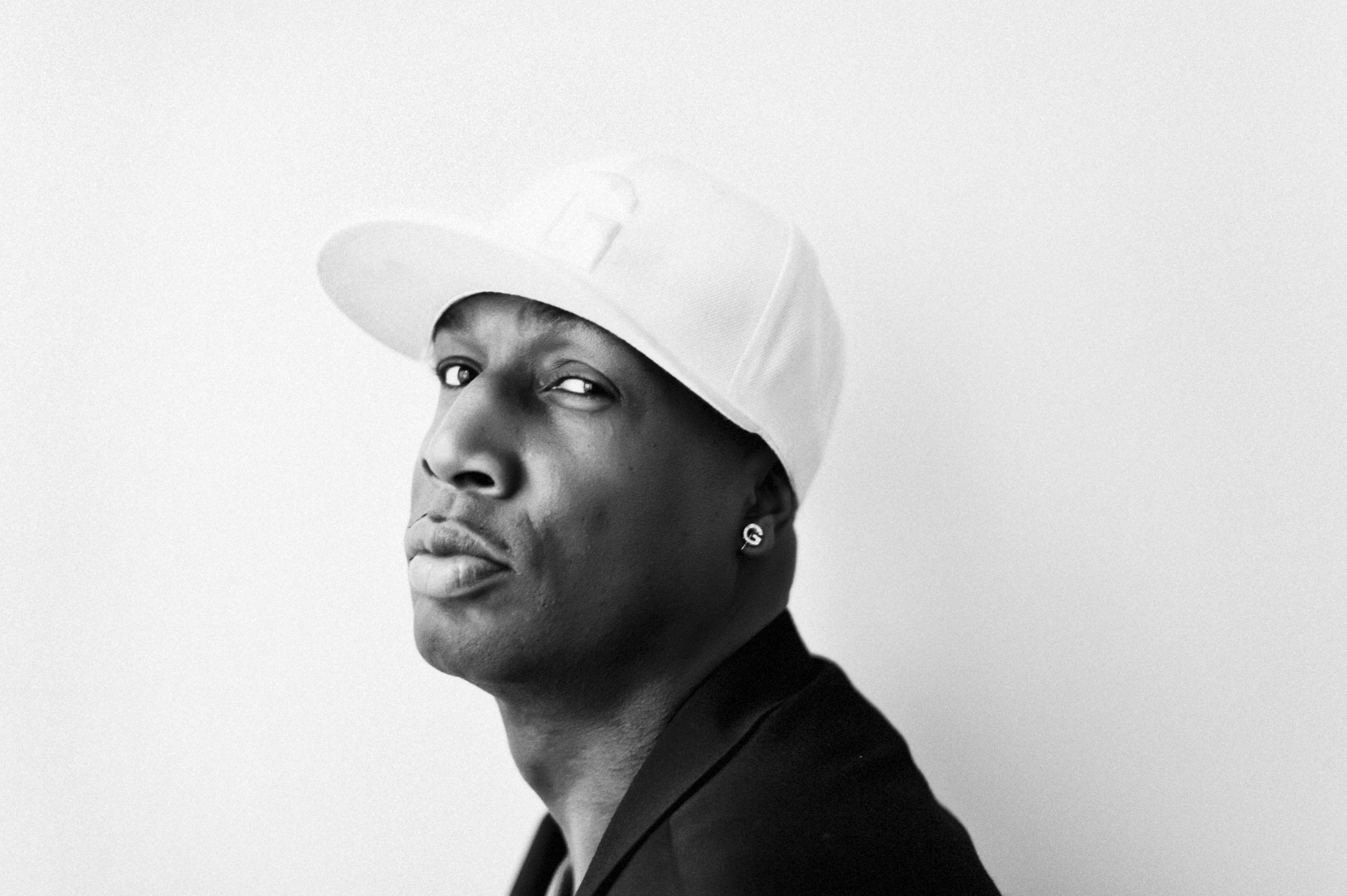
Grandmaster Flash is one of the foundational figures in hip-hop culture and one of the DJs most directly associated with the technical development of turntablism. Emerging from…
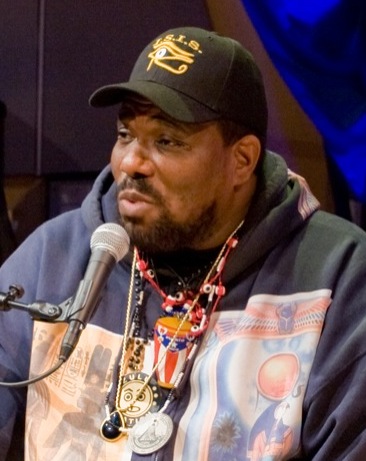
Afrika Bambaataa is one of the foundational figures in hip-hop culture and a key bridge between early Bronx DJ practice, electro, and the wider breakbeat continuum. Emerging from…
Atlantic Records is a major American label whose core identity was built long before breakbeat culture emerged, but whose catalogue became deeply embedded in the sample-based language of hip-hop, jungle, big beat and adjacent bass music. In the context of Optimal Breaks, its importance lies less in operating as a specialist breaks imprint than in the way its recordings fed DJ culture, break digging and the wider afterlife of funk, soul and R&B on the dancefloor.
Founded in New York in the late 1940s, Atlantic established itself as one of the defining post-war US labels, with a catalogue spanning rhythm and blues, soul, jazz, rock and later mainstream pop. That breadth matters when tracing breakbeat history: many producers, collectors and compilers approached Atlantic not as a scene label but as a reservoir of drum breaks, arrangements, horn stabs, basslines and vocal phrases that could be recontextualised in new club forms.
The label's classic era is especially tied to the 1950s through the 1970s, when it released landmark work by artists such as Aretha Franklin, Wilson Pickett, Booker T. & the M.G.'s, Otis Redding and Led Zeppelin. Not all of those records belong directly to breakbeat culture, but they helped define the sonic vocabulary later mined by DJs, hip-hop producers and sample-driven electronic music.
For breakbeat audiences, Atlantic is often encountered through individual source records rather than through a coherent label programme aimed at the scene. Its significance is therefore archival and infrastructural: it is one of the large catalogues repeatedly searched for usable grooves, open drum passages, tough funk rhythm sections and emotionally charged vocal material.
A key point of contact is the label's connection to funk and soul recordings that circulated heavily in DJ and sample culture. Cuts associated with artists like The Winstons, whose "Amen, Brother" was issued on Atlantic, became foundational far beyond their original market context. The Amen break's later centrality to hip-hop, hardcore, jungle and drum & bass gives Atlantic an indirect but undeniable place in the genealogy of breakbeat music.
Atlantic's role also extends through distribution, ownership and catalogue continuity. As music moved from vinyl collecting to reissues, compilations, digital archives and streaming, the label's historical holdings remained part of the raw material from which new generations learned the language of breaks. In that sense, Atlantic sits upstream from many specialist scenes even when it was not addressing them directly.
Unlike labels built around nu skool breaks, UK breakbeat or bass hybrids, Atlantic was never defined by a single club micro-scene. Its relationship to break culture is broader and more diffuse: a major-label archive whose recordings were cut up, looped, replayed and referenced across multiple eras, from early hip-hop crate-digging to rave-era sampling and later breakbeat revivalism.
That breadth can make the label harder to summarise in scene terms, but it is precisely why it matters. Atlantic links black American popular music, rock-era studio craft and the sample imagination of later dance music. For selectors and producers, it represents a deep source catalogue rather than a narrowly branded aesthetic.
Its legacy within breakbeat history is therefore not about a run of dedicated breaks 12-inches or a roster of scene-specific producers. It is about the long afterlife of recorded music: how a major label's funk, soul and R&B output became building blocks for entirely different cultures in clubs, pirate radio, mixtapes and samplers.
Seen from that angle, Atlantic Records belongs in a breakbeat encyclopedia as a crucial upstream institution. It helped preserve and circulate recordings that became foundational to the break, the loop and the sample, even if the label's original mission lay elsewhere.