

Spain
BreakbeatNu Skool BreaksBass
GUAU
GUAU ranks among the Spanish producers with the strongest international reach and is a central figure in present-day breakbeat. As founder of the label 83 [Ochentaytres], he has…
BEATPORT TOP — 10 TRACKS

GUAU ranks among the Spanish producers with the strongest international reach and is a central figure in present-day breakbeat. As founder of the label 83 [Ochentaytres], he has…

Yo Speed is the alias of Rubén Cordero, a DJ, producer and remixer from Cádiz who has become one of the most internationally visible names in contemporary Spanish breakbeat.…

MBREAKS is the stage name of Carmen, a DJ, producer and programmer from Seville. She works at the intersection of breakbeat, UK garage, 2-step, bassline and drum & bass, and is…

Bowser is a Seville-based producer and DJ associated with the modern Andalusian breakbeat continuum, while also drawing clearly from UK garage and bass music. His name appears in…

NOSK is a contemporary producer and DJ associated with the breakbeat circuit, with a profile that appears across digital platforms, DJ charts and compilation-style releases.
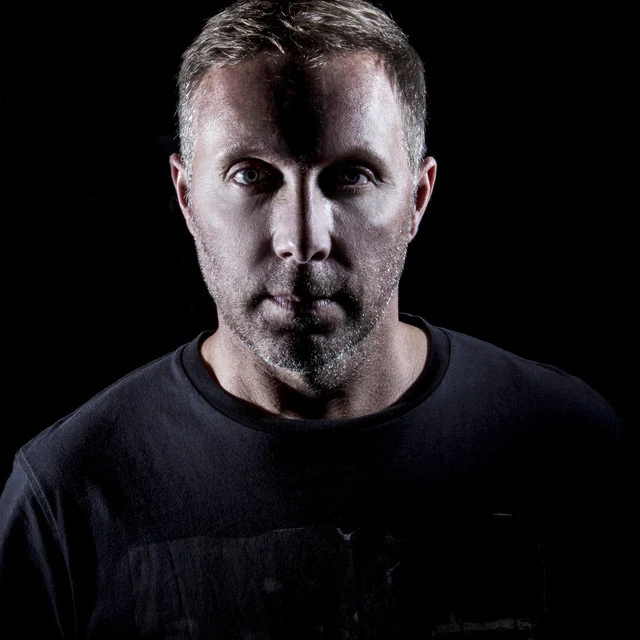
Krafty Kuts is the recording and DJ alias of Martin Reeves, a Brighton-based English DJ, producer, turntablist, promoter and label owner. He is a defining figure in the British…

Plump DJs are a London-based British duo formed by Lee Rous and Andy Gardner, widely associated with the late-1990s and 2000s rise of breakbeat as a distinct club culture. In the…

Keith MacKenzie is a US breakbeat DJ, producer and label figure most closely associated with the long-running American breaks circuit. Although often linked to Chicago in later…
In a landscape where club music often tends toward homogenization, initiatives like 83 show that the independent trench remains the most honest engine of sonic innovation. Founded in 2016 by Andalusian producer GUAU, based in Mallorca and widely regarded as one of the leading figures and current standard-bearers of broken rhythms in Spain, this record label was born without commercial pretensions. It was initially conceived as a creative refuge for releasing his own references and those of the closest circle of artists.
What began as a self-publishing project focused on breakbeat, electro and UK garage has, over the last decade, become one of the most solid European bastions of independent club culture. Its catalogue includes true dancefloor anthems that have defined its sound, such as GUAU's hard-hitting "Groove Tool", or globally viral playlist references such as Yo Speed's "Muita" and "Fogo", and Bowser's "Calypso". The label's releases regularly reach the highest positions on specialist sales charts on platforms such as Beatport, Spotify and YouTube, consolidating a sound that moves fluidly between the dancefloor and the electronic avant-garde.
The house's editorial approach steers clear of mass-market algorithms in favour of rigorous, club-direct curation. Under the operational umbrella of EN83 Music, the label has built a versatile ecosystem that goes beyond its parent brand 83. Through sister labels such as Close Your Eyes and Etiqueta Negra, the platform surgically segments its different aesthetic strands: from the paced, motivating pulse of CYE to the more advanced bass sound of EN.
Far from living on nostalgia, the 83 catalogue works as an intergenerational meeting point. Its releases bring together established talents from the national scene such as Yo Speed, MBreaks, Bowser and Nosk with globally relevant figures such as Krafty Kuts, Plump DJs and Keith MacKenzie, who have found in the label a natural home for their productions. With that trajectory, Label 83 does not only release music; it builds community, defends independent authorship and keeps contemporary Spanish electronic music alive.