LOADING BREAKS...

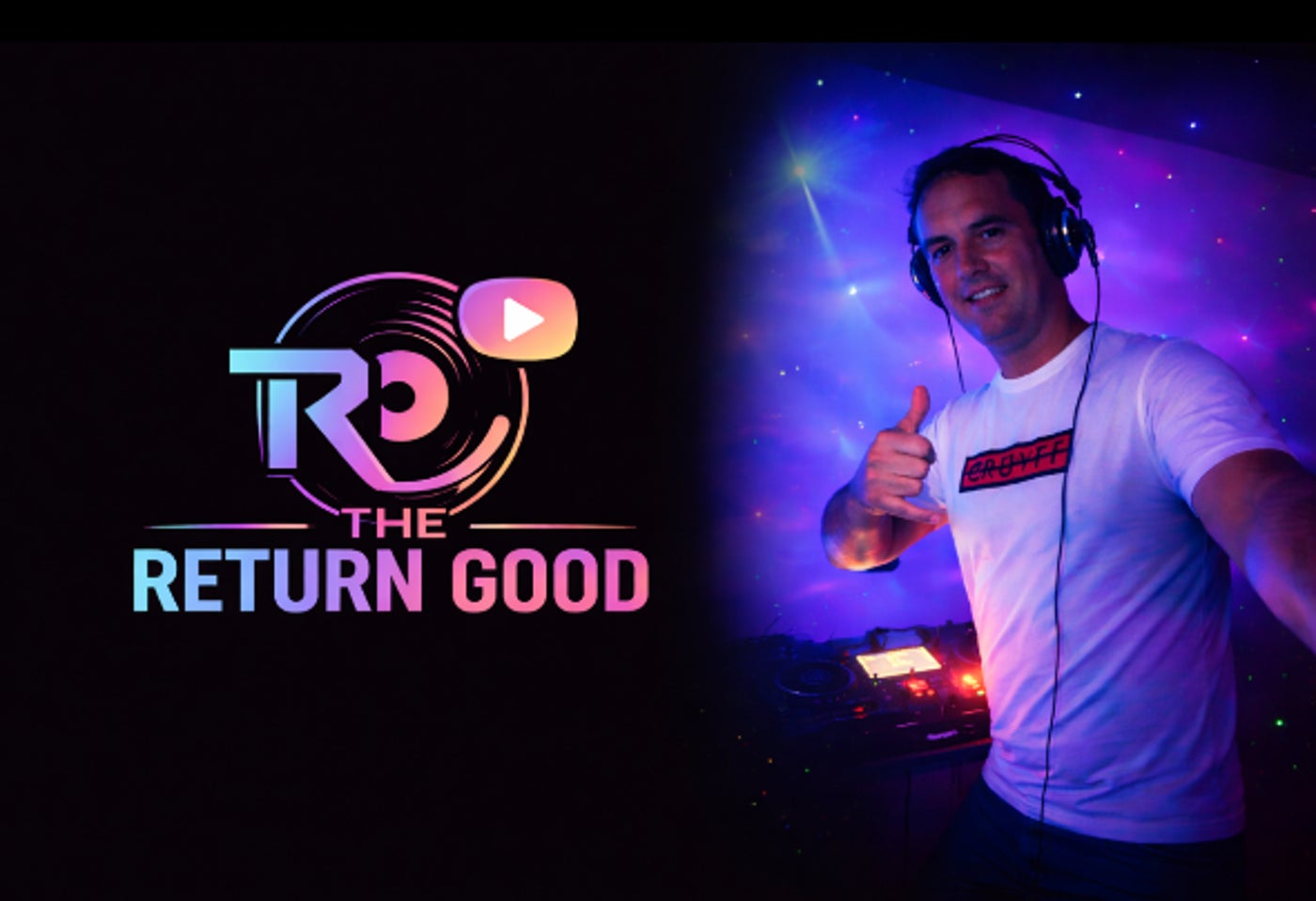
The Return Good is a Spanish breakbeat producer and DJ active within the contemporary Iberian breaks circuit. Public profiles present the project as a break-focused act that mixes current breakbeat with retro-leaning electronic colours, working primarily through digital singles rather than album cycles.
Behind the alias is David Recio Zambrana, credited as composer and producer across the project's output: on “Always Positive”, on the remix of PhoenixRising's “Caught Up” and on “Come On”, the collaboration with Addamz. Those credits anchor the project to a single working producer identity within the Spanish breaks scene.
His catalogue places The Return Good firmly inside the modern Spanish breakbeat marketplace, with releases on imprints closely tied to the current scene including Samay Records, Br8kn Records, ElectroBreakz, Basstinazo Records and Warriors Beat Return. That label map points to a producer circulating through the same specialist networks that sustain breakbeat in Spain today, not to the historic UK drum & bass ecosystem.
Stylistically, the project sits in the 133–135 BPM range typical of present-day club breaks: direct drum programming, bass pressure, groove-led arrangements and tracks built for DJ use. Titles such as “Tonight”, “Feeling”, “One Peace”, “Hong Kong” and “Fast Night” underline a repertoire centred on movement and floor function rather than atmospheric drum & bass progression.
Samay Records has been one of the most visible homes for recent singles, including “Feeling” and “One Peace”. The label operates from the Andalusian breakbeat orbit — with its base in Loja, Granada — and promotional material around several of these releases has explicitly carried the #breakbeatandaluz tag. That context situates The Return Good firmly within the wider southern Spanish scene.
Br8kn Records has carried a steady run of material, among them “Flow”, “Starlight”, “Jupiter”, “Tic Tac Tic Tac” and “Hong Kong”. ElectroBreakz adds further singles such as “7 ZERO”, “Harmonies” and “New Galaxy”, reinforcing a sound that leans on punchy broken rhythms and modern bass weight.
Collaboration forms part of the picture too. “Tricycle”, released on Warriors Beat Return with Periko, connects The Return Good to another name working the same contemporary Iberian breaks lane. Remix work, including a take on PhoenixRising’s “Caught Up”, shows the project moving through the usual producer-to-producer circulation of the digital breaks economy.
Beyond those titles, the catalogue extends across Basstinazo Records (“Twister Boom”, “Viking”), Samay (“Fusion Of Tracks”) and other club-facing singles that keep arriving in quick succession from 2025 onward. The pace suggests an artist treating breakbeat as an active weekly practice: new tools for sets, specialist radio and online DJ crates.
Within the broader Iberian breakbeat landscape, The Return Good represents the producer layer keeping Spanish breaks audible in the present tense: label-hopping singles, collaborations inside the Samay/Br8kn orbit and a clear commitment to bass-driven club music at contemporary break tempos.
Taken together, these releases position The Return Good as part of the Spanish breakbeat generation supplying fresh material for clubs, festivals and digital circulation across the peninsula — a working producer identity defined by tracks, imprints and scene adjacency rather than legacy myth-making.