LOADING BREAKS...

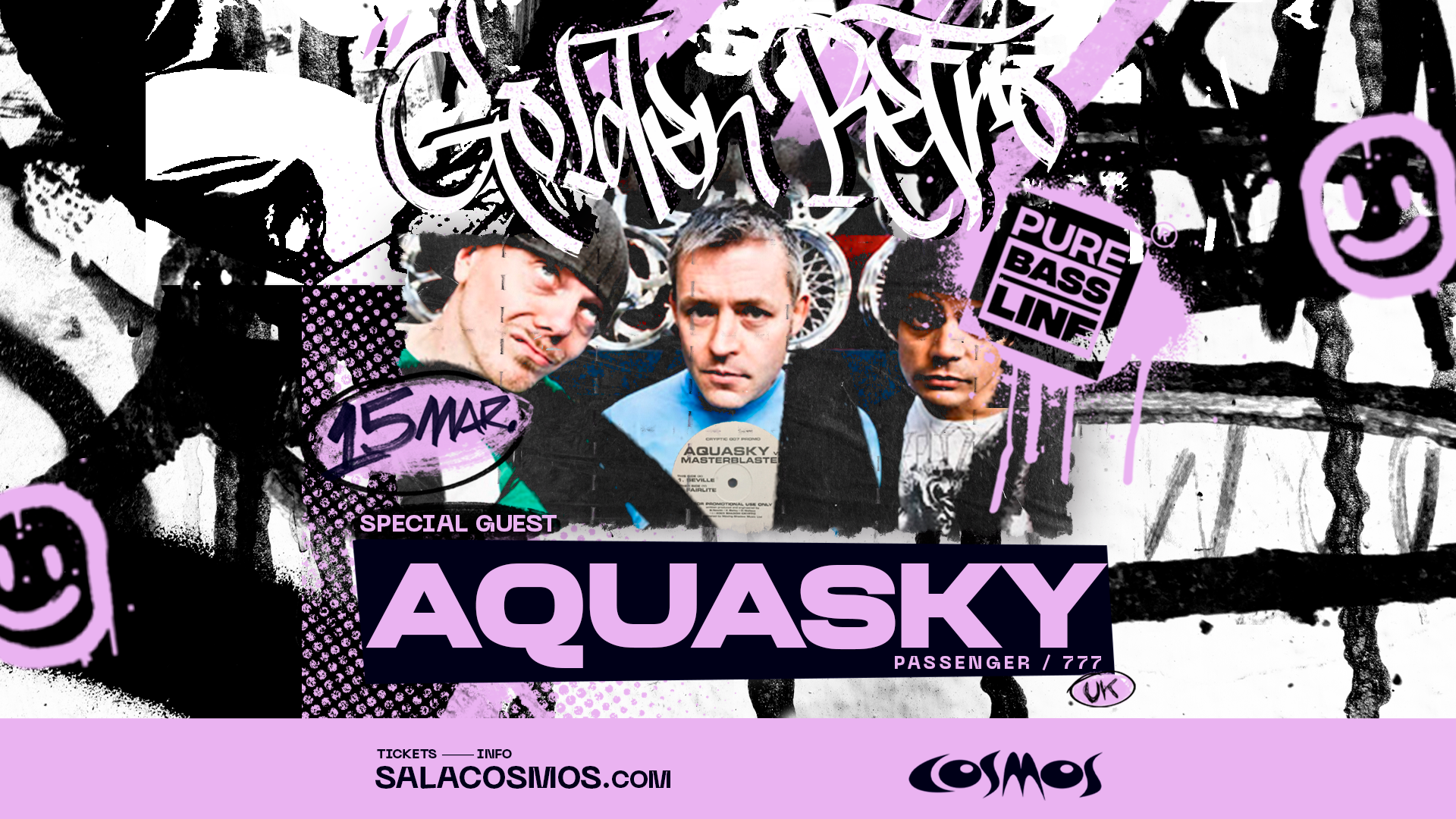
Master Blaster is the alias most closely associated with Steve Pycroft within the wider Aquasky orbit, and in practice it is best understood as part of the group's extended studio identity rather than as a fully separate act.
In discographies and DJ metadata, the credit often appears as Aquasky vs. Masterblaster or Aquasky & Masterblaster, reflecting a period when UK underground dance music regularly used secondary aliases to mark a tougher or more explicitly club-focused strand of a producer's output.
That distinction matters in the case of Aquasky. The core project had already built a reputation through drum & bass and jungle-adjacent work before moving decisively into the late-1990s and early-2000s breakbeat resurgence. The Masterblaster name sits inside that transition.
Rather than signalling a clean break from Aquasky's earlier sound, the alias pointed to a more direct dancefloor language: heavier low end, sharper break programming and a style aimed squarely at the peak-time breakbeat circuit that was expanding in the UK and beyond.
For catalogue purposes, Master Blaster should therefore be read as one of the names through which Aquasky organised and branded its bass-heavy breakbeat material. Listeners tracing nu skool breaks history will encounter it not as an isolated project but as part of a broader network of Aquasky releases, remixes and DJ-facing records.
The most visible use of the name came through the Aquasky vs. Masterblaster billing, which became attached to a run of releases during the period when the duo were especially active in breakbeat. Those records helped define how the project was perceived by club audiences: functional, hard-edged and engineered for impact without losing the rhythmic detail associated with Aquasky's production.
Albums such as Beat The System and Stayfresh are central to that phase. They are commonly cited in discographies under the combined credit and show how the Masterblaster tag operated less as a separate biography than as a framing device for a specific strain of Aquasky's output.
The available documentation also suggests that the Masterblaster name was eventually dropped, with subsequent material returning to the Aquasky name alone. That arc reinforces the idea that Masterblaster was a strategic alias within the Aquasky family rather than a long-term standalone identity.
Seen in scene context, the project belongs to the same continuum that linked late jungle and drum & bass craftsmanship to the more aggressive breakbeat sound that flourished in clubs, specialist press and DJ charts during the nu skool breaks era.
Its significance is therefore archival as much as biographical. Master Blaster marks a naming convention, a production angle and a moment in UK bass culture when artists often split their output across adjacent aliases to signal shifts in function, tempo or dancefloor intent.
For listeners, collectors and database work, the safest reading is the most useful one: Master Blaster Aquasky is not a detached artist story so much as a key branch of the Aquasky story, tied to the group's breakbeat-facing catalogue and to the harder edge of its early-2000s club identity.
That is why the name continues to surface in discographies, streaming metadata and second-hand record culture. It remains a practical marker for one of Aquasky's most recognisable breakbeat-era signatures: muscular low end, crisp rhythmic construction and a clear commitment to the floor.