LOADING BREAKS...

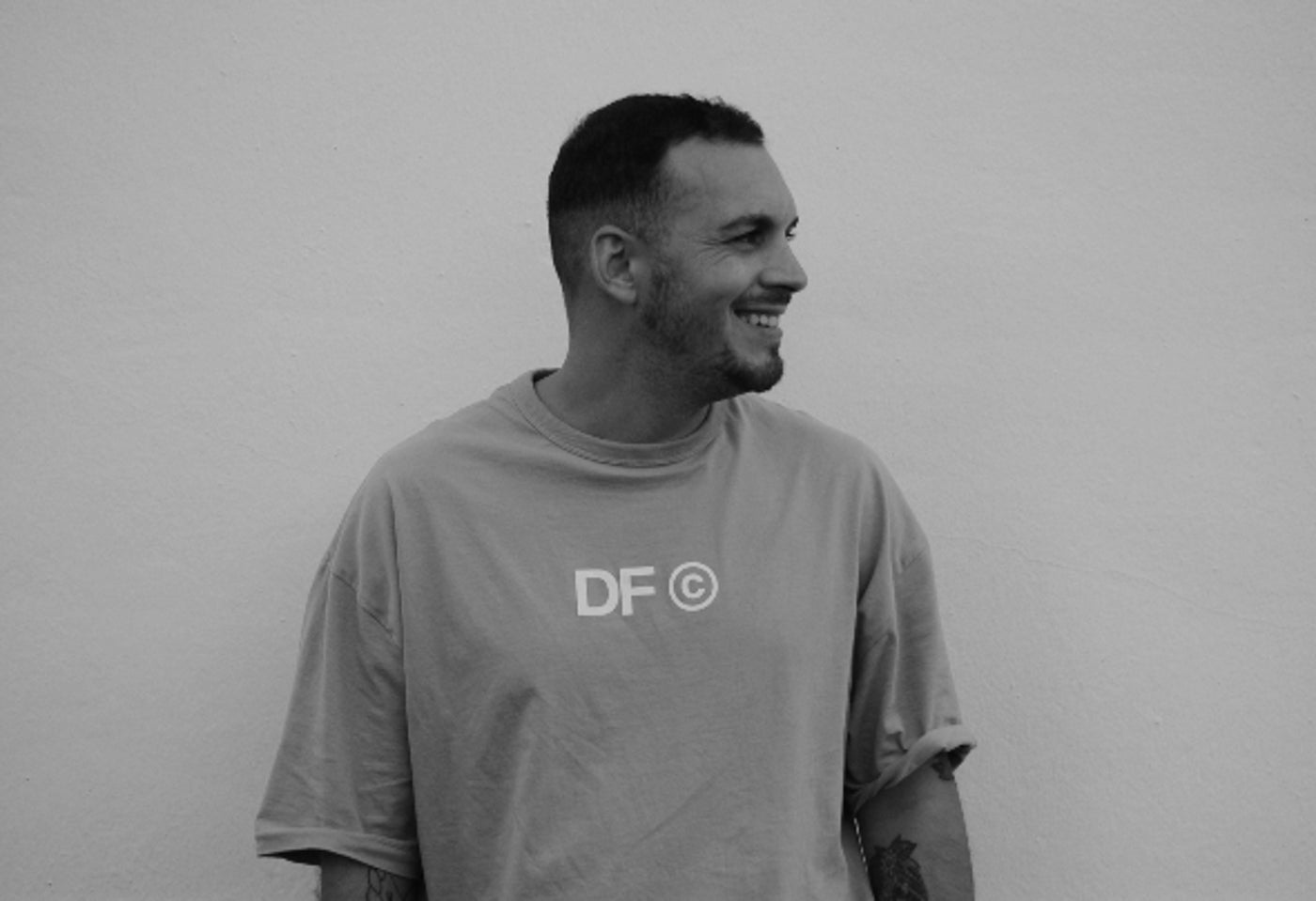
Dr Beats is a name associated with breakbeat culture in a broad, educational and scene-facing sense rather than through a clearly documented catalogue of club releases. The alias appears in connection with discussions around the history, structure and musical function of the breakbeat, placing it close to the analytical and archival side of the culture as much as to performance or production.
That positioning matters in a field where breakbeat has always been more than a single genre. From hip hop cut-ups and hardcore rave to jungle, big beat, nu skool breaks and bass music, the break has functioned as both rhythmic source material and a way of thinking about dance music. Dr Beats sits within that wider conversation.
The strongest public association around the name links it to work explaining how breakbeats travel across styles and decades. In that sense, the project belongs to a lineage of selectors, educators and scene advocates who treat the break not simply as a drum pattern but as a cultural thread connecting Black American sample history with UK rave mutations and later global club forms.
Rather than being defined by one canonical anthem, Dr Beats is better understood as a figure orbiting the discourse of breakbeat itself: how breaks are sampled, rearranged, accelerated, swung and repurposed across different scenes. That perspective places the project in dialogue with DJs, producers and researchers who have helped listeners hear continuities between old-school funk breaks and contemporary bass music.
Within breakbeat culture, that kind of role has real value. Scenes built on pirate radio, dubplate circulation, white labels, edits and hybrid club practice have often depended on people who can map connections as clearly as they can play records. Dr Beats belongs to that interpretive side of the continuum.
The name also resonates with a long tradition of artist identities built around rhythm science, crate knowledge and beat construction. In breakbeat and adjacent scenes, aliases of this kind often signal a practical relationship to the mechanics of drums, edits and sequencing rather than a conventional singer-songwriter profile.
Because of that, Dr Beats can be placed most comfortably in the contemporary orbit of breakbeat culture: a space where genre boundaries are porous and where the history of the break remains central to how DJs, producers and audiences understand bass-driven dance music.
The project’s significance is therefore contextual as much as discographic. It points back to the enduring importance of the breakbeat as a shared language between hip hop, rave, jungle and later electronic forms, and to the ongoing need for artists and communicators who keep that lineage audible.
In editorial terms, Dr Beats represents one of the many ways breakbeat culture continues to reproduce itself outside the narrow model of hit singles and headline billing. The name suggests participation in the scene’s educational, curatorial and rhythmic DNA.
That makes Dr Beats a useful entry in the wider map of breakbeat culture: not as a heavily canonised star, but as a contemporary node in the continuing story of how breaks are heard, explained and carried forward.