LOADING BREAKS...

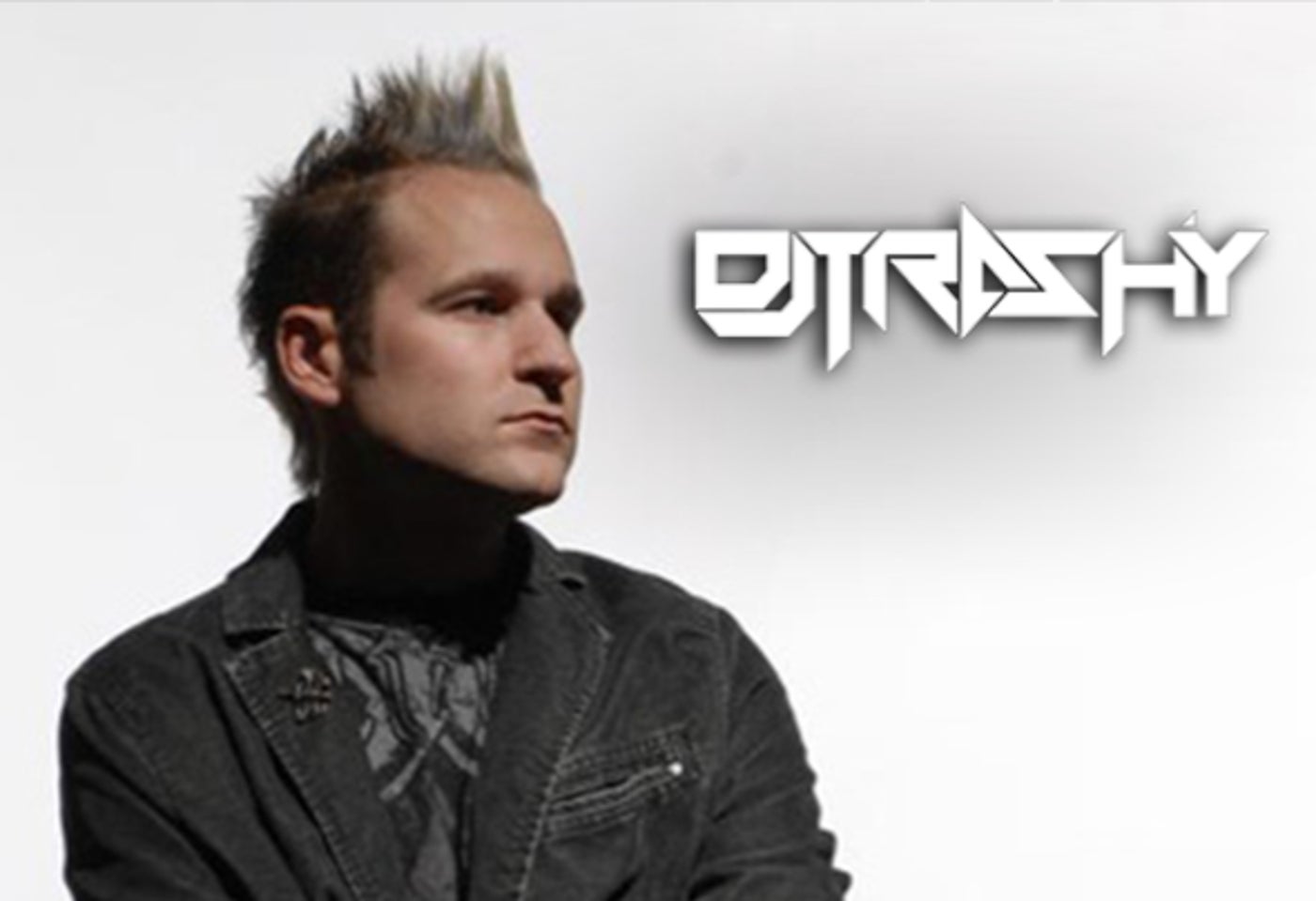
DJ Trashy is an American breakbeat producer and DJ associated with the long-running US club and breaks circuit. His name is most closely linked to the strain of high-energy breakbeat that remained active well beyond the genre's commercial peak, keeping one foot in rave functionality and the other in vocal, electro and bass-driven crossover territory.
Working under the name DJ Trashy, David Landry built a catalogue that reflects the durability of the North American breaks underground. His output sits in the lineage often described as Florida breaks and US breakbeat, where tough drum programming, bright synth hooks, vocal cuts and peak-time arrangements are central to the format.
His discography points to sustained activity across the 2000s and 2010s rather than a single short burst. That continuity matters in a scene where many artists were defined as much by DJ circulation, regional club play and specialist download culture as by mainstream visibility.
Tracks associated with his name show a preference for direct dancefloor impact: sharp edits, forceful low end and arrangements designed for club momentum. Titles such as "B.F.I." are remembered in breakbeat circles as part of that tougher, functional side of his sound.
Alongside individual tracks, DJ Trashy also released a series of larger-format projects. Albums and compilations circulating under his name include Dirty Dozen, Feel This and Amped, all tied to a productive period in the early 2010s.
That body of work suggests an artist comfortable moving between instrumental club tools and more vocal-led material. Later titles such as Collaboration II and Vocal Anthems, Vol. 2 point toward a catalogue that also embraces song-based structures and collaborative formats without leaving the breakbeat framework behind.
Live and DJ documents are also part of his public footprint. Releases and listings such as Duo Mix, Live in Vancouver and Live From Ampersand place him within the practical performance culture that has always sustained US breaks: clubs, regional events, guest appearances and recorded sessions passed between local scenes.
His profile fits a generation of American breakbeat artists who operated across multiple roles at once: DJ, producer, performer and independent operator. That self-directed model has long been central to the survival of the style in the United States, especially outside the structures of major-label dance music.
DJ Trashy is also associated with Sanitary Soundz Inc., reinforcing that independent, entrepreneurial side of his career. In the breakbeat world, that kind of infrastructure often matters as much as individual releases, helping artists maintain output, bookings and scene presence over time.
Musically, his work belongs to the more extrovert end of the spectrum rather than the genre's atmospheric or heavily experimental edges. The emphasis is on impact, movement and immediacy: music built for rooms, systems and DJs who want clear transitions and strong crowd response.
Within the broader history of American breakbeat, DJ Trashy represents the persistence of a regional sound that never fully disappeared. His catalogue maps a lane where breakbeat remained a living club language, adapting to changing production trends while preserving the punch and swagger that defined the style's US identity.
That makes his place in the culture less about a single canonical release than about continuity, utility and scene function. For listeners tracing the post-2000 life of US breaks, DJ Trashy stands as part of the network of artists who kept the sound active, playable and recognisable across changing eras.