LOADING BREAKS...
← Back to Artists

Big BeatBreakbeatElectronicaAcid HouseTechnoPsychedelic RockUK1990s-present
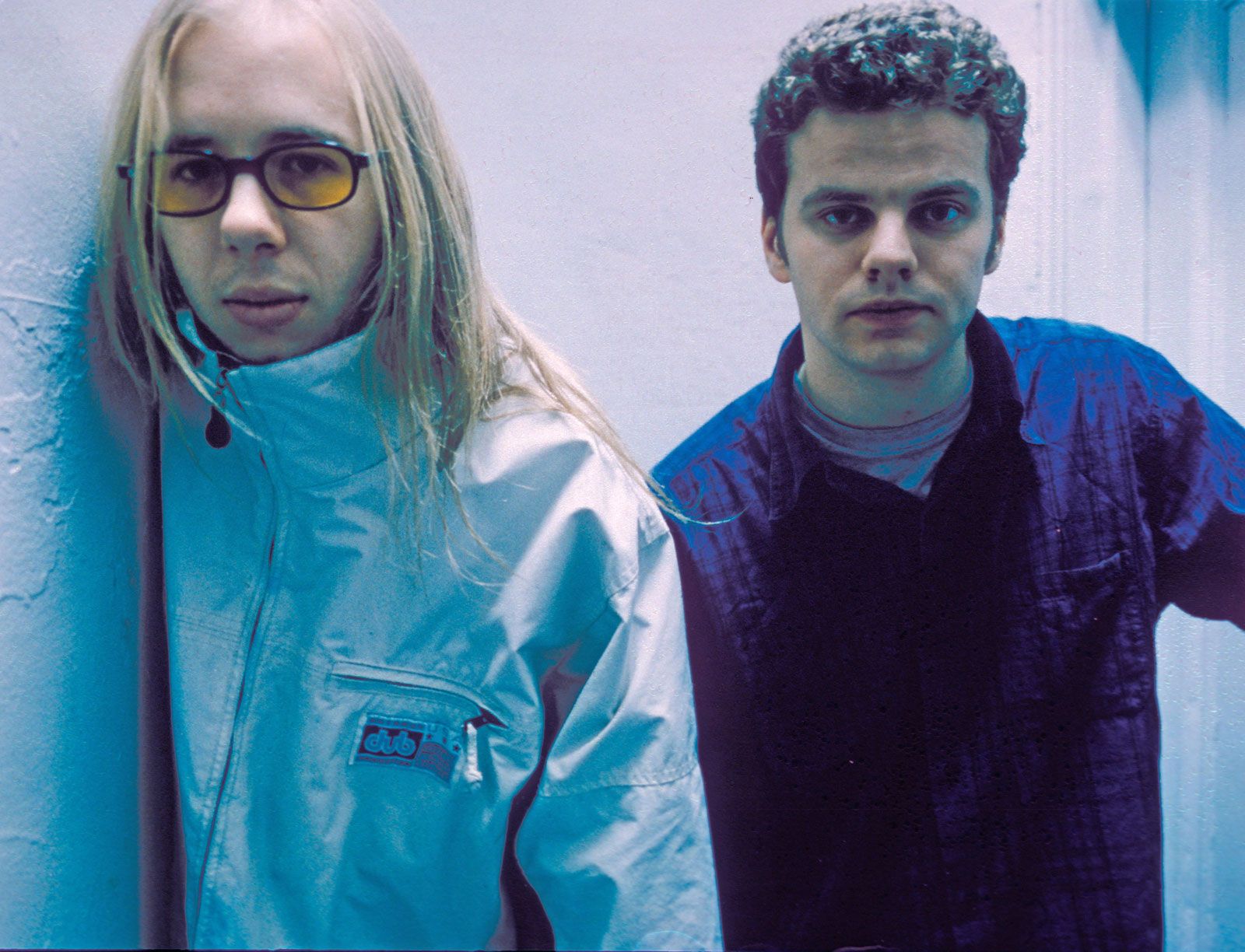
The Chemical Brothers are the English duo of Ed Simons and Tom Rowlands, one of the key acts in the 1990s reconfiguration of breakbeat into big beat and festival-scale electronic music. Emerging from the Manchester club environment, they helped connect acid house, hip-hop sampling, rock energy and DJ culture in a form that travelled far beyond specialist dance floors.
They first worked under the name The Dust Brothers in the early 1990s, a period when British club culture was still absorbing the aftershocks of rave while new hybrid forms were appearing around house, techno, hip-hop and indie. Their base in Manchester mattered: it placed them within a city where guitar music, warehouse culture and adventurous club programming could overlap naturally.
An important part of their early identity was as DJs. Their residency at the Heavenly Sunday Social in London became a crucial platform, allowing them to test a style that was heavier, loop-driven and more rock-facing than much of the house music circulating at the time. That club context is central to understanding their records: the tracks were built to hit hard in a room, but also to carry a strong sense of collage and momentum.
Early singles such as "Song to the Siren" and especially "Chemical Beats" established the duo's signature approach. The sound drew on breakbeats, distorted basslines, acid phrasing, cut-up vocals and a psychedelic sense of build, but it avoided sounding like a simple revival of earlier rave formulas. Instead, they helped define a new mainstream language for breakbeat-led dance music.
Their debut album Exit Planet Dust is widely regarded as one of the foundational statements of big beat. It captured the duo at the point where club functionality, headphone detail and rock-adjacent attitude came into balance. Tracks from that period circulated across clubs, radio and alternative music media, helping broaden the audience for breakbeat beyond strictly dance-specialist circles.
The move into the later 1990s brought a larger scale without abandoning their roots in DJ culture. Dig Your Own Hole pushed their sound into a more forceful and fully realised form, with tracks such as "Block Rockin' Beats" and "Setting Sun" becoming defining references of the era. The album showed how effectively they could translate sample science and rave pressure into records with crossover impact.
Around this period, the duo became central to a wider network that included acts such as The Prodigy, Fatboy Slim and Underworld, though their musical language remained distinct. Where some contemporaries leaned more directly into punk aggression or novelty, The Chemical Brothers often retained a deeper connection to psychedelic repetition, acid house architecture and the long-form logic of the DJ set.
Their work also stood out for its collaborations. Across different phases they worked with vocalists and musicians from outside the conventional dance-music frame, including Noel Gallagher, Bernard Sumner, Richard Ashcroft and Q-Tip. These collaborations were not incidental celebrity features so much as extensions of the duo's long-standing interest in crossing club music with rock, pop and hip-hop vocabularies.
Surrender and Come with Us confirmed that they were not a short-lived big beat phenomenon. Those records expanded the palette, bringing in more melodic writing, more overt song structures and a broader studio ambition while preserving the duo's taste for pressure, repetition and altered-state intensity. Even when the arrangements became more polished, the rhythmic engine remained rooted in breakbeat and rave logic.
In the 2000s and 2010s, albums such as Push the Button, Further, Born in the Echoes and No Geography showed a group continuing to refine its language rather than simply replaying a 1990s formula. At different moments they moved closer to electro, techno, synth-led psychedelia and vocal-led song forms, but the core identity remained recognisable: dense rhythm programming, dramatic builds and a strong sense of physical impact.
Their live shows became a major part of their cultural footprint. Rather than treating performance as a straightforward reproduction of studio tracks, they developed a large-scale audiovisual format that translated DJ dynamics, rave intensity and rock-show spectacle into a distinct concert language. That approach helped shape expectations for what an electronic act could do on major stages.
Within breakbeat history, The Chemical Brothers occupy a pivotal place. They were not the only architects of big beat, but they were among the artists who gave it durable form, international reach and album-scale depth. Their records helped legitimise breakbeat as both club music and popular listening music at a moment when electronic production was entering the cultural mainstream.
Their legacy also lies in how they connected scenes that were often treated separately: rave, indie, hip-hop sampling, psychedelic rock and festival electronics. For listeners coming from breakbeat culture, they remain a reference point for how raw rhythmic energy can be expanded into widescreen, emotionally charged and still DJ-conscious music.
Decades into their career, The Chemical Brothers continue to be cited as a touchstone for producers working across breaks, bass, techno and crossover electronica. Their catalogue documents not just a successful duo, but a broader shift in British dance music: from club subculture to a global language without fully losing the pressure and experimentation of its origins.
ESSENTIAL TRACKS
Chemical Beats
Leave Home
Block Rockin' Beats
Setting Sun
Hey Boy Hey Girl
Star Guitar
Galvanize
Go
KEY RELEASES
Exit Planet Dust (1995)
Debut album and a foundational big beat statement
Dig Your Own Hole (1997)
Breakthrough album featuring some of their defining tracks
Surrender (1999)
Expanded their sound with a broader song-based approach
Come with Us (2002)
Early-2000s album continuing their crossover electronic style
Push the Button (2005)
Included high-profile vocal collaborations
Further (2010)
More immersive and psychedelic in tone
Born in the Echoes (2015)
Later-period album balancing songs and club pressure
No Geography (2019)
A return to rave-rooted energy in a contemporary frame
LABELS FOUNDED
Freestyle Dust
RELATED ARTISTS


