LOADING BREAKS...
← Back to Artists
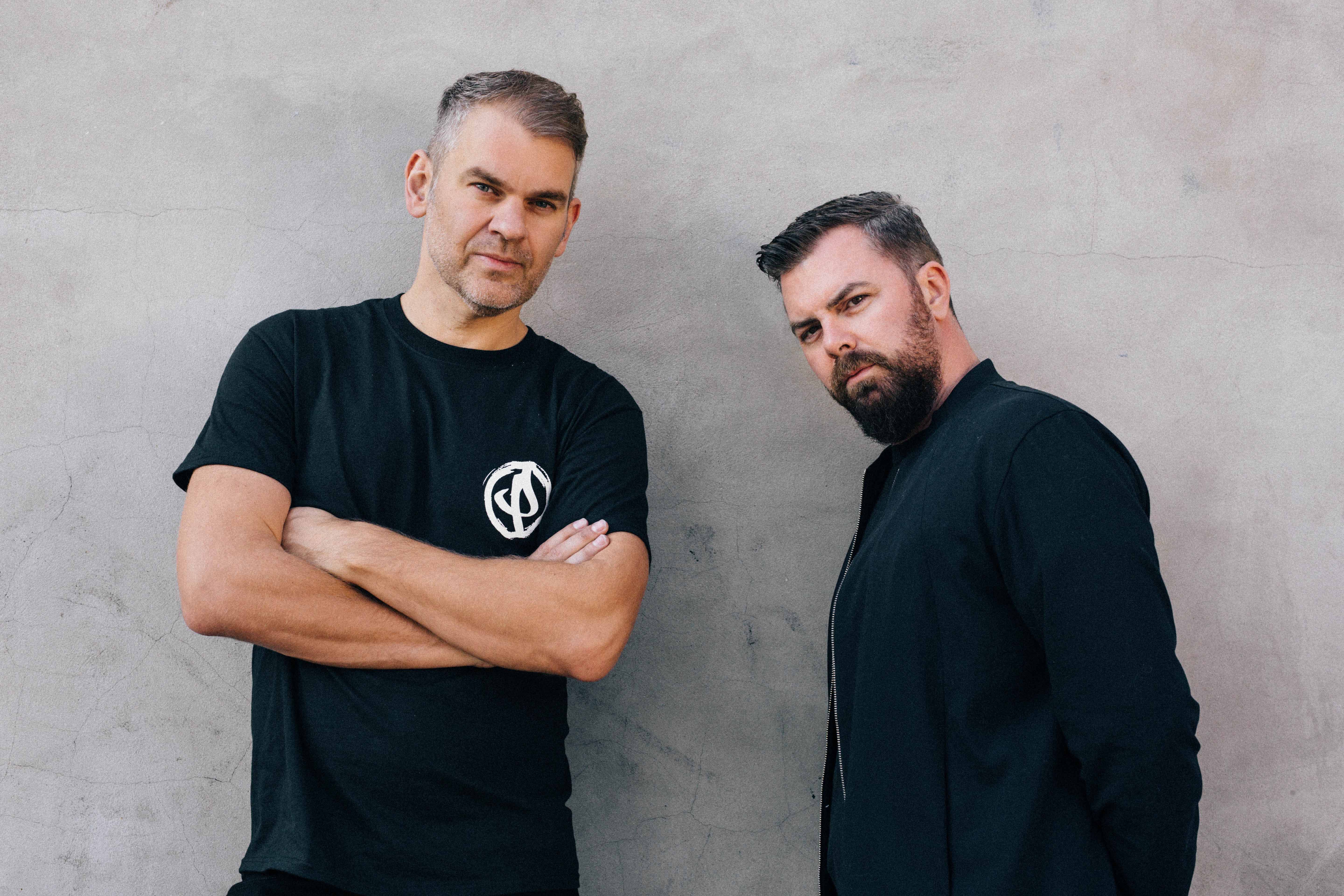

BreaksNu Skool BreaksBassElectroUK GarageUKlate-1990s-present
Stanton Warriors are a British DJ and production duo associated above all with the late-1990s and 2000s breakbeat revival. Built around Dominic Butler and Mark Yardley, the project became one of the most recognisable names in nu skool breaks while maintaining a strong connection to UK club culture's wider bass continuum.
Originally linked to England's West Country before becoming firmly embedded in the national and international club circuit, Stanton Warriors emerged at a moment when breakbeat was being retooled for bigger soundsystems and peak-time dance floors. Their work helped define a strain of tough, rolling, funk-loaded breaks that sat comfortably alongside electro, hip-hop pressure and UK bass mutations.
From the outset, the duo were known as much for DJ craft as for production. Their sets and mixes played a major role in shaping their reputation, presenting breakbeat not as a niche specialist form but as a flexible club language that could absorb house, garage, electro and low-end heavy party music without losing momentum.
In the early phase of their career they became closely associated with the nu skool breaks movement, a period when UK breakbeat was rebuilding itself after the first rave era and finding new audiences through clubs, compilations and specialist media. Stanton Warriors were among the acts who gave that movement a durable identity beyond a short-lived trend.
Their productions typically balanced crisp break programming with heavyweight basslines, vocal hooks and a strong sense of swing. That combination made them effective in both dedicated breaks environments and more mixed-format club settings, and it also explains why their records travelled well outside the strict boundaries of one scene.
A key part of their profile came through mix culture. Releases such as The Stanton Session became reference points for listeners who encountered the duo first as selectors, and their contribution to the BBC Radio 1 Essential Mix lineage further confirmed their standing within UK dance music's broader ecosystem.
As recording artists, they moved from singles and remixes into larger-format projects that reflected the scale of their club reputation. Lost Files is often cited as an important early album statement, while later records showed a willingness to fold in contemporary bass music currents without abandoning the breakbeat framework that made their name.
Please Don't Turn Me On became one of their best-known tracks and remains strongly associated with their crossover appeal. It captured the duo's ability to connect underground breakbeat energy with a more direct vocal and party-facing sensibility, helping their music circulate beyond specialist breaks audiences.
Across the 2000s and into the 2010s, Stanton Warriors remained active while many of their contemporaries from the first wave of nu skool breaks faded from view. Part of their longevity came from adaptability: they could update their sound in response to changing club conditions while preserving the rhythmic identity that listeners expected from them.
Their orbit has often overlapped with artists and scenes working across breakbeat, bass, garage and electro. That networked position matters to their historical role: they were not simply genre loyalists, but translators between adjacent dance-floor vocabularies during a period of rapid stylistic change in UK club music.
Internationally, the duo became regular names on festival and club lineups, particularly in territories where UK breaks developed a strong following. Their appeal abroad reflected the portability of their sound: hard enough for big rooms, funky enough for party crowds, and rooted enough in British dance music to retain a distinct identity.
Later projects, including Rise, showed that Stanton Warriors were still thinking in album terms rather than functioning only as legacy DJs. Even when the wider market shifted toward newer bass hybrids, they continued to present breakbeat as a living form rather than a revivalist exercise.
Within the history of modern breakbeat, Stanton Warriors occupy an important place as standard-bearers of the nu skool era and as durable ambassadors for the style in the decades that followed. Their legacy lies not only in individual tracks, but in the way they helped keep breakbeat visible, club-functional and internationally legible long after its commercial peak.
ESSENTIAL TRACKS
Please Don't Turn Me On
Dip and Get Low
Da Virus
Shoot Me Down
KEY RELEASES
The Stanton Session (2001)
DJ mix that became a key reference point for the duo's club sound
Lost Files (2006)
Debut artist album
Stanton Warriors Remixed (2011)
Remix-focused release surveying their catalogue
Rise (2018)
Later studio album reflecting their continued bass-driven approach
RELATED ARTISTS


