LOADING BREAKS...
← Back to Artists
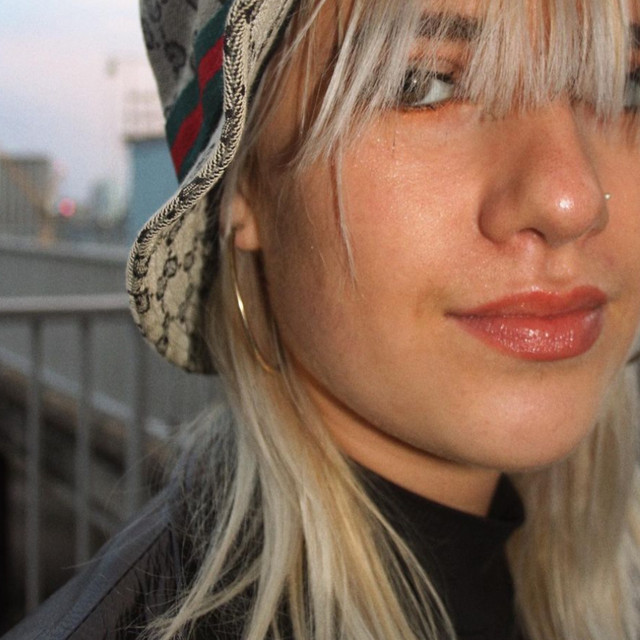

Drum & BassBassVocal D&BToplineContemporary R&BUK2020s-present
Olivia Rose is a Bristol-associated vocalist, songwriter and topliner whose work sits around contemporary drum & bass and adjacent bass music, while also drawing on R&B and pop songwriting. In the current UK landscape, she appears as part of a generation of singers moving fluidly between artist releases of their own and featured vocal work for producers.
The clearest thread in the available public information places her in Bristol, a city with a long and distinctive relationship to soundsystem culture, jungle, drum & bass and hybrid bass music. That local context matters: Bristol has consistently produced singers and writers able to bridge club functionality with melodic songwriting, and Olivia Rose fits that wider pattern.
Her profile suggests a dual identity. On one side, she is presented as a recording artist in her own right; on the other, she is described as a topliner working across other genres and producer-led records. That combination is now common in UK bass music, where vocalists often help define a track's emotional centre while also building a parallel solo catalogue.
The strongest evidence around her scene positioning comes from references to drum & bass and from credits linked to tracks such as "Backbone" and "U Notice Me". Without overstating individual release histories, those references indicate that her name has circulated in the orbit of vocal-led D&B and crossover bass records rather than in a purely singer-songwriter lane.
Stylistically, her work appears to balance clean, direct toplines with a contemporary R&B sensibility. That makes sense within a strand of modern drum & bass that values memorable hooks, intimate vocal tone and songs that can move between streaming culture and club use.
Bristol remains an important frame for understanding that approach. The city has long supported artists who move between underground dance music and more song-based forms, and Olivia Rose's public presentation suggests she belongs to that continuum rather than to a narrowly defined genre silo.
The available sources also imply that she has been active in a period when vocal D&B has expanded well beyond specialist circles. In that environment, singers can gain visibility through collaborations, digital platforms and producer networks as much as through traditional label narratives, and her profile seems consistent with that newer route.
At the same time, some web results around her name point to other artists in different territories and styles, so caution is necessary. The most defensible picture is of a UK, Bristol-linked vocalist and songwriter associated with drum & bass, toplining and crossover bass-pop writing, rather than a fully documented legacy act with a long, clearly mapped discography.
What stands out is her role within the collaborative economy of contemporary dance music. Vocalists like Olivia Rose often shape the identity of a record without always being foregrounded in scene histories, yet they are central to how modern D&B reaches wider audiences and develops emotional range.
As an artist in her own right, she appears to be building a catalogue that runs alongside those collaborations. The available evidence is not strong enough to map that catalogue in detail, but it does suggest an ongoing practice that includes solo releases as well as featured work.
In editorial terms, Olivia Rose is best understood as an emerging or current-era vocal presence connected to Bristol and to the melodic end of UK drum & bass. Her significance lies less in a fully canonised discography than in how she represents a contemporary mode of participation in bass culture: collaborative, song-focused and adaptable across formats.
If her trajectory continues, her place in the story of the scene will likely be tied to that intersection of toplining, artist development and the continued centrality of strong vocal writing in modern D&B.
ESSENTIAL TRACKS
Backbone
U Notice Me