LOADING BREAKS...
← Back to Artists

BreaksFlorida BreaksElectroBassTechno BreaksUSA1990s-present
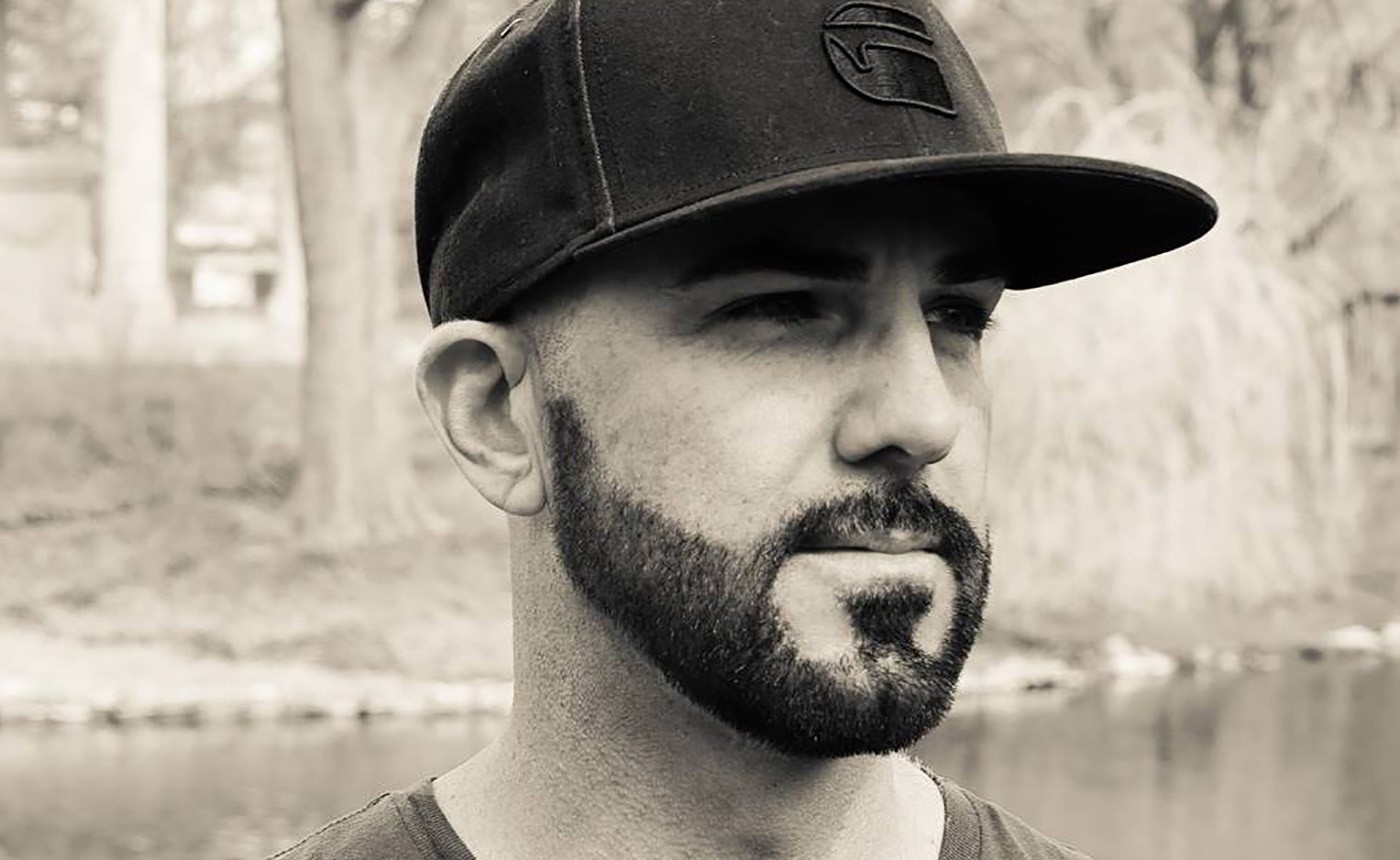
Keith MacKenzie is a US breakbeat DJ, producer and label figure most closely associated with the long-running American breaks circuit. Although often linked to Chicago in later years, his profile belongs to a wider national network that connected club culture, regional breakbeat scenes and independent labels during the late 1990s and 2000s.
He emerged in an era when US breakbeat had developed its own identity alongside UK hardcore continuums and electro-derived club music. In that context, MacKenzie became known for a sound that balanced dancefloor pressure with a clean, DJ-focused sense of arrangement, moving between tough breaks, bass-heavy grooves and flashes of electro and techno influence.
His name became especially visible through DJ culture as much as through individual productions. He was a regular presence in the breaks world as a touring selector and scene representative, helping sustain a strand of American breakbeat that remained club-functional while staying open to crossover with bass music and adjacent electronic styles.
A central part of his long-term contribution is Illeven:Eleven Recordings, the label and crew he is widely associated with as founder and driving force. Through that platform, MacKenzie helped create a durable home for breaks-oriented releases and for a broader community of producers and DJs working around the US scene.
That label activity matters because it places him not only as an artist but also as an organizer within the culture. In a field where many scenes depended on small independent infrastructures, Illeven:Eleven functioned as a point of continuity, connecting releases, events and a recognizable aesthetic around modern American breaks.
As a producer, MacKenzie is often associated with a direct and functional approach: crisp drum programming, low-end weight and arrangements built for impact in clubs rather than for excessive ornament. His records typically sit in the zone where breakbeat, electro pressure and bassline momentum meet, which helped them travel across different DJ contexts.
He is also known for collaborations within the wider breaks network. One of the most commonly cited associations is with DJ Deekline, reflecting the transatlantic dialogue between US breaks and UK bass-led club music that shaped parts of the 2000s and beyond.
Titles such as Booty Breaks helped keep his name in circulation among DJs and listeners who followed the more party-facing end of the breaks spectrum. At the same time, his catalogue extends beyond a single formula, with later releases showing an artist still active and continuing to issue new material.
Recent digital releases indicate that MacKenzie has remained productive well into the 2020s. That longevity is significant: many artists from the first major US breaks wave slowed down or disappeared from view, while he has continued to release music and maintain a visible identity tied to the culture.
His importance is best understood less through mainstream metrics than through scene durability. MacKenzie belongs to the group of American artists who helped keep breakbeat viable as a working club form after its commercial peaks had passed, sustaining audiences, labels and DJ networks over time.
Within the US context, he is frequently cited as a veteran rather than a crossover celebrity. That distinction suits his role: a dependable presence in the infrastructure of the scene, respected for consistency, label work and a practical understanding of what makes breakbeat function in clubs.
For Optimal Breaks, Keith MacKenzie stands as a key US breaks figure whose career links production, DJing and label-building. His catalogue, collaborations and stewardship of Illeven:Eleven Recordings place him among the artists who helped define and preserve the American breakbeat continuum across multiple decades.
ESSENTIAL TRACKS
Booty Breaks
Chicago Breaks
Pearl Bay
KEY RELEASES
Booty Breaks (2003)
Release associated with DJ Deekline
Pearl Bay (2023)
Later-period release
Chicago Breaks (2023)
EP
LABELS FOUNDED
Illeven:Eleven Recordings
RELATED ARTISTS

LINKS
soundcloud →