LOADING BREAKS...
← Back to Artists

BreaksFunky BreaksBassHip-HopFunkUSAearly-2000s-present
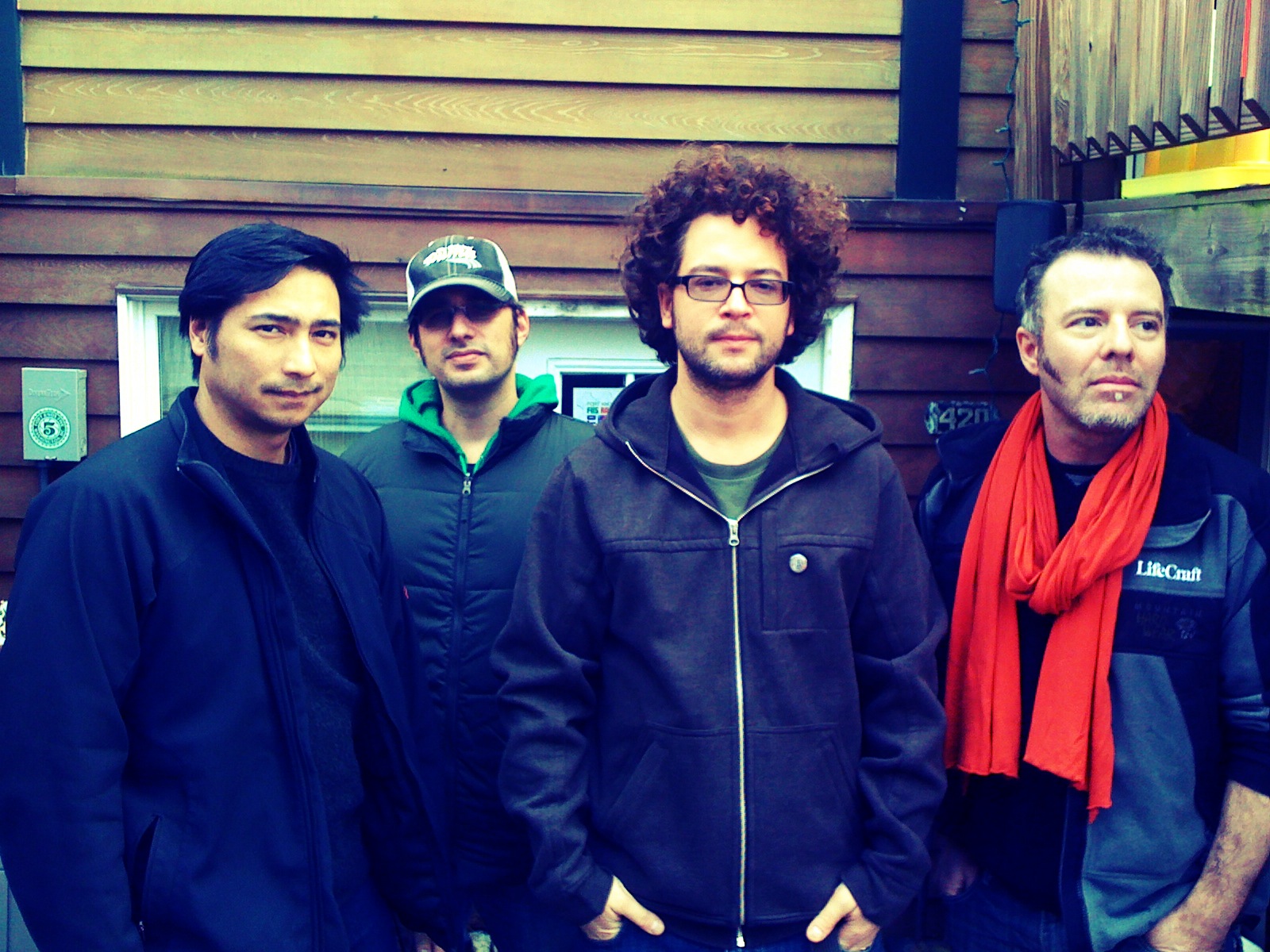
Fort Knox Five is a Washington, D.C. group associated with the US breaks scene and with a strain of party-focused funk, hip-hop and bass music that travelled well beyond specialist breakbeat circles. The project is generally identified with Steve Raskin, Rob Myers and Sid Barcelona, and became one of the most recognisable American names in funky breaks during the 2000s.
Their rise came from a distinctly DJ-minded approach to production: heavy drums, cut-up funk references, hip-hop energy and a clear sense of what worked on club systems. In a period when breakbeat culture was often discussed through UK and European scenes, Fort Knox Five helped give the US side of the sound a strong, exportable identity.
Washington, D.C. mattered to that story. The group emerged from a local environment where club culture, go-go, hip-hop, funk and eclectic DJ practice could coexist, and their records often carried that open, urban sensibility rather than a narrow genre purism. That helped make their music useful across breaks sets, funk rooms, downtempo compilations and broader party circuits.
Early releases such as Blowing Up the Barrio and The Big Score established the template: punchy breakbeats, brass and guitar hooks, sample-based funk architecture and a playful, cinematic sense of arrangement. Tracks from that period circulated widely with DJs and helped define the group's reputation for reliable dancefloor material.
The Brazilian Hipster became one of their best-known productions, emblematic of the way Fort Knox Five could turn crate-digger eclecticism into something direct and club-effective. Rather than treating funk, Latin colour, hip-hop edits and breakbeat pressure as separate languages, they folded them into a single, highly functional style.
Radio Free DC further tied the project to its home city while broadening its profile. The title itself signalled a local anchor, but the music spoke to an international network of DJs, compilations and club nights that were receptive to breaks with strong funk content and crossover appeal.
Alongside their own singles and EPs, Fort Knox Five built a substantial remix catalogue. That remix activity was central to their standing: they were not only artists with signature tracks, but also dependable reworkers whose sound could translate across funk, hip-hop, soul and electronic contexts.
The group is also closely linked to Fort Knox Recordings, the label platform that became an important outlet for their own work and for adjacent artists in the same orbit. Through that infrastructure they helped consolidate a recognisable DC-centred corner of the global breaks and funk scene.
Their work sat comfortably alongside artists and crews operating between breaks, nu-funk, party hip-hop and bass-heavy club music. In that sense, Fort Knox Five belonged to a wider network rather than an isolated niche, and their records often appeared in sets that moved freely between breakbeat, funk edits, midtempo burners and festival-ready party tracks.
As the 2000s moved on, they remained visible through compilations, remixes and retrospective releases, including 10 Years of Fort Knox Five. That kind of catalogue summary underlined how durable their material had been for DJs over a long stretch rather than for a brief trend cycle.
Pressurize the Cabin showed that the project could continue into a later phase without abandoning its core identity. Even as club music changed around them, Fort Knox Five remained associated with a robust, sample-savvy and crowd-conscious approach rooted in breaks but open to adjacent bass forms.
Their historical place is not simply that of a successful act with a few popular tracks. Fort Knox Five helped define a specifically American version of funky breaks in the 2000s: less austere than some breakbeat strains, deeply informed by funk and hip-hop, and built for DJs who valued energy, humour and immediate physical impact.
ESSENTIAL TRACKS
The Brazilian Hipster
Blowing Up the Barrio
The Big Score
Radio Free DC
The Spirit of '75'
KEY RELEASES
The Big Score (2003)
Early single/EP associated with their breakout period
Blowing Up the Barrio (2004)
Signature early release
The Brazilian Hipster (2004)
One of their best-known tracks
Radio Free DC (2005)
Release closely tied to their Washington, D.C. identity
The Spirit of '75 (2007)
Representative mid-period release
10 Years of Fort Knox Five (2013)
Retrospective compilation
Pressurize the Cabin (2015)
Later-period album
LABELS FOUNDED
Fort Knox Recordings
RELATED ARTISTS


LINKS
bandcamp →