LOADING BREAKS...
← Back to Artists
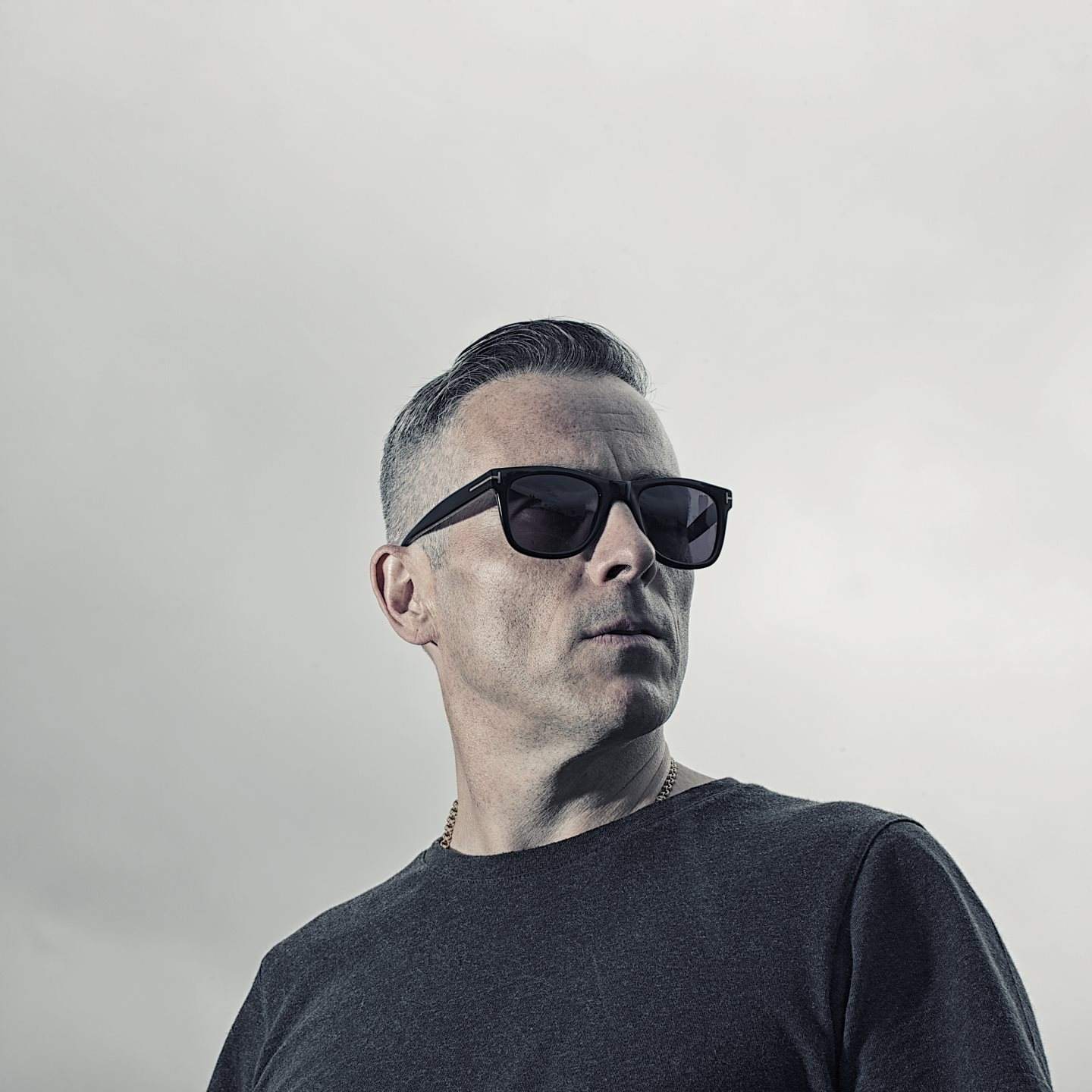

JungleDrum & BassBreakbeatBassHouseUK GarageUK1990s-present
DJ Zinc is a London producer and DJ whose catalogue maps several decisive turns in UK bass music, from mid-90s jungle through jump-up drum & bass, breakbeat mutations and later house-facing hybrids. He is one of those artists whose name carries weight across different generations because his work was never confined to a single formula for long.
He emerged from the fertile London pirate-radio and rave continuum that fed jungle's first major wave. That context matters: Zinc's records were built for dubplate culture, for DJs testing pressure in clubs and on radio, and for a scene where rhythmic invention and low-end impact counted more than genre orthodoxy.
His earliest production work is often linked to the Swift and Zinc series, a formative period that placed him in the orbit of the rough-edged, break-led jungle sound developing in the mid 1990s. Those records already suggested a producer with a strong feel for swing, sample tension and dancefloor function.
Zinc's breakthrough came with "Super Sharp Shooter", the 1995 track that became one of jungle's most recognisable crossover moments. Built around a hip-hop vocal sample and a stripped but devastating rhythmic framework, it travelled far beyond specialist circles while still sounding rooted in pirate-era London. It remains one of the defining records of the period.
From there he became closely associated with the jump-up end of drum & bass, helping shape a tougher, more direct club language without losing the craft of his jungle foundations. His productions balanced impact with detail: clipped funk, heavy bass design, memorable hooks and a sense of momentum that made them staples in DJ sets.
He was also strongly connected to Ganja Records, the label founded by DJ Hype, a key platform in the development of late-90s jump-up. In that environment Zinc's work sat alongside a wider network of producers pushing drum & bass toward a more stripped, high-energy dancefloor form.
Among his most cited productions from this era is "138 Trek", a track that became a landmark in the conversation between breakbeat, speed garage and UK bass music more broadly. Its elastic groove and bass pressure gave it a life well beyond a single scene, and it is still regularly cited as a reference point in late-90s British club music.
Unlike producers who remained tied to one tempo, Zinc repeatedly shifted direction. In the 2000s he explored breakbeat and bassline-driven hybrids with the same instinct for club utility that had defined his jungle work. That flexibility helped him stay relevant as UK dance music splintered into new micro-scenes.
A major later chapter came with his Crack House material, a loose but influential tag attached to a run of tracks and EPs that fused house structures with bass-heavy, UK-rooted rhythmic ideas. The term captured Zinc's refusal to treat genre borders as fixed and pointed to his role in opening pathways between established drum & bass audiences and newer house and bass crowds.
Releases such as Beats by Design EP, Faster and the Crack House series are often used to trace that evolution. Rather than reading as abrupt reinventions, they show a producer carrying core instincts from jungle into new frameworks: swing, pressure, economy and a preference for tracks that work immediately in the mix.
As a DJ, Zinc has long been valued not just for historical status but for selection and adaptability. His sets have moved across drum & bass, breaks, bass and house-adjacent territory, reflecting the same broad but coherent musical logic found in his productions.
His influence can be heard in several strands of UK club music: in jump-up's directness, in bass music's taste for hybrid rhythmic design, and in the wider idea that a producer from the jungle tradition could move between scenes without losing identity. That cross-scene credibility is central to his place in British dance music history.
For Optimal Breaks, Zinc stands as a key figure in the continuum linking jungle, breakbeat science and later bass mutations. He is not simply remembered for one anthem, but for a body of work that helped define how UK underground dance music could evolve while staying rooted in sound-system pressure and DJ culture.
ESSENTIAL TRACKS
Super Sharp Shooter
138 Trek
Faster
Wile Out
Ready or Not
KEY RELEASES
Super Sharp Shooter (1995)
Breakthrough jungle single
138 Trek (1999)
Widely cited UK bass crossover track
Beats by Design EP (2000)
Faster (2003)
Crack House EP (2009)
Key release in his house-bass hybrid phase
Crack House Vol. 2 EP (2010)
Sprung EP (2011)
LABELS FOUNDED
Bingo Beats
RELATED ARTISTS
DJ Hype
Pascal
Roni Size
Shy FX
Benny Page