LOADING BREAKS...
← Back to Artists
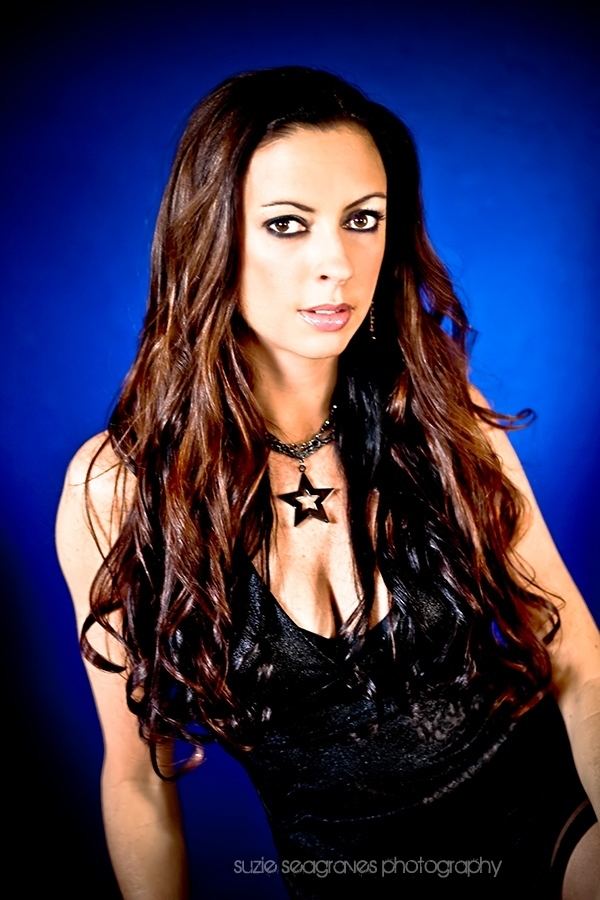

Florida BreaksBreaksBassElectroMiami BassUSAlate-1990s-present
DJ Baby Anne is an American DJ and producer closely associated with the Florida breaks continuum and the wider US bass scene. Emerging at a moment when regional breakbeat cultures in Florida were developing a distinct identity, she became one of the most visible female figures in that circuit and a recognisable name well beyond it.
She is generally linked to Orlando, a city that played an important role in the growth of Florida’s breakbeat and bass infrastructure through clubs, local promoters and a strong mixtape economy. In that environment, Baby Anne built a reputation as a high-energy selector with a style rooted in heavy low end, rapid transitions and a direct connection to dancefloor culture.
Her rise belongs to the late 1990s, when American breaks were consolidating as a club language separate from UK hardcore and jungle traditions while still sharing a commitment to breakbeat pressure and soundsystem impact. Baby Anne’s profile grew through live appearances and commercially released DJ mixes, which helped carry the Florida sound into a broader national market.
The title most closely attached to her public image is Bass Queen, a tag that reflected both her emphasis on sub-heavy programming and her position in a scene still heavily dominated by men. Rather than functioning as simple branding, that identity became part of how she was received within US rave and breakbeat culture at the turn of the millennium.
Among her best-known releases are the Bass Queen: In the Mix volumes, which remain central to her discography and to her reputation as a mixer. Those records captured the accessible but hard-hitting side of the American breaks boom, presenting a style designed for clubs, cars and rave afterhours as much as for home listening.
Dark Side of the Boom is another key title from her early-2000s period. It is often cited as part of the phase in which her name was firmly established within the national breaks circuit, alongside a run of mix CDs and artist releases that circulated through specialist retail, rave vendors and DJ networks.
As a producer, Baby Anne has been associated with the tougher, bass-forward end of the Florida spectrum rather than a more polished crossover approach. Her work is commonly placed near the intersection of breakbeat, electro-inflected programming and Miami bass lineage, even when the exact balance shifts from release to release.
She is also part of a generation of US artists who helped define what many listeners came to understand as Florida breaks: rolling drum edits, forceful drops, vocal hooks used for impact, and a strong emphasis on momentum. In that sense, her importance is not only tied to individual tracks but to a broader performance language shared across the scene.
Within American breakbeat history, Baby Anne is frequently mentioned alongside other major Florida and US breaks names who shaped the late-1990s and 2000s circuit. Her visibility mattered culturally as well as musically, since she occupied headline space in a field where women were comparatively underrepresented.
Later releases such as Mixtress, Probe and I Wanna Rock show that her activity continued beyond the first commercial peak of US breaks. Even as the market changed, she remained associated with the durable club-facing side of the style rather than a complete departure into unrelated genres.
Her career also reflects the importance of the DJ mix album in American rave culture before streaming. For many listeners, those CDs were not secondary documents but primary entry points into the sound, and Baby Anne’s catalog benefited from that format at a time when mix compilations could define an artist’s public identity.
In retrospective terms, DJ Baby Anne holds a clear place in the story of US breakbeat. She stands as one of the most recognisable names to emerge from the Florida breaks ecosystem, and as a DJ whose bass-driven approach helped carry that regional sound into wider circulation.
ESSENTIAL TRACKS
Dark Side of the Boom
I Wanna Rock
Shine
Disturbing the Beats
KEY RELEASES
Bass Queen: In the Mix, Volume 1 (1999)
Commercial DJ mix album closely associated with her rise in the US breaks scene
Bass Queen: In the Mix, Volume 2 (2000)
Follow-up mix album in the Bass Queen series
Dark Side of the Boom (2001)
Key early-2000s release
Mixtress (2004)
Artist release from her mid-2000s period
Probe (2006)
EP
I Wanna Rock (2006)
Single
Disturbing the Beats (2014)
Later-period single
Shine (2016)
Single featuring Nikki Carabello and D-Bo
RELATED ARTISTS


