LOADING BREAKS...
← Back to Artists

FunkSoulPsychedelic RockSoul JazzLibrary FunkUSA1960s-present
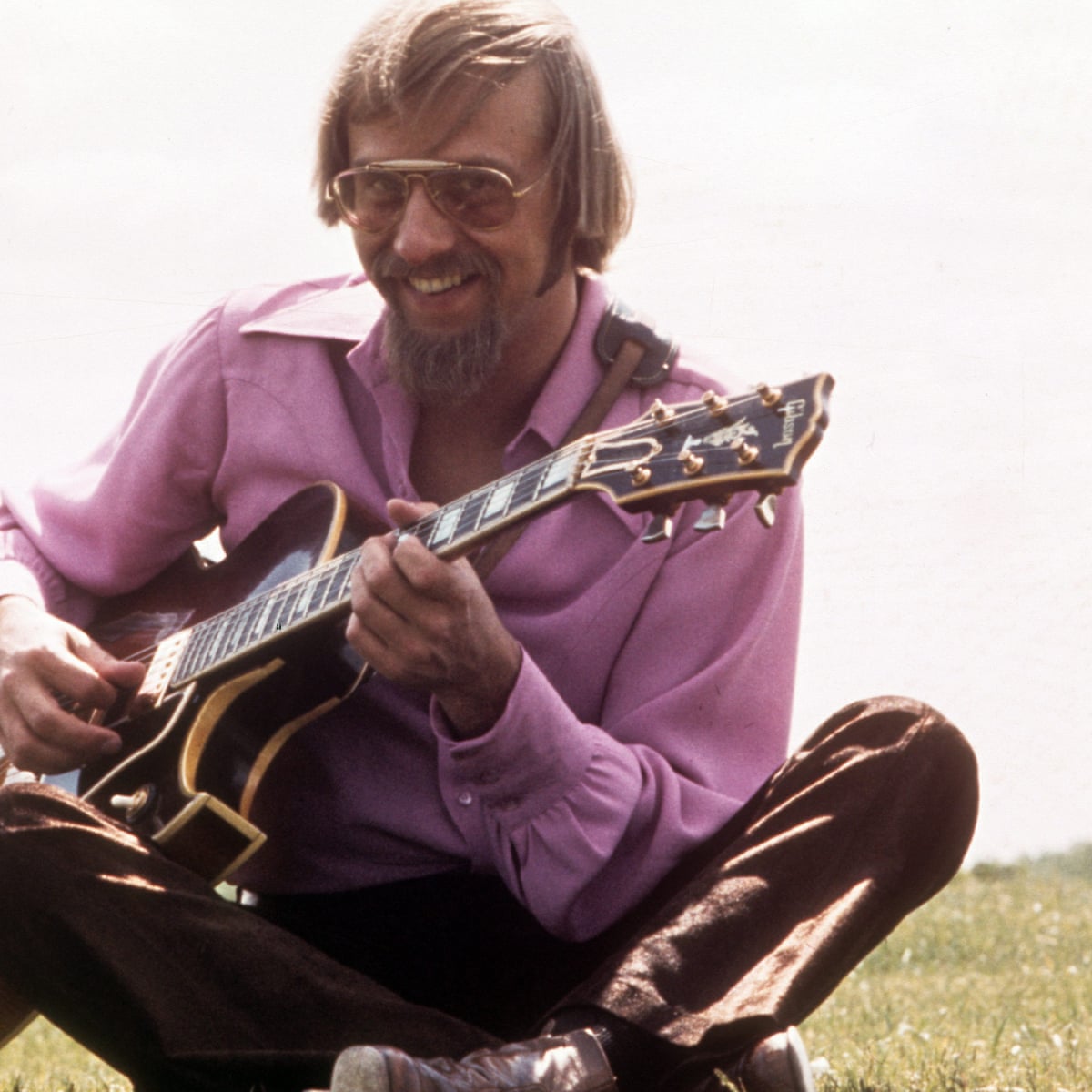
Dennis Coffey is an American guitarist, arranger and recording artist whose name is closely tied to the sound of Detroit soul and funk. Although he is not a breakbeat artist in the strict sense, his work became deeply important to sample-based music through the drum breaks, guitar lines and cinematic grooves that later circulated through hip-hop, breaks and broader DJ culture.
Born in Detroit, Coffey emerged from a local musical environment where jazz technique, R&B professionalism and studio discipline often overlapped. That setting proved decisive: Detroit in the 1960s was not only a city of bands and clubs, but also a recording ecosystem in which versatile musicians could move between pop, soul, funk and instrumental sessions with unusual fluency.
He first built his reputation as a working guitarist rather than as a front-facing solo star. In that role he became part of the extended circle of Detroit session players who helped define the muscular, rhythmically sharp and often adventurous sound associated with the city’s soul productions.
Coffey is especially associated with the orbit of Motown and with producer Norman Whitfield, whose increasingly psychedelic and rhythm-driven productions opened space for more aggressive guitar textures. Coffey’s playing helped bring a harder-edged, wah-inflected and rock-aware dimension into records that still remained rooted in soul and funk.
That contribution can be heard across a wide range of recordings from the late 1960s and early 1970s, including work connected to the Temptations and other major Detroit soul acts. His guitar style was never just decorative: it often functioned as a structural element, pushing arrangements toward tension, propulsion and a more expansive studio language.
Alongside his session work, Coffey also developed a solo catalogue that translated those same strengths into instrumental records. His releases under his own name placed rhythm, groove and guitar tone at the centre, often balancing funk drive with a slightly psychedelic, soundtrack-like atmosphere.
The best-known title in that solo run is "Scorpio," the 1971 instrumental that became his signature hit. Its clipped rhythm, stabbing guitar figures and memorable break made it one of the most durable entries in the funk-instrumental canon, and later one of the most recognisable source points for DJs, beatmakers and collectors.
Albums such as Hair and Thangs and Evolution extended that approach, presenting Coffey not simply as a sideman stepping out front, but as an artist with a coherent instrumental vision. Those records sit at an intersection of funk, soul jazz, rock phrasing and studio experimentation that would later appeal strongly to crate-diggers.
For breakbeat culture, Coffey’s importance lies less in scene participation than in afterlife. His recordings became part of the raw material from which later generations built loops, edits and sample-based tracks. In that sense, his catalogue belongs to the deeper prehistory of breaks: music made for another era, then reactivated on turntables, samplers and dancefloors.
His work also illustrates how Detroit musicians helped shape a broader Black American rhythmic vocabulary that travelled far beyond its original commercial context. What began as session craft and funk instrumentation became, over time, part of the shared language of hip-hop production, rare-groove collecting and break-led DJ practice.
Coffey has remained an admired figure among musicians, soul historians and record collectors, with later reissues and renewed attention helping to frame his catalogue in a wider historical perspective. That renewed interest has often focused not only on his solo records but also on his role in the studio system that produced some of Detroit’s most forward-looking soul.
Within an Optimal Breaks context, Dennis Coffey is best understood as a foundational source figure rather than a direct scene participant. His guitar work, arrangements and especially the enduring life of "Scorpio" place him in the lineage of artists whose recordings helped furnish the rhythmic DNA later mined by breakbeat culture.
ESSENTIAL TRACKS
Scorpio
Theme from Black Belt Jones
Son of Scorpio
Taurus
Getting It On
KEY RELEASES
Hair and Thangs (1969)
Early solo album, originally credited to the Dennis Coffey Trio
Evolution (1971)
Includes the instrumental hit "Scorpio"
Goin' for Myself (1972)
Further developed his funk-led solo sound
Electric Coffey (1974)
Mid-1970s solo set
RELATED ARTISTS
Norman Whitfield
The Temptations
Funk Brothers
Edwin Starr